NOTICE: Certain links on this post may earn a commission for Western Hunter Magazine from Amazon or our other affiliate partners when you make a purchase. Thank you for your support.
No More Compromise: Building the Verse Broadhead
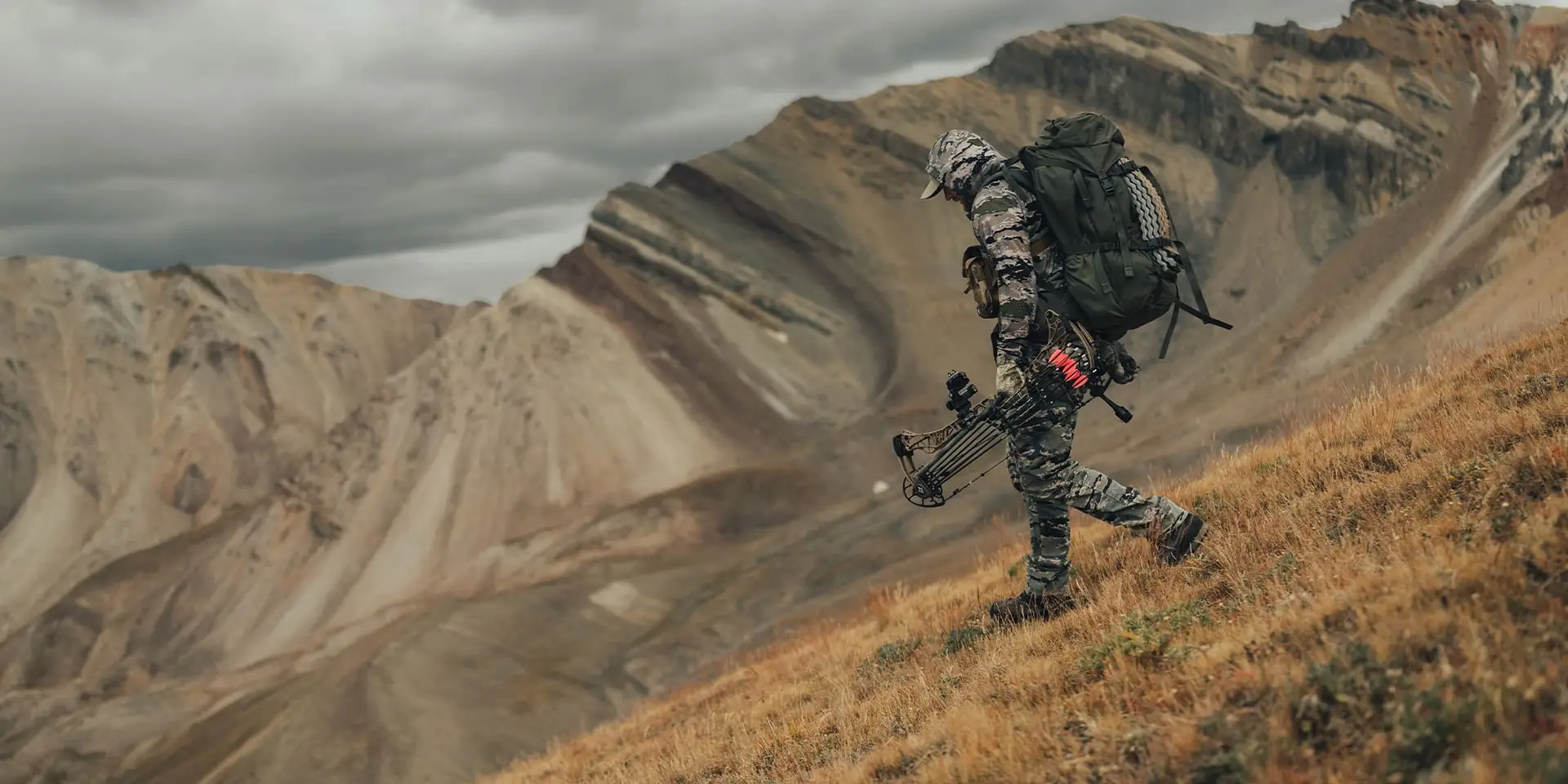
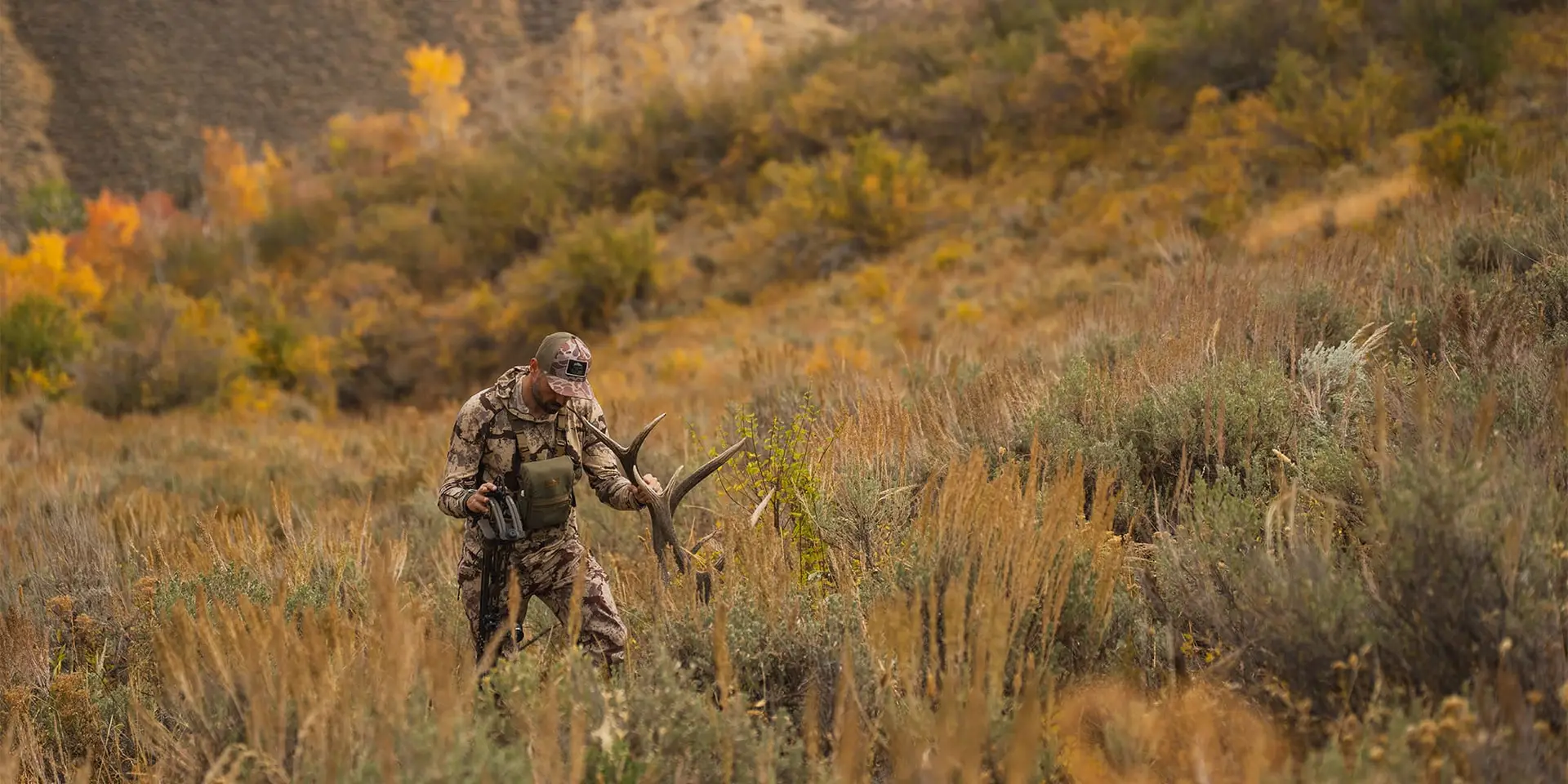
Growing up, hunting gear was not really catered toward me. Camouflage was either old military fatigues or Realtree patterns that looked nothing like the trees out west. Gear was made for sitting, not hiking; binoculars were on straps that were not comfortable, and packs used large metal frames made for backpackers. Western big-game hunting was not yet a market, and the gear reflected that. It was not until I was out of high school that it started to change. Brands started creating purpose-built hunting gear, packs for carrying out heavy loads comfortably, and clothing made for moving, with camo patterns matching the high desert and alpine.
Even when I started filming solo hunter in 2010, time and time again, we were told western big game hunting is not a market. "Whitetails are king." Yet we kept going and kept seeing a shift in mindset, a shift in gear progression, and a shift in both entertainment and information. That shift gave those of us who love to chase animals across a large expanse of public land access to gear that matched the pursuit.
The pendulum quickly started swinging the other way, toward the building of companies and gear for western hunting. Some great stuff has been made over the years in nearly every category of gear, in my opinion… except one. Every time I put a mechanical broadhead on my arrow, I question it; I think differently about shot placement and the what-ifs of hitting bone on a large animal like an elk.
In the back of my mind, I know none of the options I tried were designed for what I do. They were just marketed to work for the task but not actually made for it. It seemed to be an “it will get by” mentality. It's the same way I felt wearing my Realtree cotton pants, soaking wet and sweating up the mountain on a backpack hunt with a loud, bright blue Kelty backpacker’s frame pack. It was clearly not made for this.
One of my favorite parts of what I do is to be a part of the development process of new gear, get to field test the new best thing, or maybe help provide a missing piece to the search for the perfect gear. I have had the privilege to work with many companies over the years doing just that. Now, as the owner of Day Six Archery, I get to continue to be a part of that process. As a company, we wanted to tackle a piece of gear we all thought was lacking when it came to western big game hunting: the mechanical broadhead. Armed with an incredible base of knowledge from Bryan, our founder, and Daykota, our resident engineer/elk killer, Day Six set out to tackle the challenge.

The Bull and the Broadhead
After a long week of elk hunting filled with "close but not close enough," I put the hunt into overtime. Honestly, I should have been on the road already. I had a 16-hour drive and was supposed to be picking my wife and kids up at the airport the next day. I just had to give it one last morning. Knowing a hard cutoff was coming, I was most certainly going to be driving through the night.
As I stopped at my last glassing spot of the trip, I spotted a bull bedded under a cluster of trees I knew well. I had stalked a great bull in the very same trees the year prior. It was going to be a push, but I knew I could make it happen if the bull stayed there. I hiked as fast as possible to the ridge above the bull where I dropped my pack and boots. I decided to go the rest of the way in socks. It was dry and still; there was no room for error.
I crawled within 40 yards of the bull, arrow nocked and tipped with a prototype hybrid mechanical broadhead that was designed for exactly this… elk. I was close, but there was no shot. I pushed the stalk as much as I could, but I was out of cover, out of time, and had no shot. My only option was to wait and hope this bull would stand.
As the minutes ticked away, I knew that I was cutting it close on time. I shifted my knees slightly just as the bull stood and started to walk away. Already at full draw, I called and stopped the bull. I tucked the pin tight behind the shoulder, where I would aim with any fixed-blade broadhead on an elk, and released the arrow. The fletching vanished as the bull ran a mere 30 yards before falling over dead in the time it took him to cover that distance.
When it comes to bowhunting, I think a lot of people would put me in the fixed-blade over mechanical broadhead team, and rightfully so. I talk about the benefits of a fixed-blade head all the time. I really like them for their utility and simplicity. However, I have used plenty of mechanicals on various hunts, and it isn’t that they don’t have their place; it is just that I constantly feel like they were designed for a type of hunting I don’t do a lot of: sitting in a stand, chasing whitetails. Not running through the mountains chasing elk and mule deer.
As I walked up to this bull, I had to smile because in the back of my mind the thought entered my head: the game had changed. I finally pursued an elk with a mechanical broadhead that was built with that intention.

Building the Verse
To build a better mousetrap, you can’t just try to build off the status quo. You must start from the ground up with a new objective. The problem with mechanical broadheads and western big game is a lack of durability and penetration. They are not made for large animals like elk; they are not made for hitting thick bones; they are not made to penetrate. So, our team set out to fix that.
The desire to have a better mechanical broadhead was built around the frustration that nothing out there was truly made for those that regularly hunt the West, hunt spot and stalk, hunt big mountains. In my own personal testing, I hunted with nearly every mechanical on the market, and through that, I ran into a lot of problems.
Most would pre-deploy while crawling or stalking because they were designed to be hanging in a tree in a stand right next to the hunter. The ones that did stay closed well did not get great penetration, especially on larger animals or a harder quartered shot. The real kicker: if any bone was hit, especially a part of the shoulder, forget about it; the arrow either stopped or the broadhead broke.
Through my testing, I also had one heartbreaker where the deployment of the blades pitchforked on a great mule deer buck only about five yards away, causing the arrow to not penetrate at all. In all honesty, a field tip probably would have killed that buck.
While I will admit plenty of animals have been taken, including elk, with current mechanical broadheads on the market, none of them were really designed for that kind of work, and if something goes slightly awry, like an animal jumping, a shoulder moving back, or a quick turn, a sure shot can quickly turn into a long tracking job or an animal that gets away because the margin for performance is razor thin when using something at its maximum limits.
There are many benefits to having a fixed-blade broadhead when it comes to hunting performance and penetration on large animals. So, what if we took what makes a fixed blade so efficient and morphed that into the benefits of a mechanical: great flight and larger cutting diameter. This is when the hybrid enters the picture; combining the best of each to create one that has both properties and does them well.
Building Better- Step 1: Durability and Quality
My biggest complaint with many mechanicals is durability; the one-and-done usage of something that may or may not make it out of the shot intact. This was the building block for the Day Six Verse.
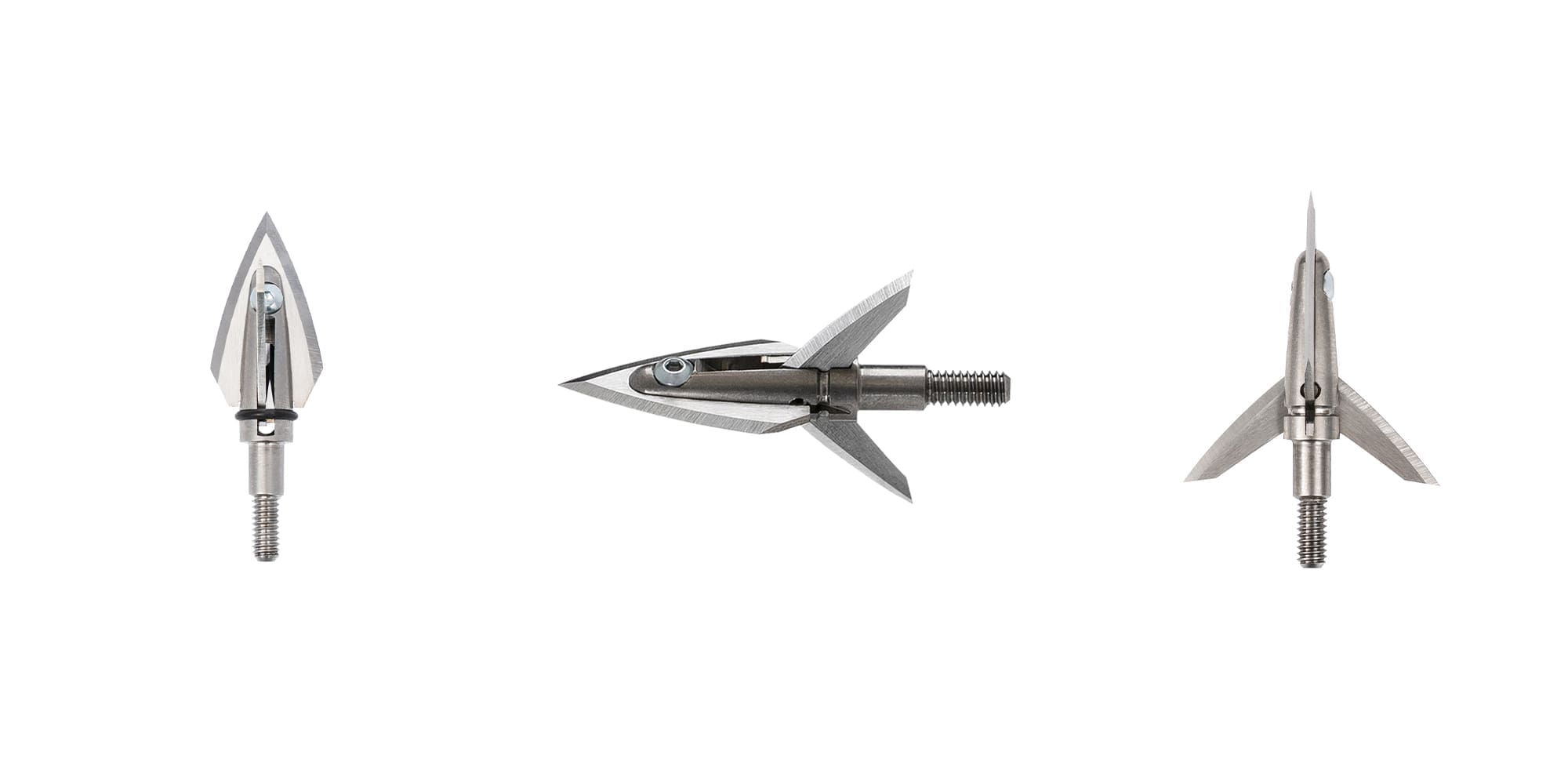
To build the most durable and highest-quality mechanical, we started by choosing the best materials. We opted to make the blades out of MagnaCut steel. This is actually the first mechanical broadhead ever marketed with MagnaCut steel blades. MagnaCut was specifically designed to solve a long-standing problem: You usually have to choose between edge retention, toughness, or corrosion resistance… never getting all three. MagnaCut entered the picture and balanced all three at a high level.
If you are not familiar with MagnaCut, it is what many of the top-end knife manufacturers are using for blades. MagnaCut maintains a razor-sharp edge through hide, bone, and tissue while resisting the chipping or breaking that can occur with harder but more brittle steels. At the same time, its stainless properties help prevent rust and pitting in harsh field conditions, reducing maintenance and increasing reliability. This steel is ideal because of the balance of durability and sharpness, resulting in a blade that performs consistently even when shot angles or impacts aren’t perfect, making it one of the most well-rounded and dependable steels available.
From there, we then chose to increase the blade thickness; a very important factor in durability. To keep the whole broadhead within the weight of 100 grains, the ferrule is machined out of titanium for its strength-to-weight ratio. To keep the broadhead the same size for 125-grain heads, the ferrule uses stainless steel, which is coated for additional rust protection. The ferrule is a single piece, machine-lathed by us in Wyoming to be as tough as possible.
The combination of the thicker blades and a tough single-piece ferrule is the backbone of the bombproof construction that allows the blade to penetrate if given the right design.
Step 2: Designed for Penetration
The next step was to create something that penetrates bone on larger animals. This was achieved in two ways. First, the small cut-on-contact blade up front that runs nearly the length of the broadhead. This allows for bite and cutting without slowing the broadhead down. Second is the swept-back blade angle of the opened head. This angle aids in penetration and keeps the momentum of the arrow when breaking through bone and pushing through muscle and soft tissue.
Step 3: Fail Proof Retention
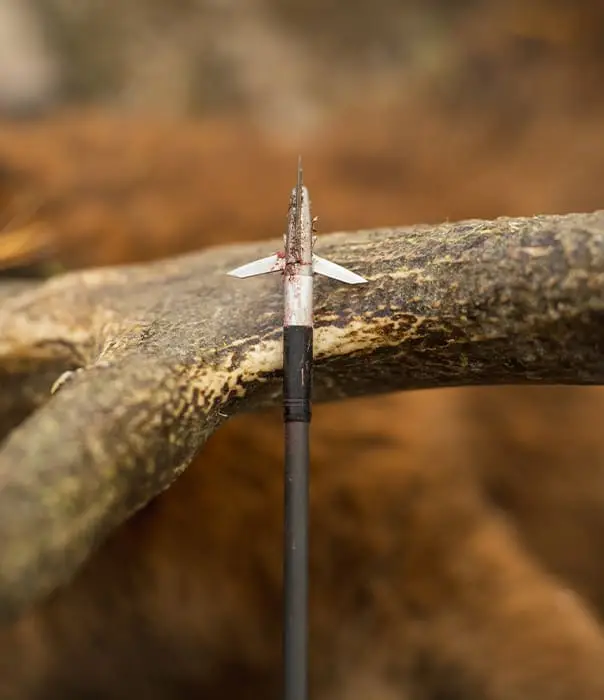
For western big game, none of that matters if the broadhead does not stay closed or fails to open properly. To address this, our team created the Sixlock retention. This rear capture system holds the blades closed at the back with a customized O-ring designed for high flexibility, ensuring it stays closed while crawling and putting in and out of a quiver, yet simultaneously allowing proper deployment with ease upon contact. The combination of this, the design, and the quality materials means that you get a mechanical that penetrates more similarly to a fixed-blade broadhead.
No compromise
In the end, by starting from the ground up and building around the idea of durability and penetration for larger western big game animals and mountain hunting, what you get is a hybrid mechanical that flies like a mechanical and penetrates like a fixed-blade broadhead; quite literally the best of both worlds. Once you have constructed something for the top end of hunting pursuits, everything else the broadhead is used for is icing on the cake.
Our philosophy has been designed around elk, and this broadhead works incredibly well on deer or anything else. Through this new approach, I really think the broadhead market has entered a shift with the addition of the Verse, as it finally gives western bowhunters an option of a mechanical broadhead that was designed for their pursuit.