NOTICE: Certain links on this post may earn a commission for Western Hunter Magazine from Amazon or our other affiliate partners when you make a purchase. Thank you for your support.
Exo Mtn Gear: K4 7200 Pack System
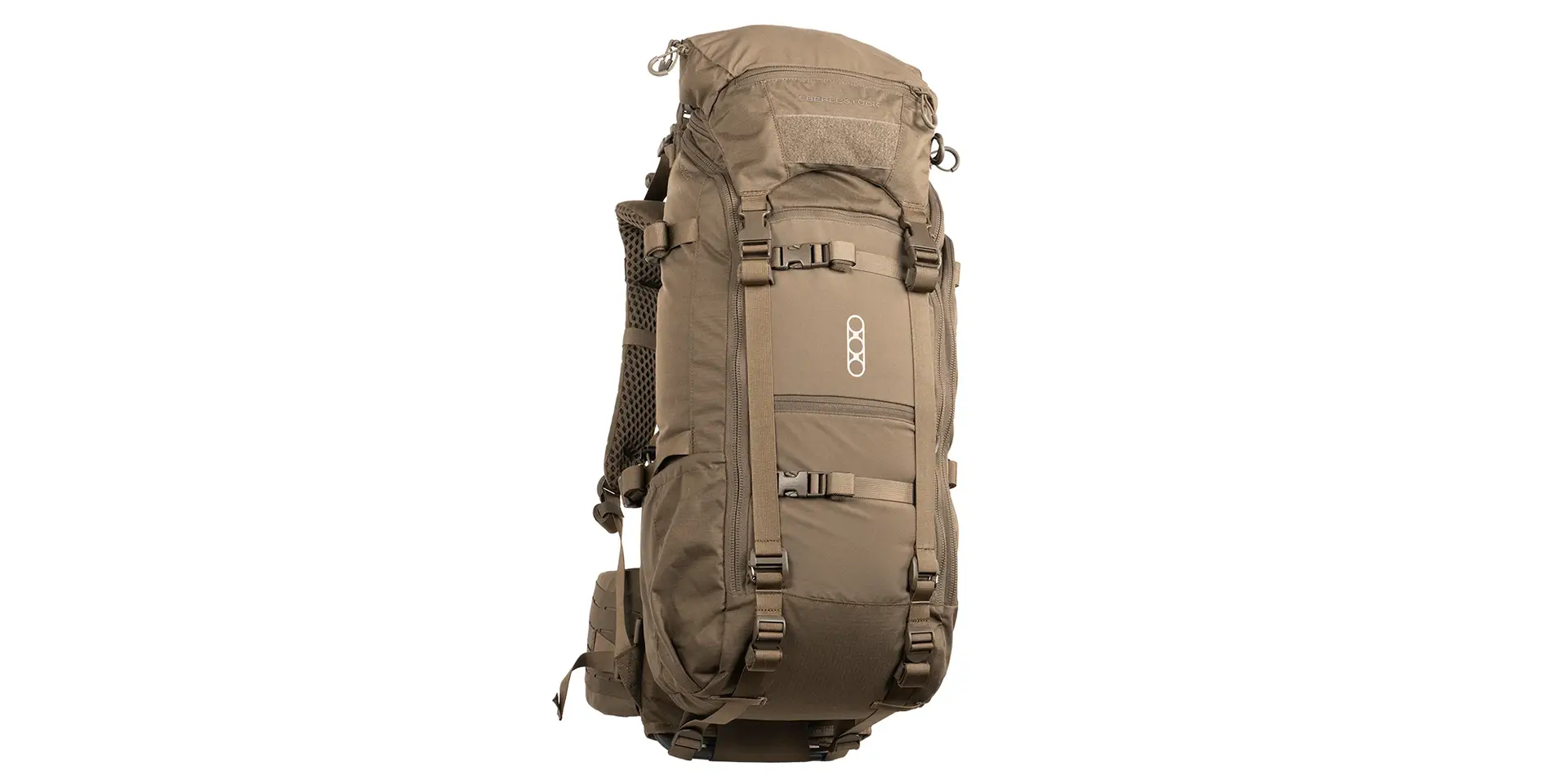
Just because this is a review of a 7200-cubic-inch pack, don’t think this is only useful for extended backpack hunts. While it is great in this department, it’s a great all-around workhorse, and that's the main reason I decided to order this model vs one of the smaller-capacity models. There really isn’t much of a weight penalty when choosing the 7200 vs a smaller 3600. For example, the 7200 weighs 5 lb, 15 oz, and the 3600 comes in at 5 lb, 8 oz, so the 7200 is only seven ounces heavier but provides twice the volume.
When fully loaded, this pack is large but without being obnoxious. It doesn’t get too wide and doesn’t extend too tall. One of the most amazing attributes of this pack is that when I’m out on a short day hunt and don’t have much gear with me, it compresses down nicely and feels like a much smaller, stealthier pack. I’m normally a fan of dropping my pack when I’m closing in the last 100 yards or so on my bowhunts, but this is the first pack I have used that stayed on my back on many of my close encounters over the last couple seasons using it; it’s just that comfortable, stealthy, and quiet.
There is a lot to discuss involving the pack, but the main takeaway, if you read no further, is that if comfort is important to you, the K4 system excels in this area. The hipbelt in particular is a game-changer; it makes 60-pound loads feel more like 40 to me. The hipbelt stays in place even after miles of hiking, so you’re way less likely to have to stop and make adjustments to your pack along a hike. I have used this pack exclusively over the last two years for everything from turkey and shed hunting in the spring to high country deer and wilderness elk hunts in the fall.

The K4 System
The core of the K4 system is its frame and suspension. This is a modular system that allows you to purchase a packbag and frame together or frames and bags separately. The packbags are completely removable from the frame and interchangeable among the four sizes: 2200, 3600, 5000, and 7200 cubic-inch models. One of the reasons this pack is so comfortable is the range of sizes they offer, allowing for a customizable fit.
Exo offers five hipbelt sizes and four frame heights, ensuring an ideal fit. I’m a 34” waist, and the size medium hipbelt fits me perfectly; additionally, I’m six feet tall, and the 25” frame gives me an exact fit. Beyond that, the shoulder straps can be fine-tuned for fit after you receive the pack. Exo’s website has great videos on how to measure yourself for fit, and those helped me get dialed in quickly.
Most high-end packs these days feature removable packbags, but the noteworthy point of Exo’s system is how quickly and easily it removes. There is nothing worse than being cold and exhausted at midnight after field dressing an elk in the steeps and having a wrestling match with your pack to get the bag removed to reveal the meat shelf. This system is user-friendly even with cold fingers. The packbag can be completely removed for tossing in the washing machine or partially removed, hinging at the bottom to unfold, revealing the meat packing straps hidden between the packbag and frame. Before moving on to other topics, I should mention that the frame's backbone consists of two carbon stays that provide just the right amount of rigidity for heavy loads while allowing the frame to flex slightly for all-day comfort. The packs are sold in both coyote brown and ranger green.
Meat Packing Ability
The K4 system has a built-in meat packing system that’s sandwiched between the packbag and the frame. This system consists of two compression straps that buckle in the middle. There are two ways you could use this to pack meat. The first is to completely remove the packbag and strap quarters onto the frame via the two compression straps. I have not used it in this way yet, but I could see it being handy if I were shuttling elk quarters, though carrying loose meat and/or a head would be trickier with only two compression straps.

The second way is what I have utilized, and that’s to only partially remove the packbag, unfastening it from the top and sides, leaving the bottom straps attached to the frame. This allows you to unfold the pack like a taco. This method involves laying the pack flat on the ground with the suspension facing down, then hinging the pack bag open and out of the way, allowing you to set quarters and loose meat bags onto the frame and cinching them down tight with the two heavy-duty compression straps.
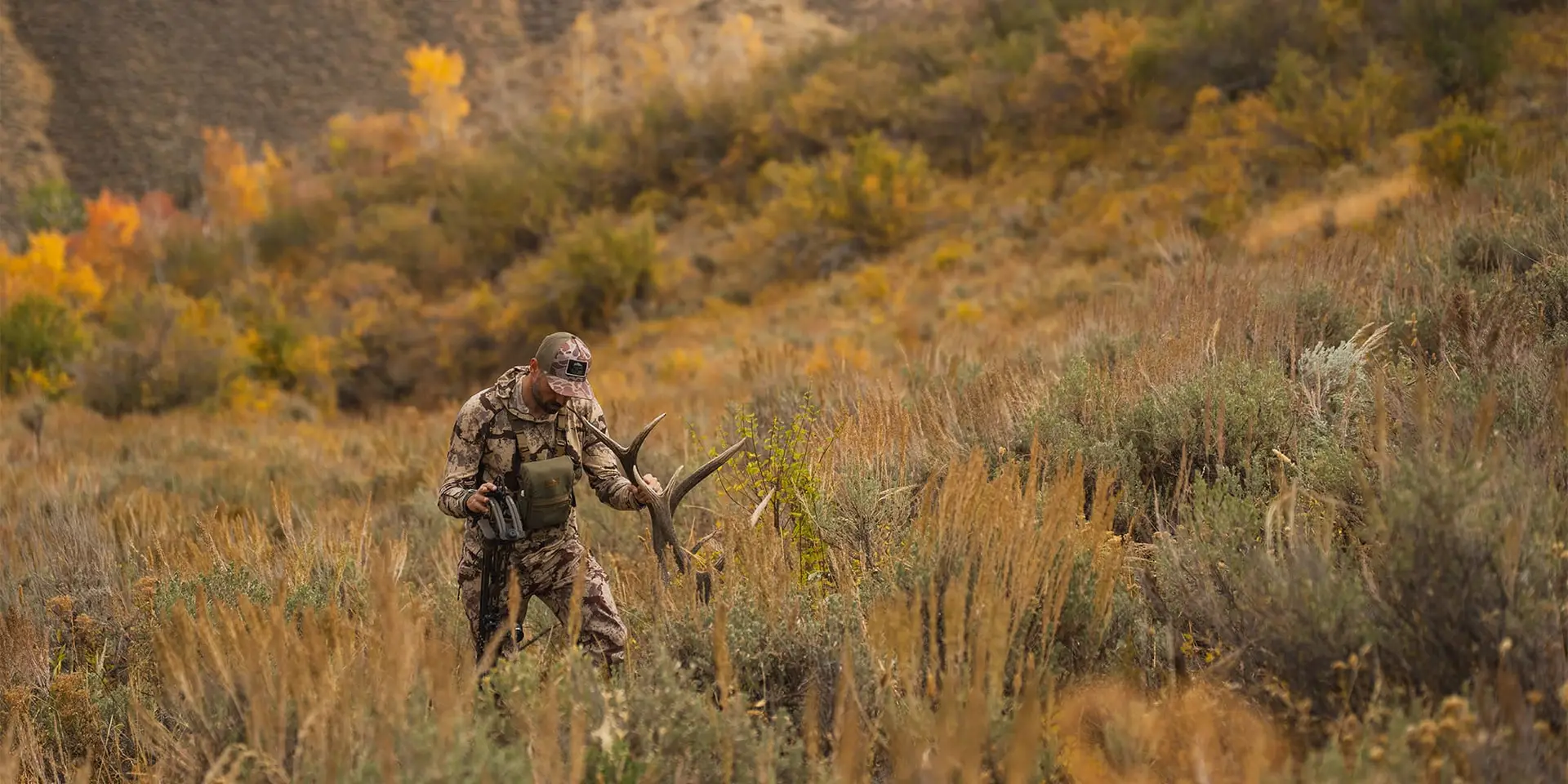
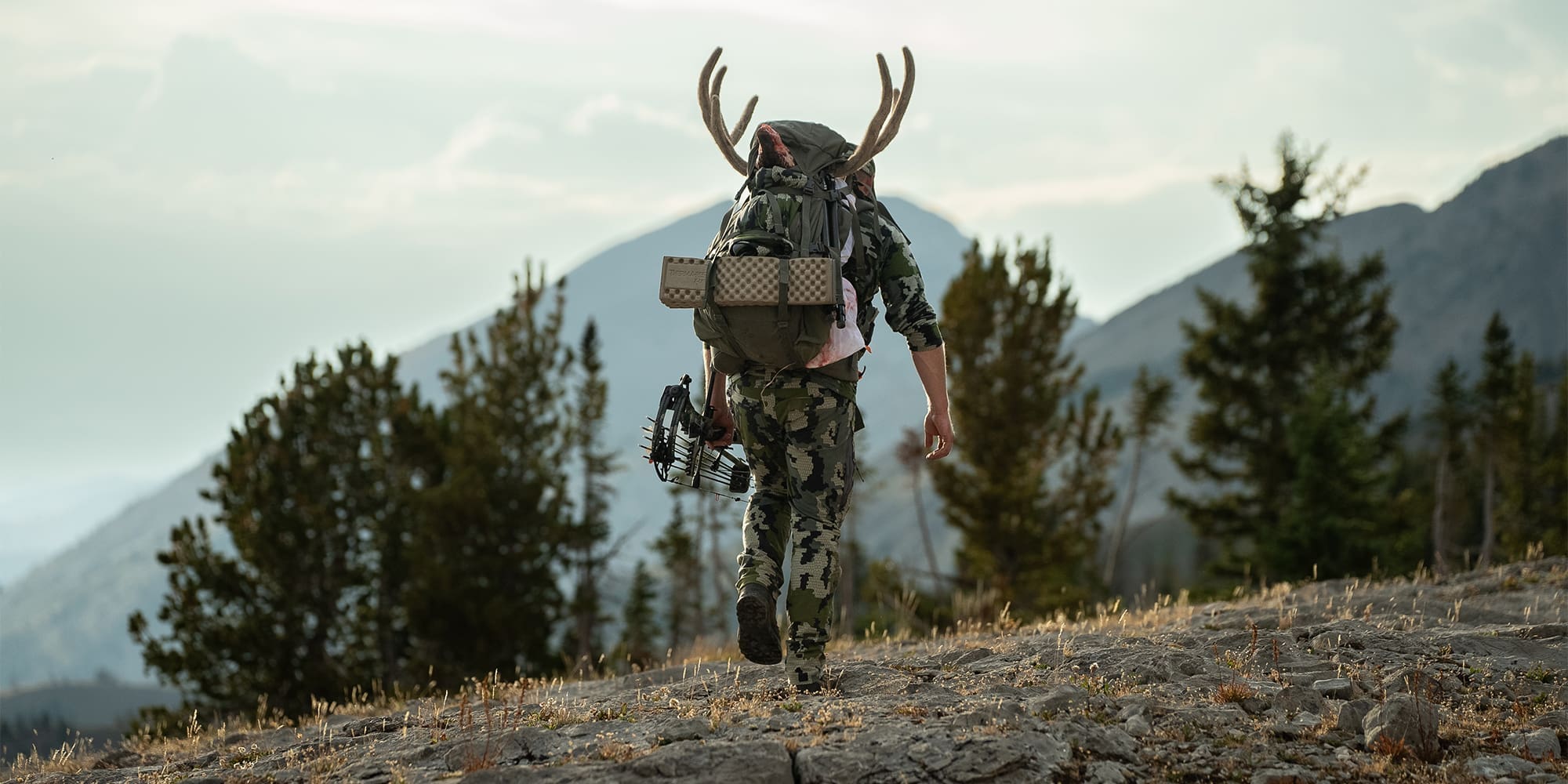
After securing the load, you can reattach the packbag and cinch it down with its compression straps to further secure the meat. This allows you to carry your equipment and meat at the same time and does a good job of keeping your gear from getting bloody. With the packbag reattached, it also offers plenty of options for attaching a deer or elk head, with a multitude of straps and buckles to rig it securely. This feature has come in handy on several occasions, but I really put it to the test last September on a backcountry mule deer hunt where I killed a large-bodied buck in a hell hole, eight miles from the nearest road.
Over half of the packout was off-trail in steep terrain with poor footing. After arrowing the buck, Randy and I discussed our options. We didn’t like the idea of navigating the terrain and distance with insanely heavy packs, but we didn’t like the idea of dividing up the loads and making a second trip, either. We decided to attempt to carry our camp and the buck out in a single trip. We divided the load, both using the technique described above (he also has a 7200), and shouldered it. We never weighed the packs, but we were in the neighborhood of 90-100 pounds each.
The packout sucked because they always do, but the packs did amazing. That was the first extreme load I have carried with this pack, and the hipbelt design really shone. There is much more surface area for this hipbelt to hug your body than with other packs I have used, and it does a fantastic job of conforming to your hips and distributing the weight comfortably. I don’t get any pinch points with this design, and even under heavy loads, it doesn’t loosen after miles on the trail.
Durability
A 7200-cubic-inch pack that weighs under six pounds is pretty light; this weight includes the lid, which brings the pack to over 7800 cubic inches (the bag alone is 7200). Of course, I love the idea of a light pack, and over the years, I have tested some ultra-light packs, only to be disappointed in their durability and performance under heavy loads. This pack excels in both these areas despite being what I would consider lightweight, given the 7800ci capacity.

This pack has seen two years of taking a beating, and I mean a beating. I use it on scouting trips in the summer, fishing trips, big game hunts all fall, duck hunting in the winter, and in the spring while shed hunting and turkey hunting. After two years of year-round use, the pack is in nearly perfect condition.
After a recent close inspection, the only signs of wear are on the mesh material inside the shoulder straps, where it touches my back. It’s not a concern at all; it’s just the only place I could find any sign of wear, which is pretty remarkable. I did break a prong off the main buckle on the hipbelt after accidentally stepping on it. Fortunately, this did not prevent the buckle from working; it continued to lock even with one prong for the rest of the hunt. I ordered a replacement buckle from the Exo website for $3.
Overall, I would say that the pack has been designed right in the sweet spot for durability; not overbuilt, adding unwanted weight, and not so light that it compromises durability. The buckles are solid and secure, the zippers all still work just as they did the day I received the pack, and I have never had an issue with any of them. This pack outperforms almost every pack I have ever owned in terms of durability; the only pack that offered similar durability weighed almost two pounds more. The bottom line is, this pack is extremely durable and lightweight, and that’s a difficult combination to find.
Accesories/Organization
Exo kills it in this department. I don’t usually get too excited about a pack company’s accessories, but a lot of the Exo extras are too good not to touch on. I’ll start with my favorite, their Nalgene Holder. As I have gotten older, I have grown to despise drinking from a hose port on a hydration system. I much prefer to drink from a water bottle. The problem was I didn’t like bottle holsters flopping around on my hipbelt, and I also didn’t like not having quick access to it if it was in my pack.
The way Exo designed their Nalgene Holder fixed this dilemma for me. While it technically attaches to the hipbelt, its connection point is further back and angled, so it feels more like it’s attached to the frame than to the belt, yet still allows for easy access. Getting the Nalgene out is quick and easy, but it does take a little practice to get it back in. Since it’s positioned towards the rear of the hipbelt, it’s not as easy to set the bottle back in place, but it’s also why it rides so well and doesn’t flop around. It can be attached to either side. They make two sizes, one for a regular 32-oz bottle and a larger 48-oz version. I have only used the 32-oz holder, which costs $39.99. I should mention that the pack features a hydration compartment with a hose port, so you still have that option.
Another must-have accessory is Exo’s Hipbelt Pouch, which attaches to either side of your hipbelt via an integrated MOLLE attachment. I like to keep my headlamp and beanie inside mine, but it's large enough that I can also stuff my gloves and/or a protein bar in there if needed. I like it so much I may order a second pouch, one for each side when not wearing a pistol holster on one side. It weighs just a few ounces, has a zippered top that’s easy to open and close with one hand, and goes for $29.99.
The 7200 with lid includes seven zippered compartments and four stuff pockets, so there is no shortage of options for staying organized, but the Stash Pockets Exo offers are super nice for further organization. These are small, lightweight (less than an ounce) zippered pouches that can be attached to six different connection points within the pack. I could connect up to six, but I just use two in my pack, and they are nice for things I don’t need constant access to, like fire starter, an extra headlamp battery, blister tape, an extra lighter, etc. These are 8” x 6.5” and sell for $19.99 each.
I have not had their Quick Release Rifle Carrier yet, but I plan on it. It would have come in handy last duck season on days we had to hike into our blind. Chris has one and used it on a couple of his hunts that I filmed. It looked like a great design, and he had good things to say about it.
Another accessory I don’t yet have but plan on getting is the K4 Dry Bag. Exo does not offer a traditional rain fly; instead, they offer a dry bag system tailor-made to the pack, ensuring everything inside is 100% waterproof. The dry bag for my 7200 weighs 9.5 oz and goes for $99.99. I could see this being a big deal on hunts in Alaska or on the Oregon coast, but I do wish they made a traditional rain fly as a lighter, quicker, less expensive option for the occasional rain or snow here in the Rockies. For now, I have been using a Stone Glacier rain fly that fits my pack just fine and doesn’t weigh much, but it tears easily, so I have to be careful with it.
Although Exo doesn’t sell a pistol holster as an accessory, I feel it’s worth noting how well their MOLLE system on the hipbelt allows pistol holsters to attach securely. In the past, I have opted for a chest pistol harness because of the many floppy hip-belt holsters I had used. The MOLLE that’s built into the Exo hipbelt provides a super-secure attachment, even for large pistols. Additionally, since the hipbelt does a better job of distributing weight, I felt my pistol's weight would be better applied here than with another harness worn on my chest. I ordered a Gunfighters Inc. Ronin holster for the 10mm I carry in grizzly country, and it rides nicely connected through the built-in MOLLE system.

Lastly, the K4 Locking Buckles are not technically accessories, since they come standard with all K4 pack systems, but they are sold as accessories if you want more. Exo packs come with a male/female pair that I keep in one of my Stash Pockets. This serves as a backup buckle should any of the others break, but it also comes in handy for securing awkward loads such as shed antlers, a deer skull, or even a bow. These will not work themselves loose, even if they are sitting at an awkward angle on a hard object, where most buckles tend to come loose. When these are needed, you simply remove a set of buckles on the pack and replace them with these. It’s quick and easy to do and can really make life easier for specific situations. At just an ounce, I always leave my set in my pack.
I like to stay organized and have a place for everything in my pack, and the 7200 makes my life easy here. With seven zippered compartments and four stuff pockets, I have a home for just about everything I carry. The bulk of this pack's volume is in the main compartment, which can be accessed via a zipper running lengthwise or through the rolltop opening. The rolltop opening also makes this pack versatile, allowing it to “unroll” upward for larger loads or roll down when extra space isn’t needed. The rolltop opening is secured by a buckled closure, so it never works its way open accidentally.
Between the main compartment and the frame is a thin, waterproof hydration compartment. This features its own zippered entry point on the top of the pack, so you don’t have to open the main compartment to access your bladder. I use this all the time to carry extra water so I can refill my Nalgene. The waterproof liner is a great idea in case you spring a leak; your gear inside the main compartment stays dry.
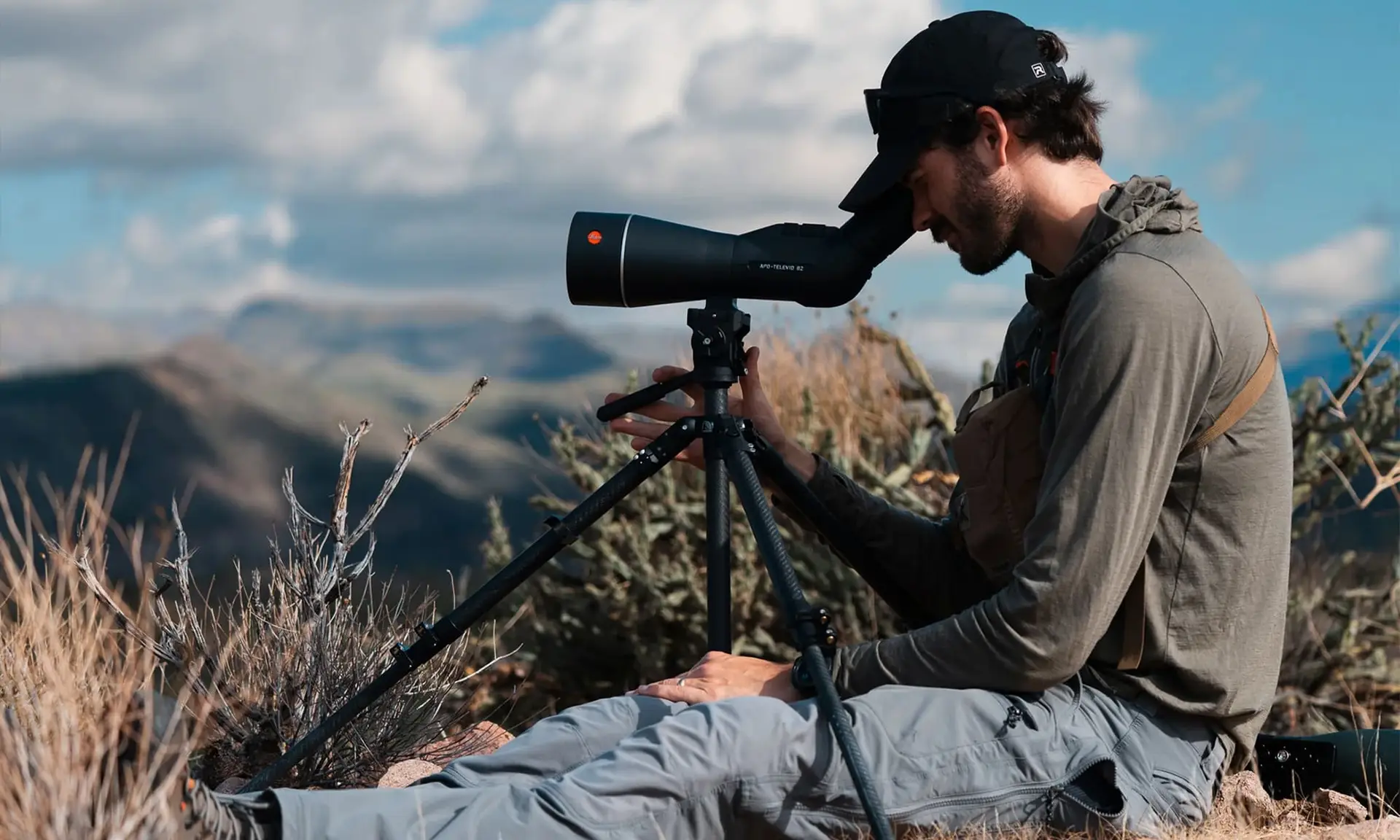
There are two long vertical zippered pockets on each side of the pack, perfect for quick access to a tripod and a spotting scope. My tripod is on the large side, nearly 25” when collapsed, and while it does fit into these side pockets, it’s a snug fit lengthwise, so I attach my tripod in another way, which I will discuss in a minute. These side pockets are roomy; there is plenty of space for items beyond tripods and spotting scopes. I have even fit my one-man tent with rainfly and poles into one of these pockets, and that is where I attach my two Stash Pockets.
On the lower sides of the pack, there are four stuff pockets - two on each side. These are stretchy and can be overstuffed, but stay tight to the pack when not filled with gear. Another great feature is that one of the two openings faces forward towards you as you wear the pack, making it possible to stuff things like gloves into these pockets without taking the pack off. The other pocket that faces upward is where I rest one of my tripod legs to keep it from sliding down, and it is held in place by the two buckled compression straps on each side of the pack.
There is another zippered pocket centered on the back of the pack that is generously sized but shallow. I usually keep my wipes in here. The lid is removable and features two zippered pockets: one main compartment that can fit a lot of gear, and one smaller shallow pocket on top where I keep my knives, InReach, and a pen.
Nitpicking
To be honest, this pack has exceeded my expectations and offers features better than I could have ever dreamed up, but if I had to wear my prima donna hat, here is what I would complain about: No traditional rain fly, but they do have a pack-specific dry bag system that is 100% waterproof. The pack has eight sets of buckles on the ends of the compression straps; two on each side, two across the back, and two that secure the lid in the back. The buckles themselves are awesome, and the straps are in the perfect locations, but it would be nice if the buckles could be color-coded so you always know where each buckle connects without having to think about it. I have occasionally buckled the wrong buckles together by accident; no big deal, but remember, this is just nitpicking.
Lastly, since the lid is completely removable, it would be cool if it could be converted into a fanny pack for carrying smaller items. There are times I might utilize this for the last part of a stalk when I don’t need my full-blown pack but would like access to a little water and maybe a light rain jacket. This would add a little weight, but perhaps the buckles used in the fanny pack could serve as a backup set to the main hipbelt buckles, which would help justify the extra ounces.
The 7200 Versatility
Maybe at some point down the road, I will get a smaller pack model for days when I don’t need the 7200's volume, but this pack is wildly versatile. Considering the pack’s compression strap system allows it to be cinched in tight when you don’t have much gear, it makes a great day pack in addition to a multiday. Honestly, the only reason I might ever get another smaller model is that I like nice packs, not because I “need” one.
This pack does everything I need it to. It’s a multiday/expedition workhorse, but the extra space comes in handy on spring turkey hunts as well, when I’m packing a couple of full-body decoys. I have had trouble finding a pack with main compartments large enough to accomplish this, and it’s no issue with the 7200 with gear, to boot. Another element I like is that the extra volume lets me fit everything inside the pack when packing for a multiday trip and prevents me from having to strap things like tents to the outside, where they can come loose, get wet, or be torn.
The Justification
Coming in at $729.99, this isn’t an inexpensive pack choice. At this price point, it better be good, and after two solid years of use, I can wholeheartedly say that it is. When it comes to the 7200 specifically, I think its versatility makes it particularly attractive as a do-it-all pack. I have owned plenty of multiday packs in the past that I would never have chosen for an easy day hunt, but this pack is different. The other thing to consider with the price tag is durability. After everything this pack has been through so far, I expected to find more wear, even on close inspection.
This pack is going to last, and that makes it a safe investment. Beyond the versatility and durability, this is the most comfortable pack I have used. I already discussed why this is earlier, but beyond the fit, it’s also extremely breathable. I can usually feel a little airflow between the pack’s frame and my lower back, which is a welcome feeling on early-season bowhunts.
I’m not sure I have ever had a pack that squeaked loud enough to spook game, but a squeaky pack gets super annoying after miles on the trail. This pack doesn’t do that… like, ever. It doesn’t matter if my pack material is dusty and hot or wet and cold; it just stays quiet. I don’t know how they accomplished this, but I’m thankful they did. I could not be happier with this pack and look forward to many more adventures with it in tow.