NOTICE: Certain links on this post may earn a commission for Western Hunter Magazine from Amazon or our other affiliate partners when you make a purchase. Thank you for your support.
Crispi Lapponia Pro Review
This is the third pair of Crispi boots that I have owned. I have a pair of Briskdals with well over 1000 miles on them and a pair of Wild Rocks that have a lot fewer miles but have served me well on a few late-season hunts. I say that because I have a pretty good understanding of the quality of a Crispi boot. They use high-quality materials and build them in a proven way, but the thing that sets them apart is their ability to design a near-perfect boot for almost anyone’s situation. The Lapponia Pro is another great example of this.
Specs and Build
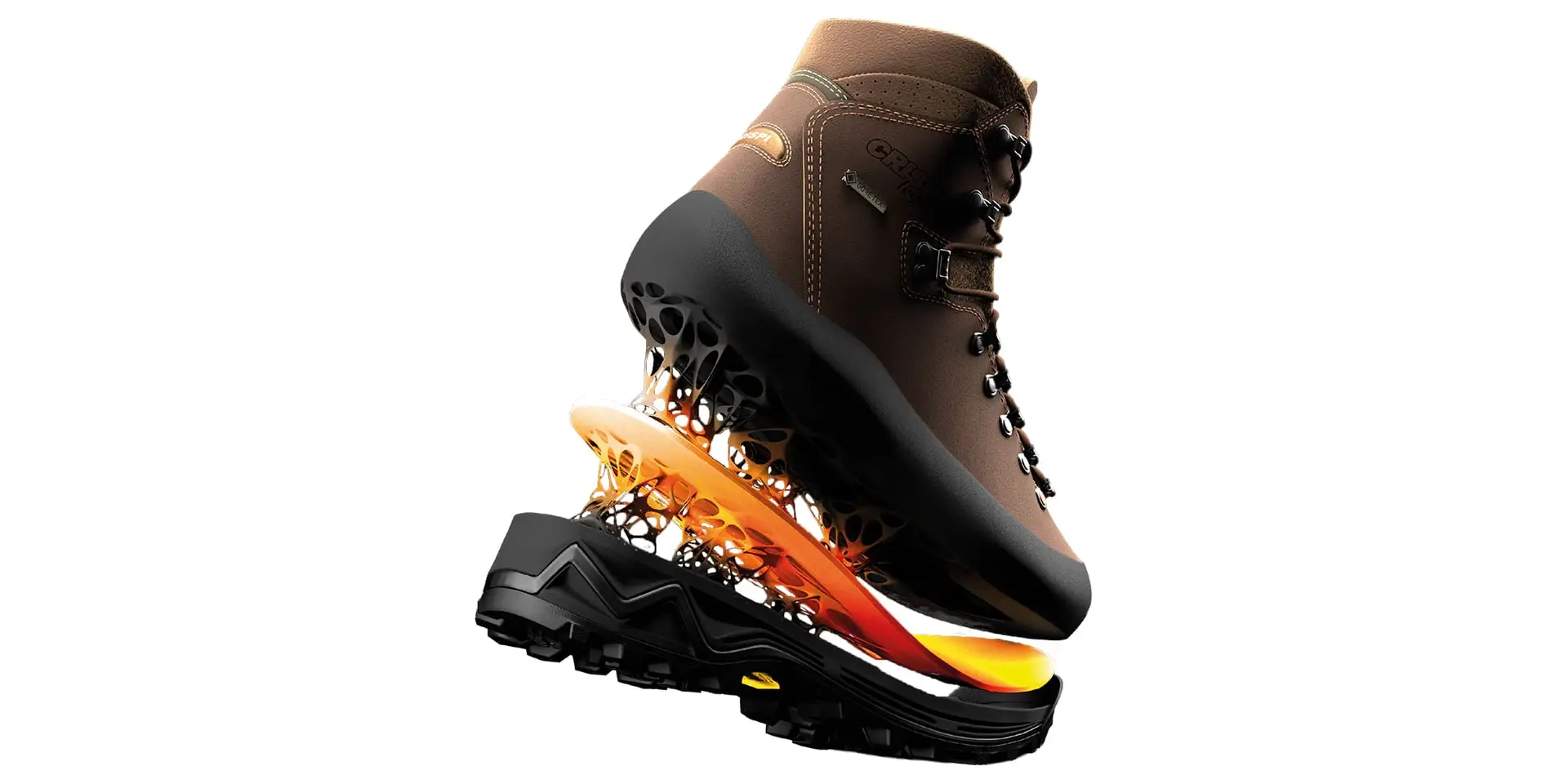
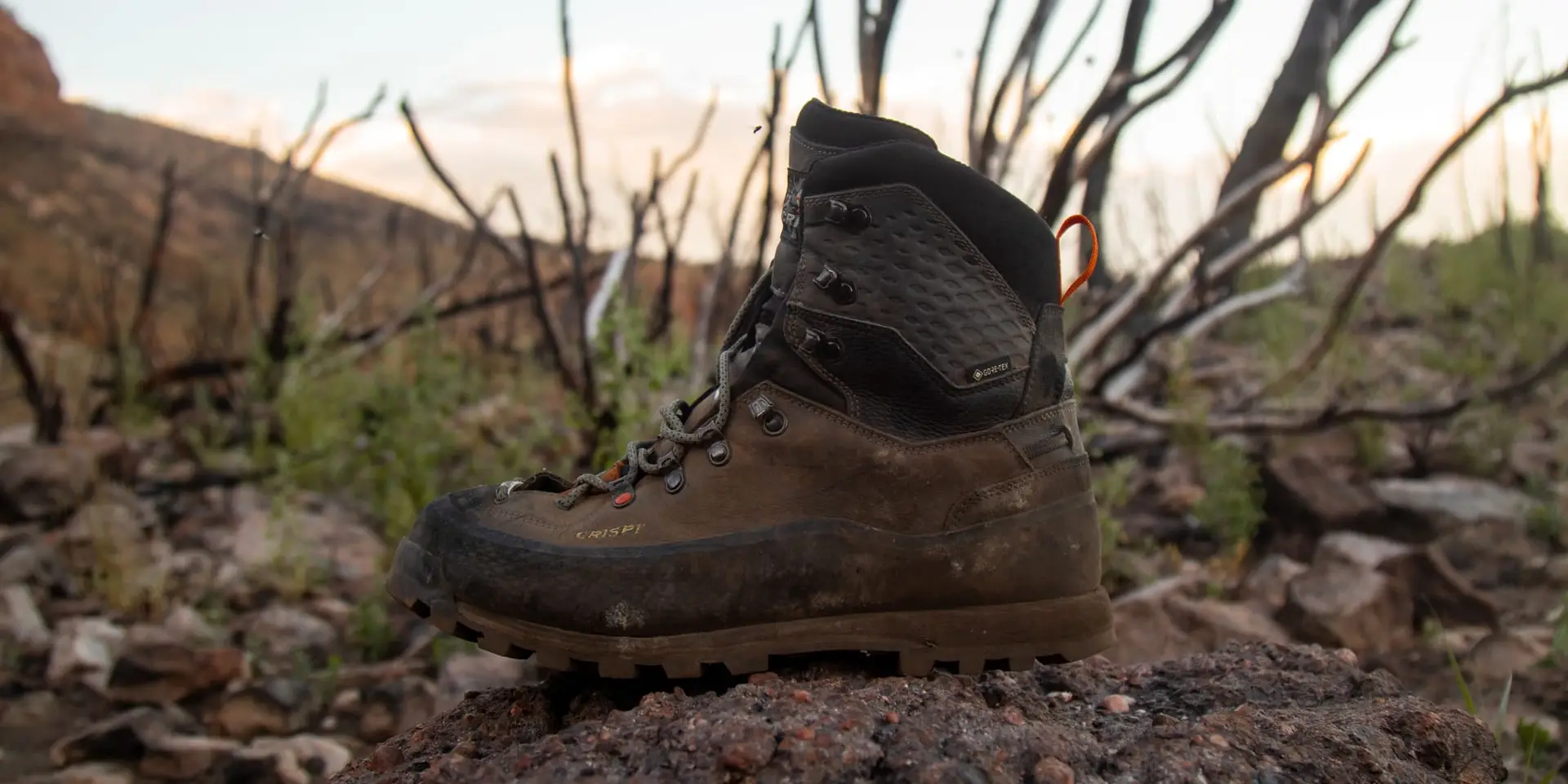
They’re built on the classic dual-density EVA foam midsole that a handful of other boots in the line use and feature their full control outsole that offers a slightly more aggressive and taller lug than other boots in its class, but what’s above that is what really makes them great. They’re wrapped in a full rubber rand that provides more protection and durability than a sew-in rand, and they have a full greased nubuck leather upper. The leather is water-resistant, but like most boots in the line, they have a full Gore-Tex lining. When you add all of these things up, you get a boot that weighs 1 lb 6 oz, which is 4 oz lighter than any similar 9-inch boot.
What It's Made For
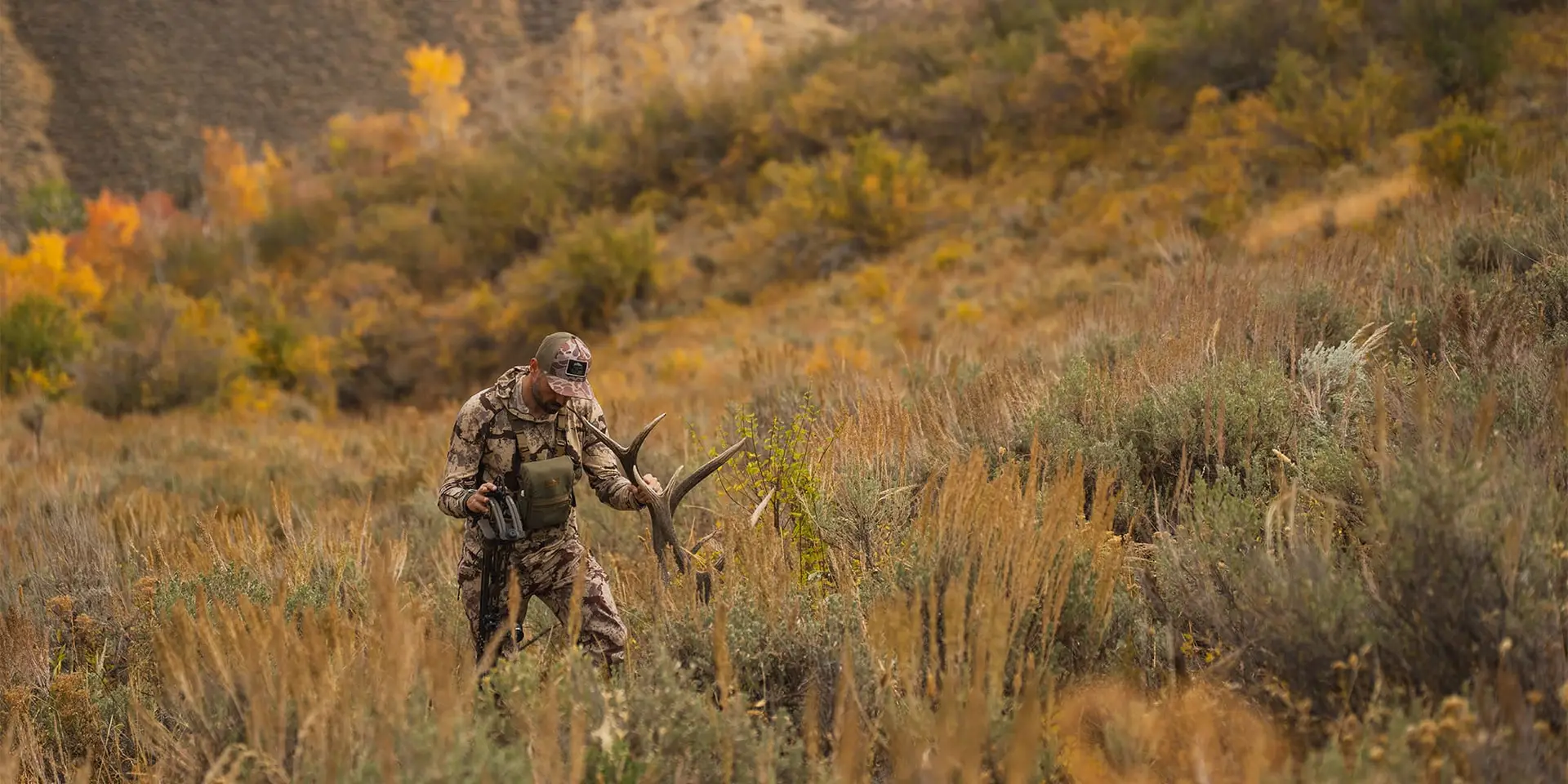
To me, this is a very dynamic boot. Crispi says the Lapponia Pro is for everything from September to November, and so far, I can see how that would be true. They’re a 2.5 on their flex rating, which is right, smack in the middle. On a recent trip through some of the more rugged and steep country that central Arizona has to offer, I had no problems traversing loose rock on steep hillside as well as recently burned timber.
Now, I was packing around 80 lb, and the boot felt really good, but I don’t think this will be the boot I choose to bring to Alaska, where side hilling with 80 lb for five miles is a real possibility. This isn’t because the boot couldn’t handle it–I have no doubts about that–but they’re not quite stiff enough to feel secure in situations like that. With all of that said, I do think this will be the boot I run for nearly everything in the lower 48 until it’s time to bust out the insulated boots.
This boot separates itself in my mind because it offers the protection of a heavy-duty mountain boot at the weight of a more dainty trail boot. Shaving 10 oz (compared to the Briksdal MTN) off my boots while only giving up a small amount of support that's only needed in extreme conditions makes it an easy decision for me. These boots and I are going to see many, many places over the next couple of years.