NOTICE: Certain links on this post may earn a commission for Western Hunter Magazine from Amazon or our other affiliate partners when you make a purchase. Thank you for your support.
The Hunter's Possibles Pouch
By John Barklow
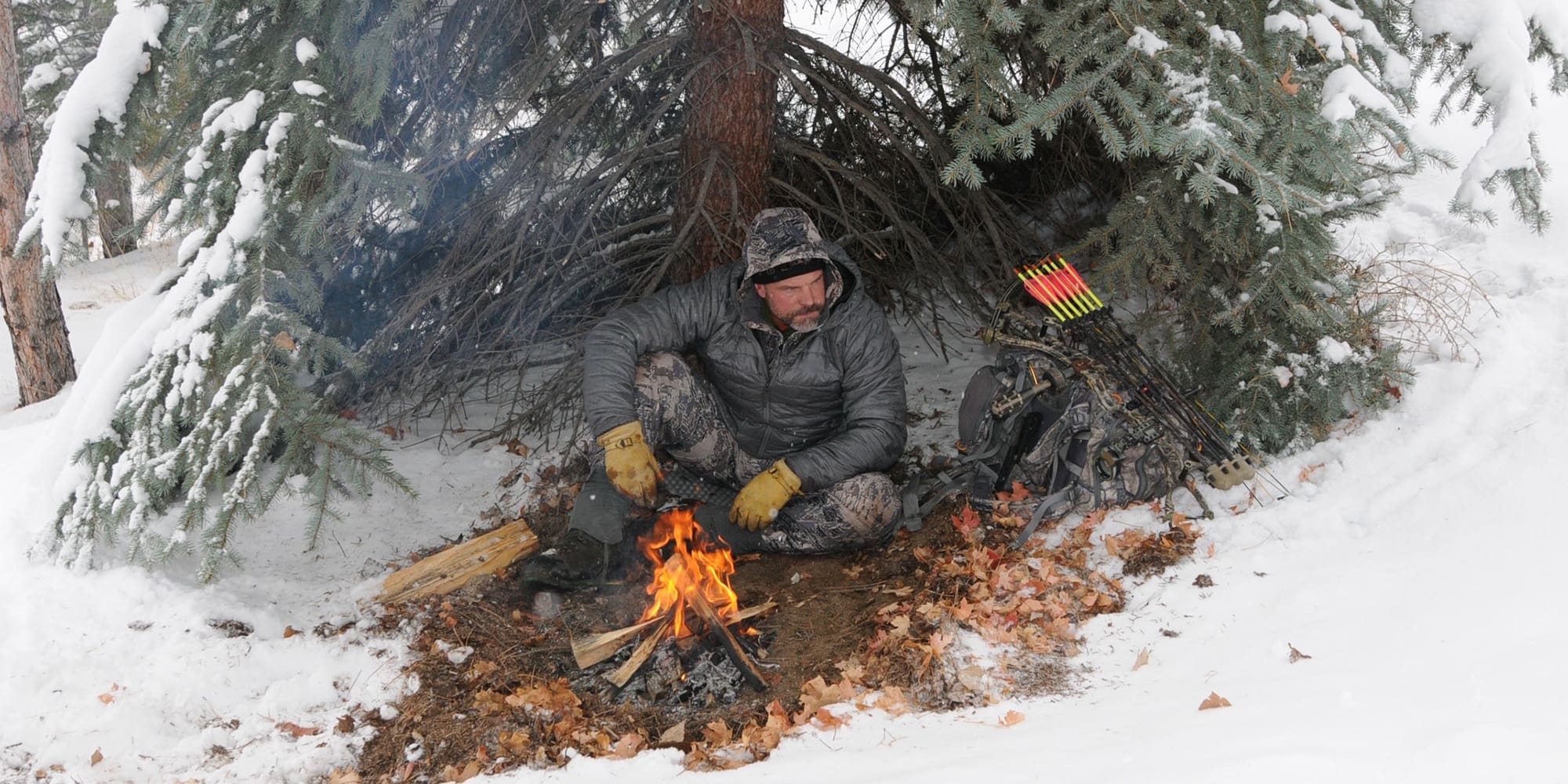
The bite of the wind blowing through the thick timber shifts your focus from your aching lower back to your evolving situation. Alone in the dark, on the side of a mountain, three miles from your bivy camp, you have a mature bull elk on the ground and scarce resources.
Your hunting partner responded 30 minutes ago to your inReach message with congratulations, but said he won’t reach you until morning.
You make the uncomfortable decision to spend the night on the mountain to conserve your limited energy and help deter any Grizzly bears lurking in the shadows.
After hanging the final bag of meat from a sturdy tree, you tie your high-visibility signal panel to a branch so your friend can find your exact location in the morning.
Satisfied with your efforts, you clean your hands at a nearby seep and collect its meager offering in your water bottle, dropping in two purification tablets to prevent illness.
Piling wood in a sheltered location, you sit on pine boughs to insulate yourself from the cold ground. Tending the fire, you wrap a space blanket around your shoulders to help capture its radiating heat and assist your clothing system.
Pulling out your medical kit, you tend to the laceration on your left hand, caused by the careless swipe of your knife in your haste to finish the butchering chores.
Chewing on your last food bar, you feel satisfied in your ability to manage yourself in this backcountry crucible with just your wits, fieldcraft, and a Possibles Pouch.
Playing the Odds
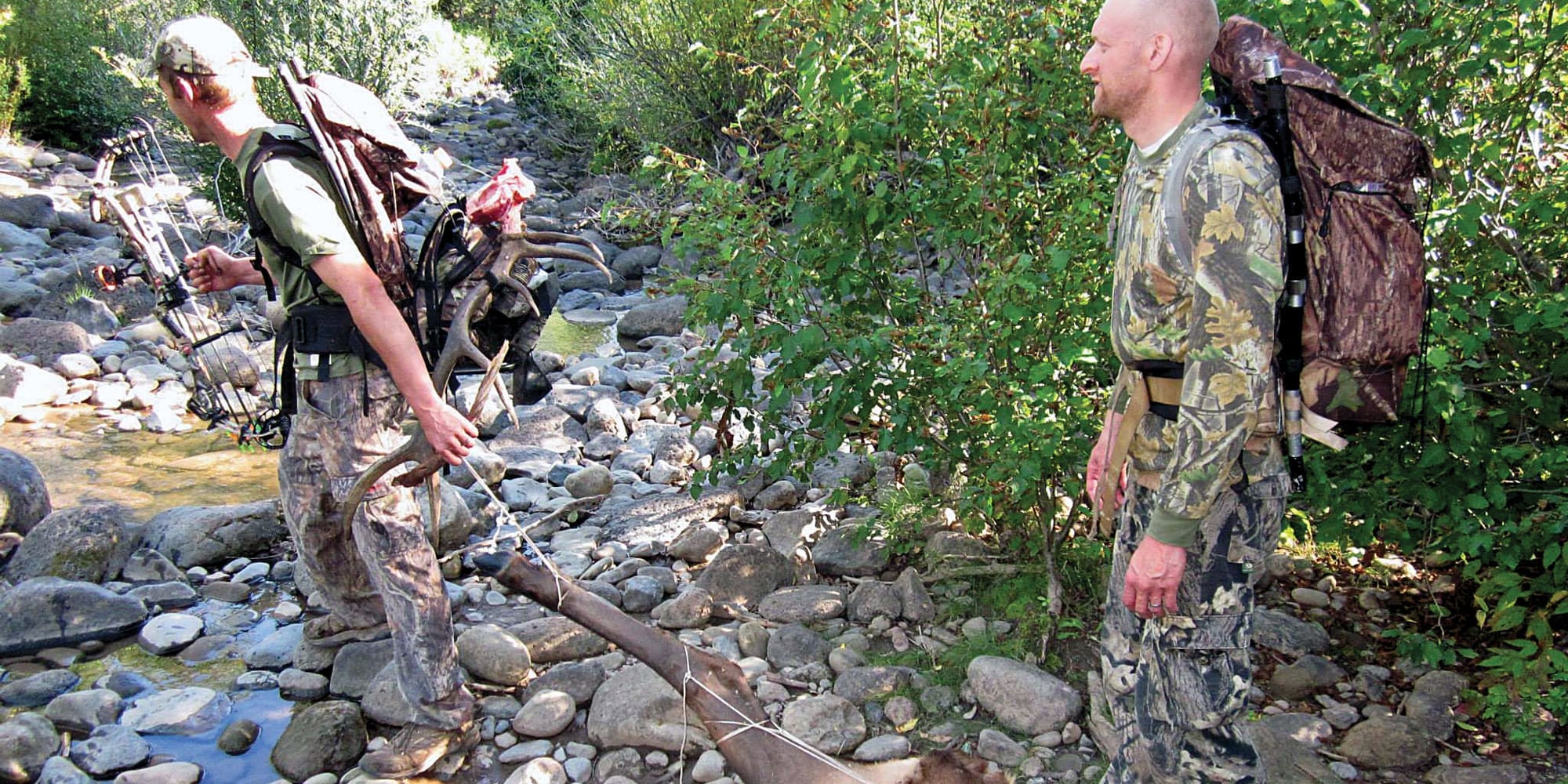
If you spend enough time in the backcountry, it's not a question of if, but when, some unexpected difficulties will arise that challenge your resolve and possibly the lives of you or your partners. At that point, your training and the gear you carry will determine if you’ll have a great story to eventually tell around a campfire or become a statistic.
Today, with all the great gear, you don't need to carry a lot to be safe and capable. With some knowledge gained through realistic training and experience, you can elevate your fieldcraft and safety margin in the backcountry without weighing yourself down.
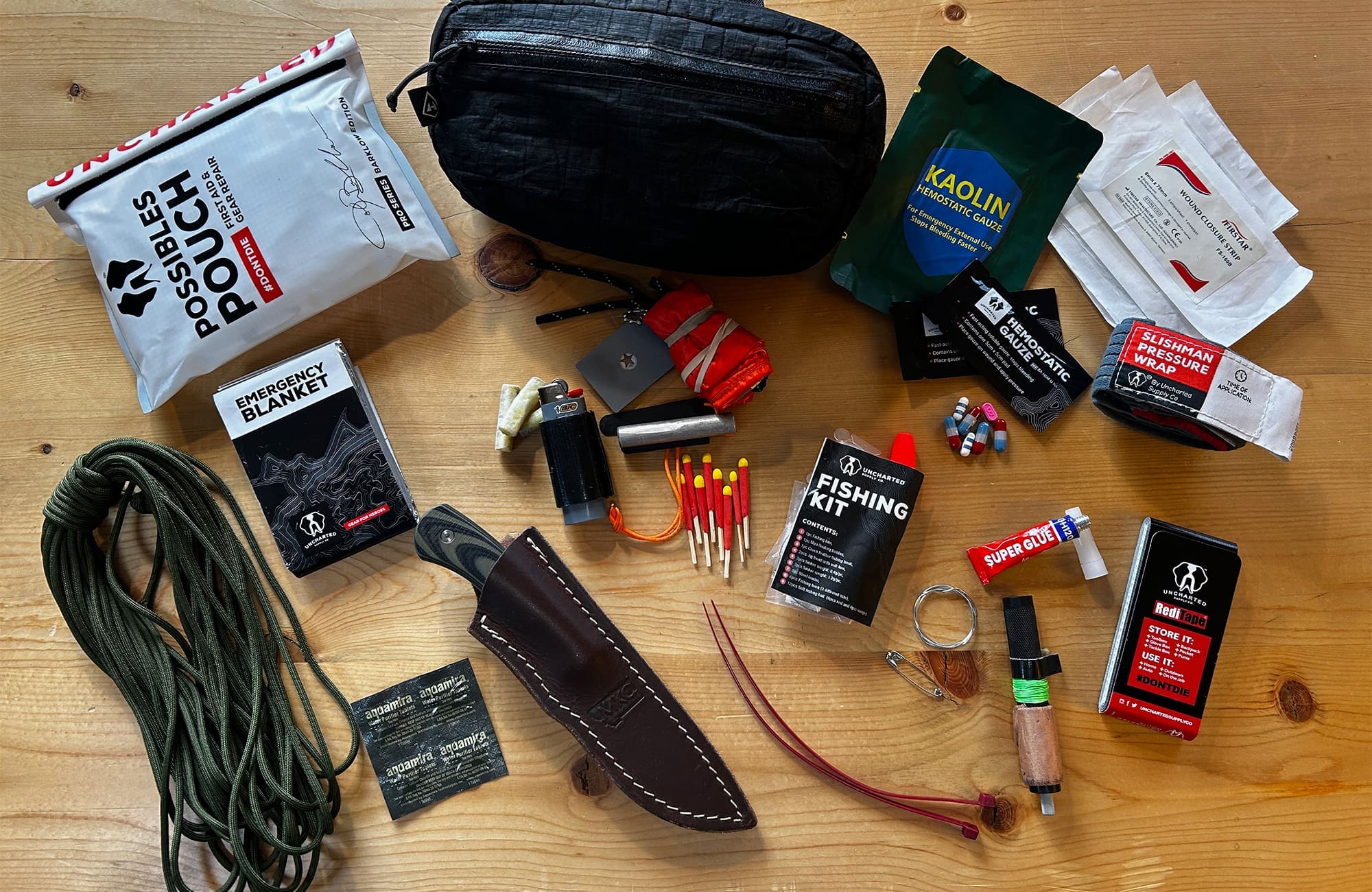
One great way to do this is by carrying a Possibles Pouch with you at all times. A Possibles Pouch is a toolbox you use in the field to manage both everyday occurrences and the rare, life-threatening ones. Now, some may call this a survival kit, but that term would isolate this crucial piece of gear to situations most of us hope to never encounter.
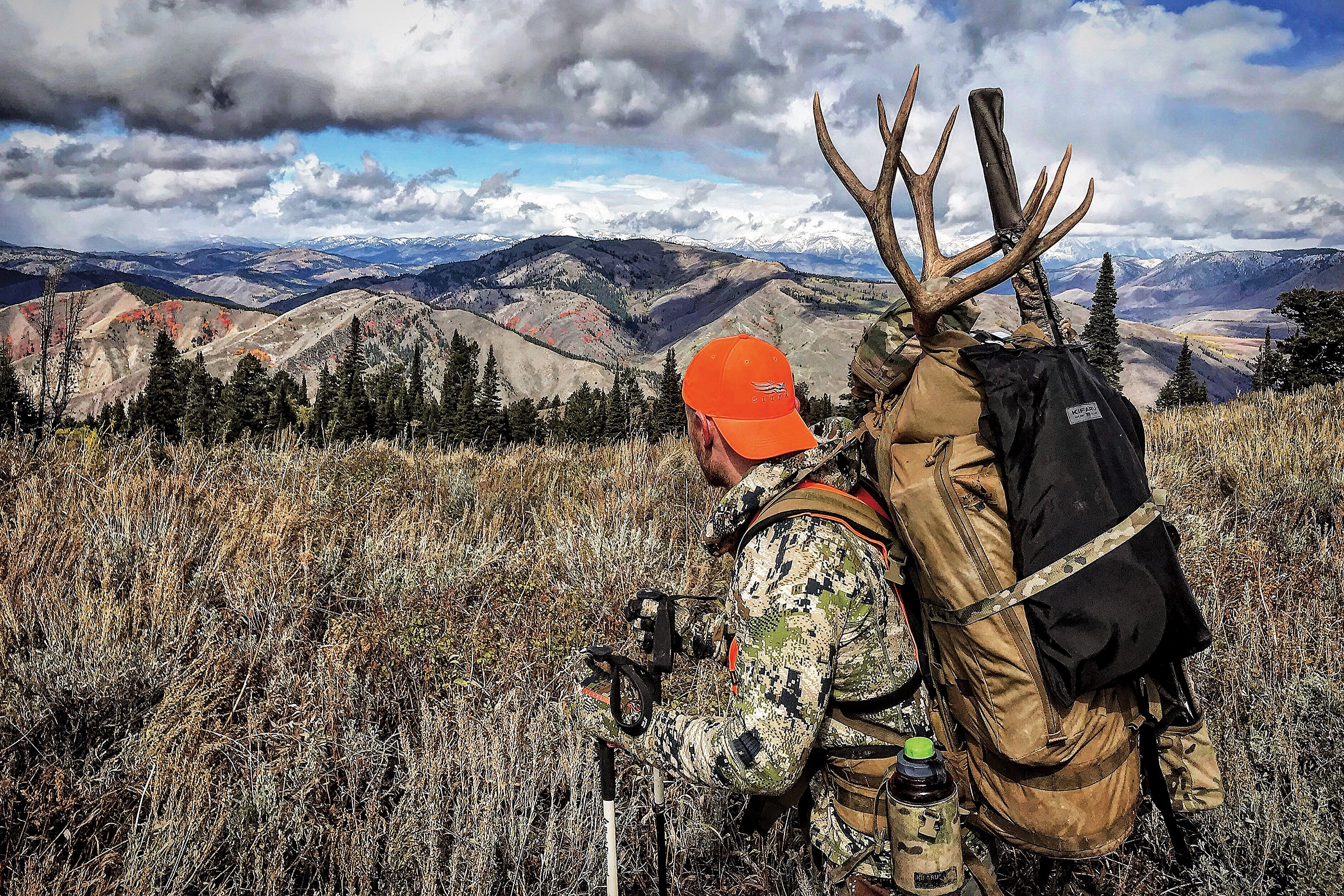
Your primary survival tool is your mind, but the right gear can give you the confidence to stay calm and make the right decisions. The capabilities provided by a Possibles Pouch will make it easier to sit down in the dark and ride out a night in the cliffs with a heavy pack full of mule deer, awaiting dawn to safely navigate, rather than pushing into the unknown and risking a fall. If you ever have to lie up under a tree overnight in a storm with a damaged ankle, waiting for your hunting partners to extract you, everyone will be more confident that you can stave off hypothermia and endure the darkness until help arrives.
The Possibles Pouch
After 40 years of bowhunting across North America and 20 years instructing US Special Operations units on how to survive and thrive in austere wilderness with limited resources, I’ve determined that a Possibles Pouch should contain seven key capabilities. These include the ability to:
1:) Create a shelter
2:) Produce potable drinking water
3:) Make a fire
4:) Signal both day and night to the air and ground
5:) Treat both common and life-threatening medical issues
6:) Procure some natural food items
7:) Make common repairs to clothing and kit
Each person must carry their own Possibles Pouch and personalize it to their unique needs. For instance, if you're allergic to bee stings or have asthma, then you should include items to manage those issues. It’s also important to try and use your Possibles Pouch only on yourself and not your partners. This ensures each hunter stays self-sufficient when separated. If you use all your pain meds or Leukotape on your partner, then you leave little in reserve for your solo hike back to the trailhead with an animal, or if you go on a stalk and don't make it back to camp that night.
A well-constructed Possibles Pouch will help keep you safe and in the field when others may get forced out or feel the need to call for assistance. You’ve spent too much time planning, applying for tags, and training for an issue like a laceration, an unplanned bivy, a leaky ground pad, or a broken tent pole to end your hunt. Backcountry hunters should be able to endure the elements and unplanned contingencies so they can leave the mountains on their terms, not Mother Nature's.
For convenience, I stow my Possibles Pouch in a fanny pack that lets me strap it to my waist before a stalk, take it down to a remote water source, and makes it easy to work from when building a fire or managing a wound.
Survival Priorities
It’s essential to know your Survival Priorities to inform your actions in the heat of the moment. You can remember them as the Rule of Threes.
1:) Three hours without shelter
2:) Three days without water
3:) Three weeks without food
Now, don't take this literally, but it does provide a framework to work from. You and your partners must be aligned on these priorities to avoid arguing about starting a fire in a snowstorm without first establishing a proper shelter or about collecting food before finding a water source.
Shelter
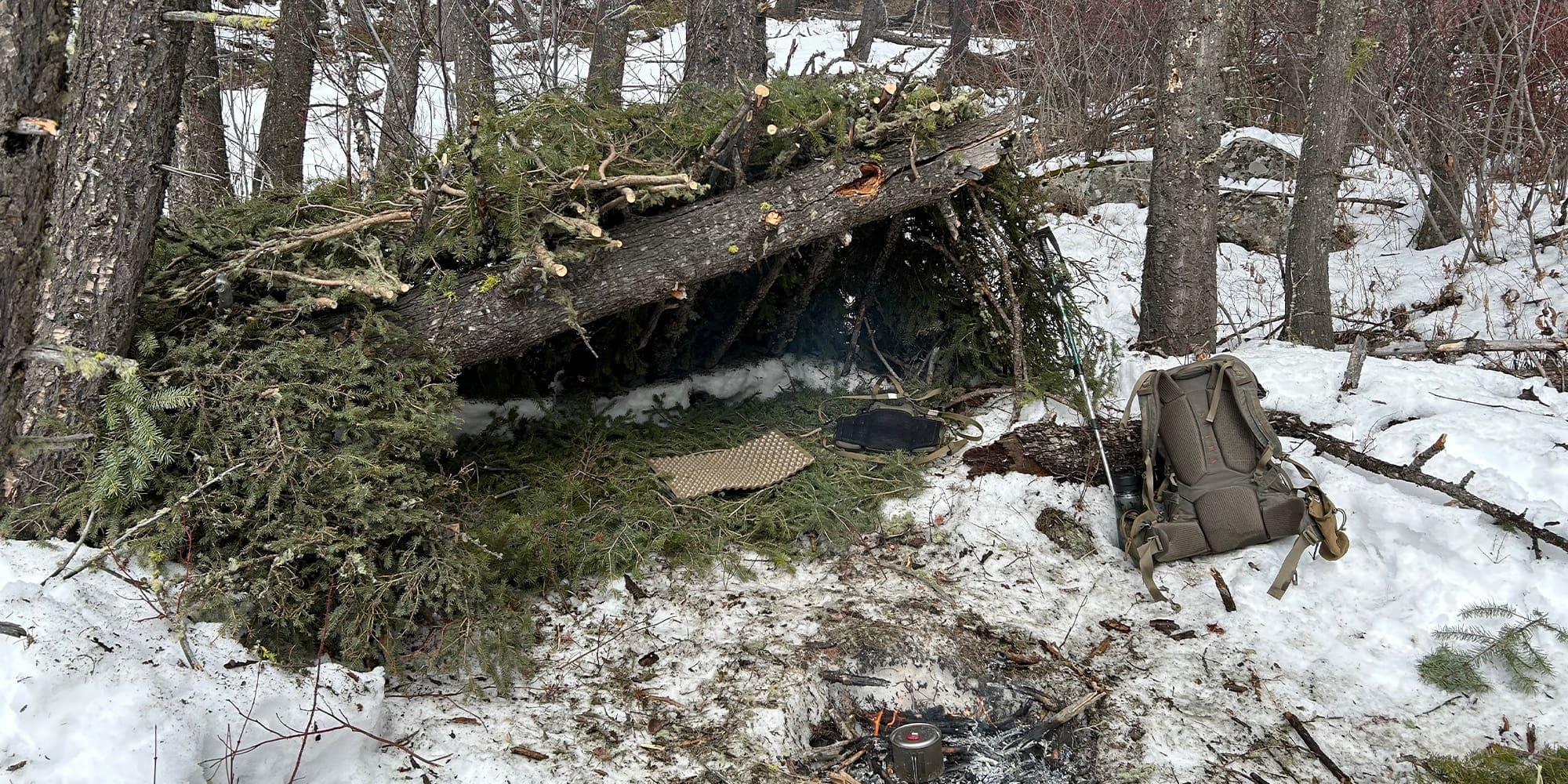
Shelter is your number one survival priority, and clothing is your first line of defense. For this reason, I consider a puffy jacket and rain gear critical pieces of survival gear and non-negotiable when packing. These two layers will trap your body heat when static, block wind, and keep you dry in torrential rains.
But clothing alone is often not enough to confront an unplanned night outdoors. A knife and some cordage in your Possibles Pouch could help you build an improvised shelter, such as an A-frame or a lean-to. Of course, the environment will dictate what types of shelters are feasible. In a desert environment, it may be a rock overhang; in winter, a tree well or snow cave. Also, depending on the environment, you may be seeking refuge from the wind, rain, snow, or sun.
What's most important about shelter is understanding it's your number one survival priority and having some items on you to create one.
Water
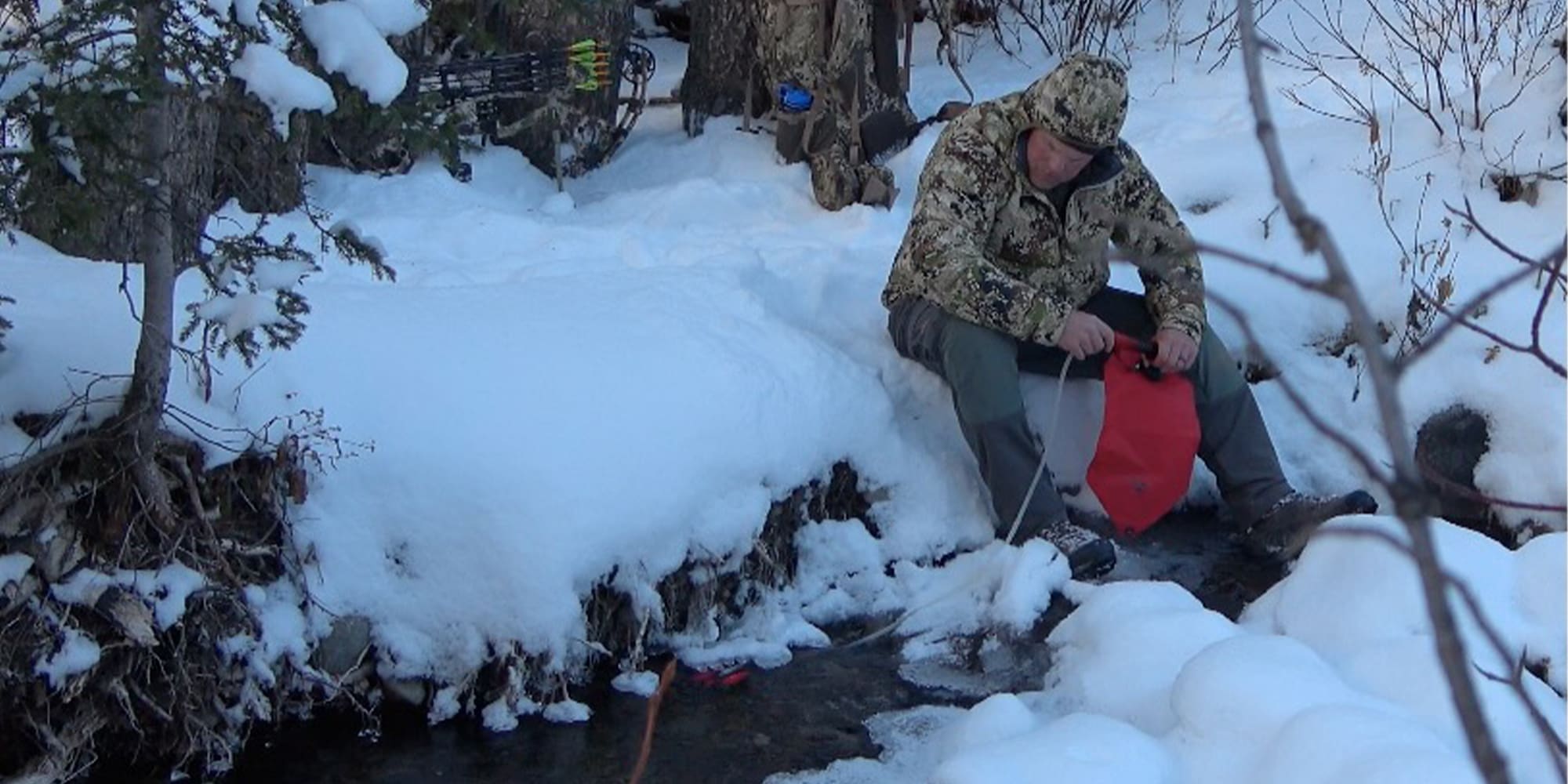
Without proper hydration, your brain begins to lose its sharp focus, physical performance falters, and you can set yourself up for altitude issues.
If injured and awaiting help or delayed overnight from camp, you should conserve any water in your pack. Avoid drinking contaminated water if at all possible, as it can quickly cause diarrhea, which will only speed up dehydration and make you feel miserable.
A pack or two of chlorine dioxide tabs in your Possibles Pouch ensures you can always purify water. An empty quart Ziploc bag in your kit can serve as an impromptu vessel for collecting and purifying water if you don’t have a bottle.
Food
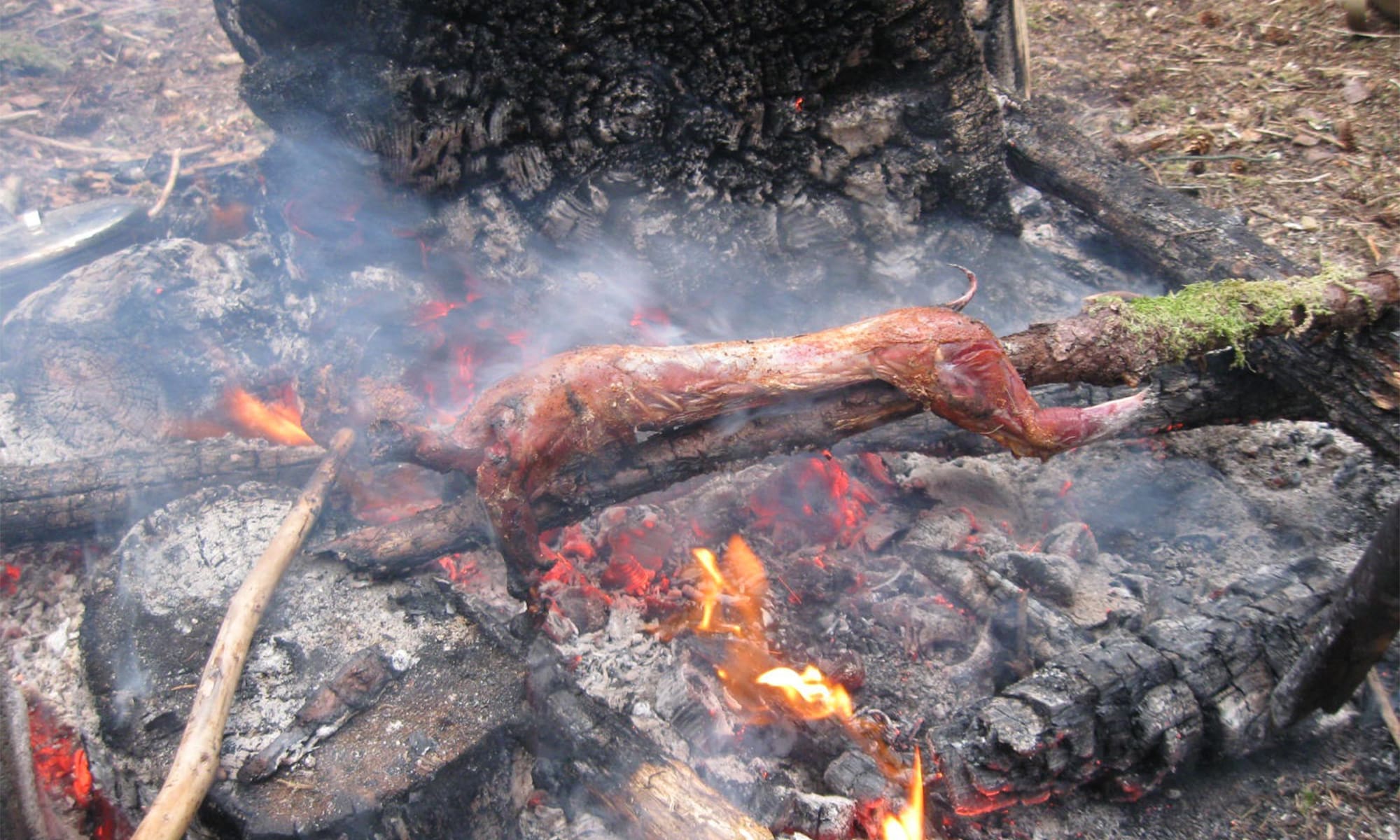
You can go three weeks without food, which would not be enjoyable, but it drives home the point that food is secondary to water.
Think of acquiring food as a target of opportunity after you’ve stabilized the situation and firmly established your shelter and water. Food boosts your morale, builds confidence, and helps suppress those initial hunger pangs.
Now, don’t walk past a patch of blueberries or an unaware grouse if the opportunity presents itself, but there’s likely no need to set up snares or a trout line and waste your limited energy. I do, however, carry some thin snare wire or a fishing kit in my Possibles Pouch, as it’s good to practice these primitive methods of food collection on a backpacking trip to a high lake or while scouting before the season.
You’ll likely rely on what food you have in your pack, but an electrolyte drink mix, energy chews, or a high-calorie food bar stowed in your Possibles Pouch will provide you with some emergency rations.
Fire
Fire is a luxury in the backcountry and is not your top survival priority. The fact is, you can't always make a fire that provides life-giving warmth in all conditions, and this realization can be sobering.
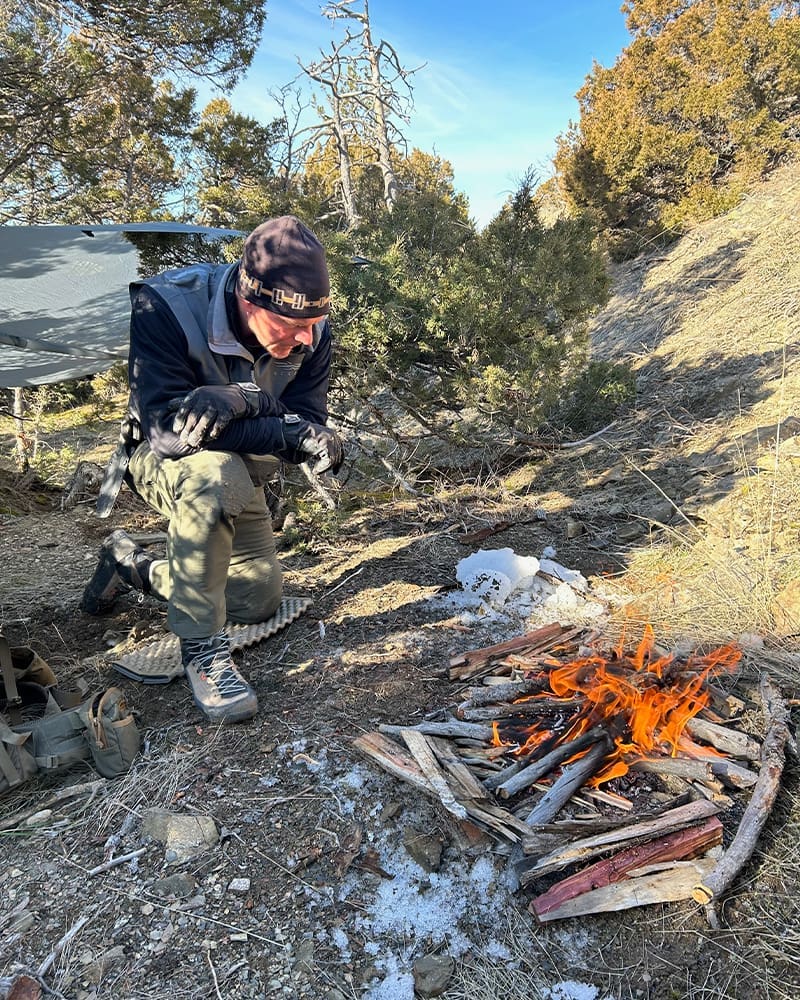
Most of the fires we start in the wilderness are for warming at a glassing knob or socializing while in camp in permissive weather, which can lull you into a false assumption of your fire-making capabilities. To strengthen your skills, take every opportunity to practice fire making in adverse conditions to ensure you're competent if your life or your partner's ever depends on it.
A fixed-blade knife with a 3-5-inch blade is sufficient for batoning wood into various sizes for a fire. Scalpel blades are great for caping but lack the durability and versatility of a solid fixed blade in your Possibles Pouch.
Commercial fire tinder or cotton balls soaked in Vaseline will ignite quickly and burn hot, giving you a realistic chance of starting a fire in wet or windy conditions. Natural tinder, such as dried moss or pine pitch, is a good backup, but not as effective or always available. Having multiple ignition sources, such as a disposable lighter, waterproof matches, and a ferro rod, will help ensure you can ignite your chosen tinder in most conditions.
Medical
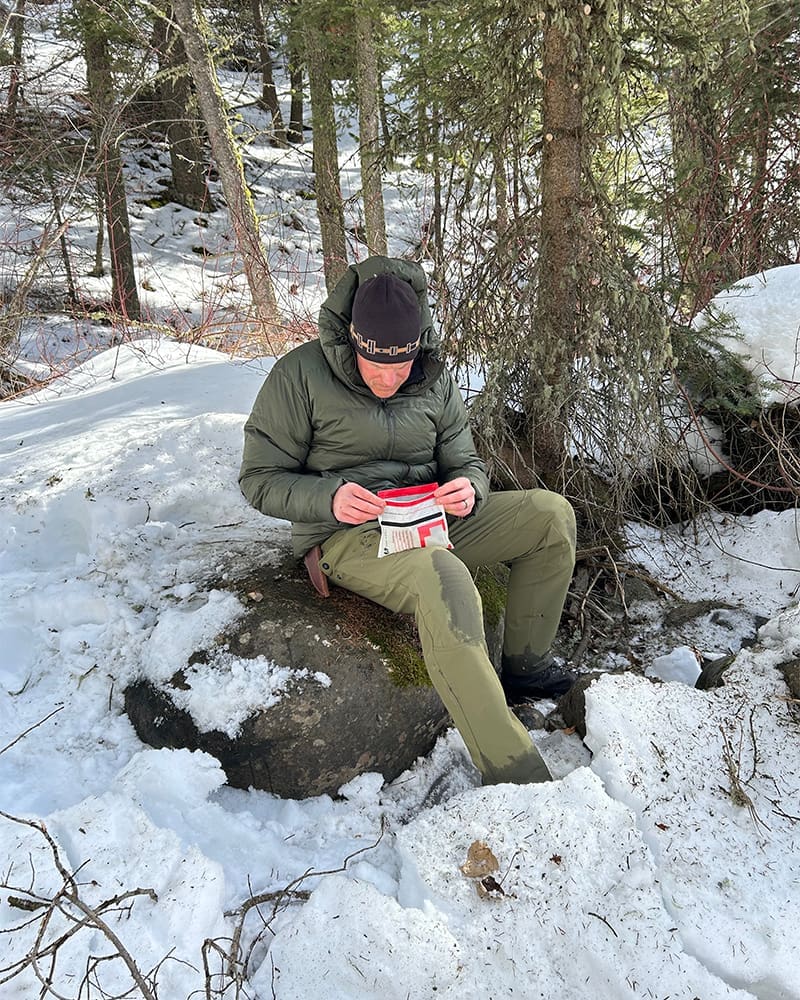
A backcountry medical kit should be small and tailored to manage common outdoor medical issues, like allergies, general aches and pains, blisters, punctures and lacerations, sprains, and even broken bones. There’s no need to carry sutures or airways if you're not competent to use them.
I encourage every hunter and their partners to take a backcountry medical course, such as Wilderness First Aid or First Responder, to ensure a core set of skills that will help inform the contents of your medical kit.
Signaling
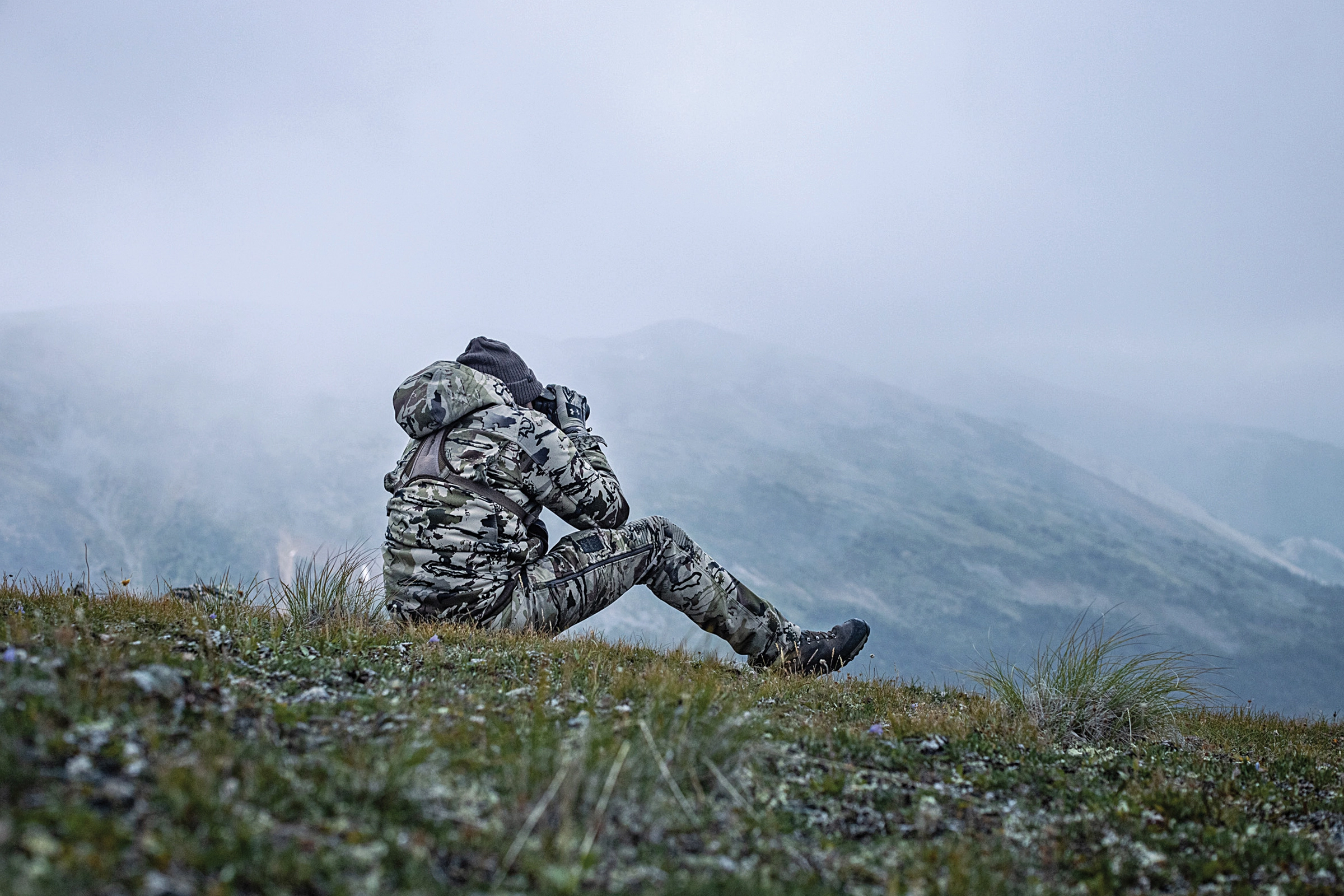
Having the ability to signal partners or rescue assets is an essential capability for the backcountry hunter. Today, we all have cell phones and sat comm devices, but electronics can run out of power, break, or be dropped into a river. A simple blaze-orange signal panel lets you identify your location for both ground and air rescue and signal while on stalks.
Other primitive signaling methods include reflecting sunlight with a signal mirror or blowing on a whistle. One more important thing to know is that the international distress signal is any combination of three. Three gunshots, whistle blasts, or small smoky fires will hopefully attract attention.
Repairs
Having some basic items in your Possibles Pouch for minor repairs can keep you comfortable and in the field. A leaky ground pad, a delaminated boot sole, or a broken trekking pole are all common occurrences. Although none of these issues on their own is a big issue, they can provide excuses to leave the field early and degrade your capability.
Duct tape wrapped around a trekking pole, Leukotape, super glue, Aqua Seal, baling wire, and a few electrical ties, along with a bit of ingenuity, go a long way with making in-field repairs.
Training
The dynamic mountain environment requires you to be self-sufficient, and the time you spend training for your hunt is an investment in your future success. Make it a habit to take your Possibles Pouch with you when scouting, training, stalking, and whenever you separate from your main pack.
In high-stress situations, your training will often determine the outcome. Challenge yourself in inclement weather to ensure you and the gear live up to the billing and won't let you down at a critical time. A well-built Possibles Pouch, combined with realistic training, will enhance your ability to endure the wilderness and improve your safety margin without weighing you down.
To learn more about backcountry survival, check out my course, Survival for the Modern Hunter, at www.outdoorclass.com
Website: www.knowledgefromstorms.com
IG: @jbarklow