NOTICE: Certain links on this post may earn a commission for Western Hunter Magazine from Amazon or our other affiliate partners when you make a purchase. Thank you for your support.
Livin’ On the Edge - Tips for Keeping Hunting Hounds Safe
Hunting with hounds is some of the wildest hunting you can experience. Hounds will take you to places you never would have gone if you weren’t following them, and put you in situations you might not want to be in. There are plenty of risks for a hunter, but for the dogs, every hunt could be their last if they aren’t careful.
During my fifteen years of hunting hounds, I have never lost a dog, but I’ve been lucky. I know many people who have and have heard the stories of how it happened. I’ve studied these events in detail in hopes of preventing tragedy from hitting my dog box.
Surprisingly, it’s usually not the dangerous game we pursue that causes these tragedies. It’s the overlooked things, or the mental mistakes of the dog handler, that make the difference between life and death.
Cliffs and Caves
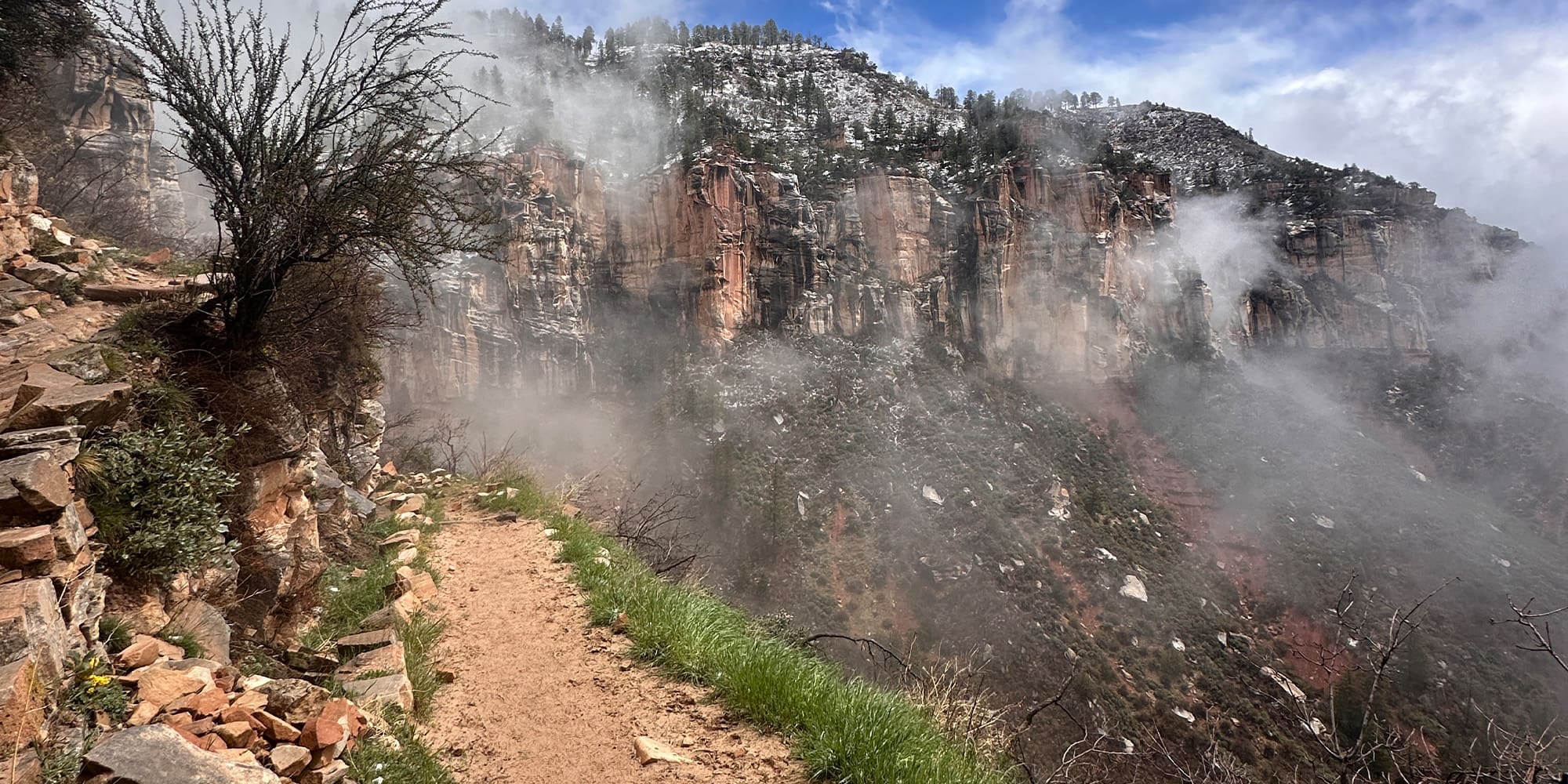
I have always been amazed at a dog’s ability to navigate terrain. During my hound career, I have witnessed dogs go up and down almost vertical faces, and it sometimes results in them getting stuck on a ledge. Multiple people I know have had to rappel themselves down to retrieve a dog.

Using ropes to rescue a dog should be the last resort. The dog got themselves into the situation and often can get themselves out of it, too. Sometimes, leaving or giving the dog a false impression that it is getting left can stimulate it to self-rescue. Try to call them out, leave them, and use ropes as a last resort to rescue the dog.
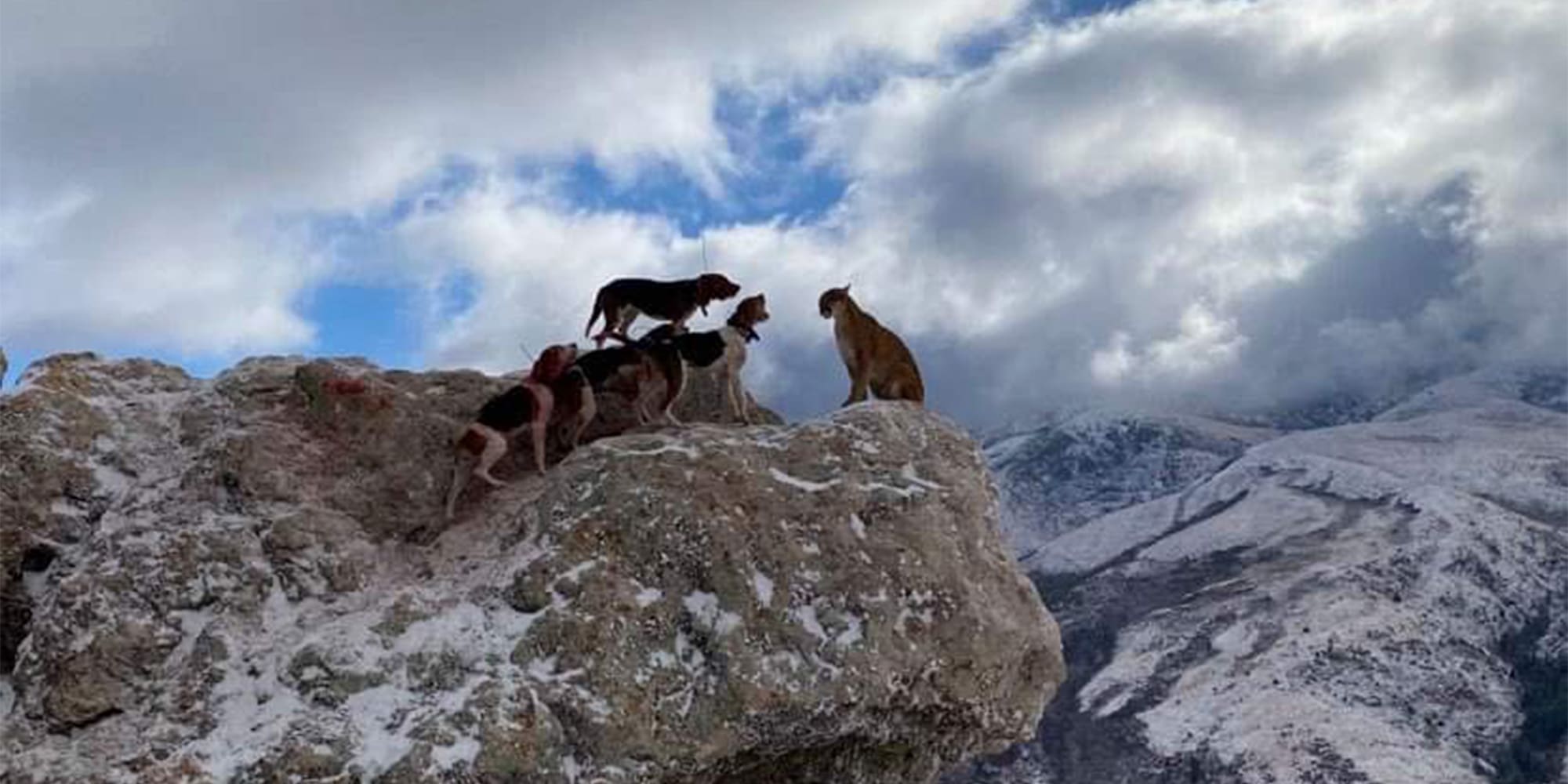
I know of two fine hounds that died from falling off cliffs. One chased a bobcat off a cliff in the dark, and another was killed by a mountain lion bayed up on a cliff. Because of these scenarios, I’ve established some rules for hunting in cliffy terrain.
Don’t turn your dogs loose at night in areas with cliffs and ledges, and don’t get too close to an animal bayed up on a cliff, unless you intend to kill it. Your approach may give the dogs a false sense of security, and they often try to make a heroic move.
The same rules apply to caves. If possible, stay back and call, tone, or shock the dogs back to you. If your dogs are unwilling to leave, you need to go in and get them. I know multiple people who have had to go into a cave to retrieve a dog. Their advice is to take a good flashlight, a good gun, and make sure to wear earplugs in case you discharge the weapon in a confined space.
Water and Ice
When an animal is being pursued, it will often cross water to try to throw off the dogs. I’ve seen dogs swim creeks, rivers, and lakes in baying pursuit of their quarry. This usually isn’t much of a problem until you put ice on top of the water.
The stories I’ve heard of hunters losing dogs through the ice typically sound like this: "The bobcat doubled back and crossed the ice before we could get there," or "The lion jumped and headed straight for the river." Unfortunately, it’s usually one of the best dogs that is out in front and has the tenacity to keep going.
Be aware of water in the area you are hunting and don’t underestimate it. Frozen water is a death trap for both man and dog. If there is a road near water, consider having someone stay in the truck and guard it. With modern technology, we should be able to intercept dogs if they head in that direction.
Tree Dangers
Being at a lion or bear tree can be a dangerous place, and it’s good to have a plan before it happens. Everyone in the hunting party should understand that plan before you turn a dog loose. I consistently see people get tunnel vision and make poor decisions when distracted by an animal at a tree.

The plan should start with removing any dogs that fight from the pack. I’ve heard of multiple dogs that were killed at the tree by other possessive, fighting dogs. If someone has a problem with that, then you should go your separate ways.
When you approach a tree with an animal in it, you should do it slowly and quietly, reading the animal’s body language. Give the animal the dominant position by coming in below or at the same elevation. Coming in above the animal often makes them nervous and results in a jump.
Check the dogs and make sure everything is OK. Much has happened since you turned them loose. I have seen or heard of dogs with wounds, broken legs, collapsed lungs, or with sticks impaled or caught in their mouth. Identify emergencies and mitigate them.
If you intend to shoot the animal, tie your dogs back away from the tree, and tie them well. No granny knots or dog leads that break when the animal comes out of the tree. Dead or wounded game doesn’t need to land in the middle of your dogs.
Highways
Hunting around highways is extremely dangerous. Animals often try to shake or confuse the dogs by crossing a highway, just as they would by crossing a river. The dogs may lose the track and linger on the side of the roadway, or back trail to the truck, leaving them susceptible to being hit by a passing vehicle.
Here are some tips for hunting around highways:
- Expect them to cross!
- Reduce the number of dogs you turn loose.
- Have a dedicated road guard with a GPS tracking device.
- If you park your truck along a highway, leave the tailgate down and your box open. If a dog comes back, they will often just jump in the box.
The world has lost a lot of fine hounds to the highway, and I’ve nearly lost some of my own. If you are going to hunt near a highway, don’t do it without a dedicated road guard who is following the race from inside the vehicle with a GPS tracking device.
Strangulation
One day, I was hiking my dogs up a canyon, trying to get a bobcat race started. I was free-casting my dogs and keeping tabs on them periodically as they hunted. Suddenly, I noticed my female hound had fallen behind. I called her, but she didn’t come. I toned her, but she didn’t come. I shocked her, but she still didn’t come. I ran back to find her near death with a snare tightened down around her neck. Fortunately, I was carrying a Leatherman tool and was able to get it off before I lost her.
In areas where traps may be set, it’s not uncommon to have a dog get caught in one. I know of multiple dogs that have died in a trapper’s snare. My advice is to pay attention to your tracking system and make sure to keep a pair of cable cutters in your pack. If you know someone is trapping the area, contact them and see if they are using snares, or don’t hunt there at all.
Wolves
Unfortunately, I know of a lot of houndsmen who have lost dogs to wolves. The wolves are here to stay, and if you want to run hounds in wolf country, that risk will always be there. Fortunately, the number of people losing dogs to wolves has been drastically reduced. This is partially due to the ability of hunters to shoot and trap them, but also because hunters have wised up and started hunting smarter.
Here are some things that can help keep you safe in wolf country:
- Reduce the amount of time between letting your dog go and making it to the tree. Consider walking tracks with the hounds shortening the length of the chase.
- Use a GPS tracking system to predict where the chase is going and stay as close to it as possible.
- Always hunt with at least two people, one to go on foot with the hounds and the other in a vehicle to cut distance if needed.
- Before you turn your dogs loose into wolf country, you should take every available opportunity to drive and survey the area for wolf sign. Drive roads to box in a safe area whenever possible, talk to other hunters, and keep tabs on where the wolves have been.

Wounded Animals
For whatever reason, when it comes to shooting at an animal in a tree, people tend to let their emotions get in the way of making a lethal shot. I have seen wounded animals come out of a tree many times, and how these circumstances are handled is very important.
Don’t allow yourself to get too excited in the moment. As mentioned earlier, having your dogs tied to a tree a short distance away will prevent them from immediately fighting with the injured animal. Take some time to assess the situation and have someone attempt to track down and recover the animal without the use of the dogs. Hounds can’t tree something that can’t climb due to injury.
When we decide to shoot an animal out of a tree, one person makes sure the dogs are safe and secure. The other stays with the shooter, ensuring they are calm and have a good angle for the shot. If the animal comes out alive, we have someone trail it until we’ve determined we absolutely have to turn the dogs loose again.
Conclusion
Sometimes it feels like there is nowhere safe to hunt. You can hunt more civilized areas with highways and snares, or you can hunt the back country with the wolves, caves, and frozen rivers. The bottom line is that hunting hounds is dangerous business.
From the moment we turn our dogs loose until we see them at the tree, we have little to no control over what happens. It’s imperative that we use our heads and make good decisions, controlling what things we can about the hunt. Use a GPS tracking system, have a plan, and minimize risk. We owe it to our dogs.