NOTICE: Certain links on this post may earn a commission for Western Hunter Magazine from Amazon or our other affiliate partners when you make a purchase. Thank you for your support.
Hard Lessons
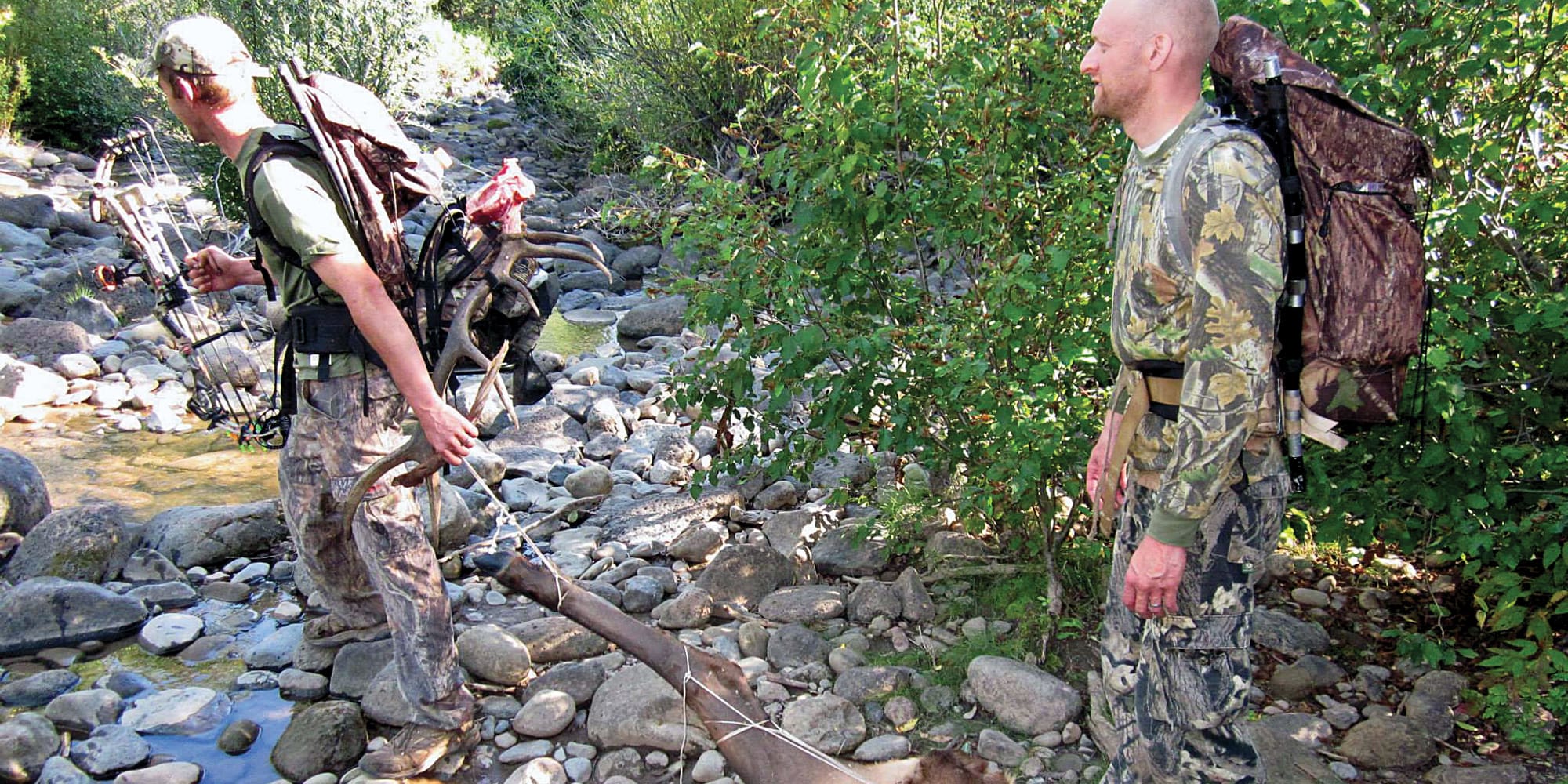
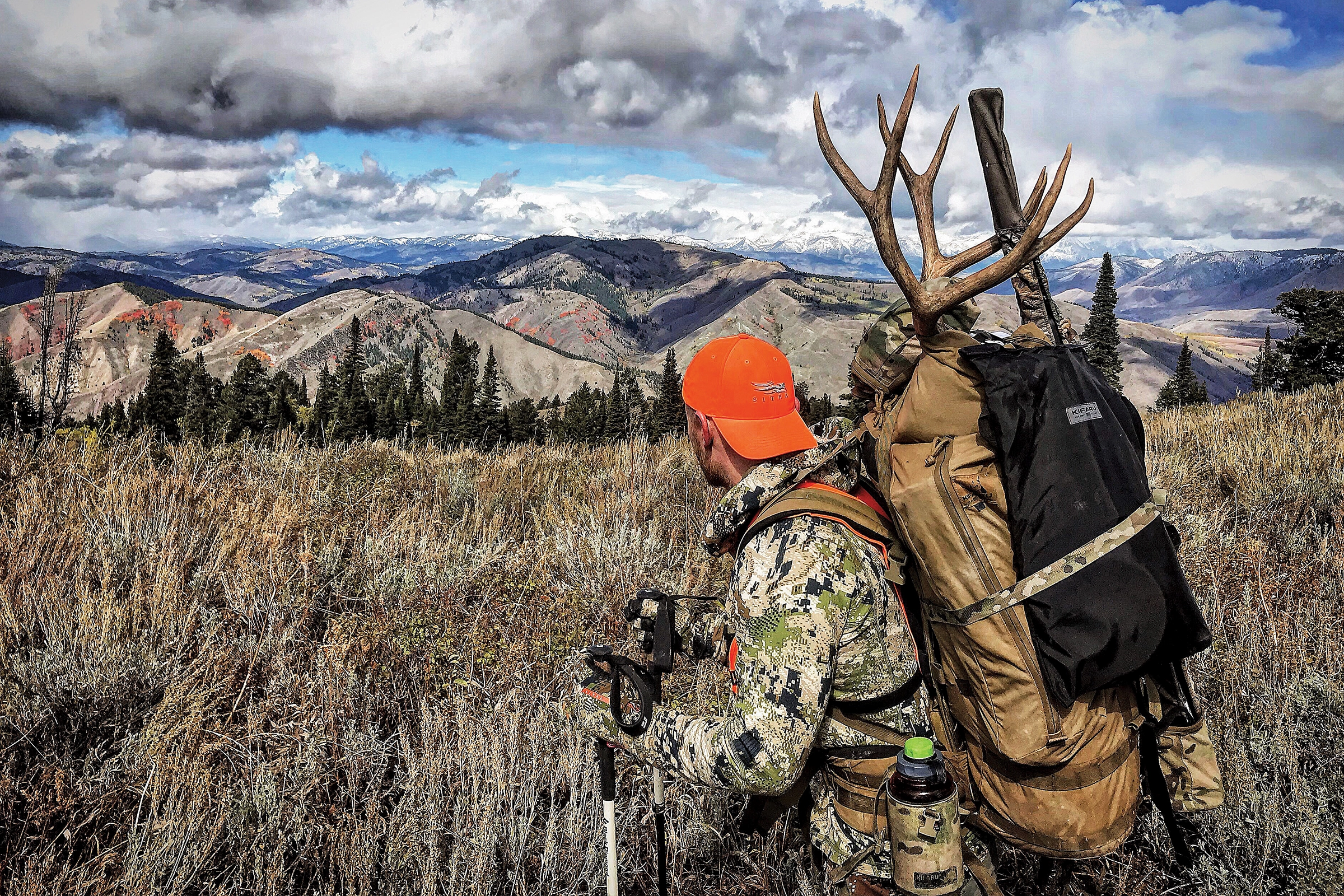
“Those who cannot remember the past are condemned to repeat it.” When historian George Santayana penned those words, he probably wasn't referring to elk hunting mistakes. Yet, after 20 years of DIY, OTC, out-of-state hunts, I have a long list of errors that still haunt me. Let me share a few of the most painful ones in hopes of sparing you from repeating them.
He'll Be Running Down the Mountain When He Comes
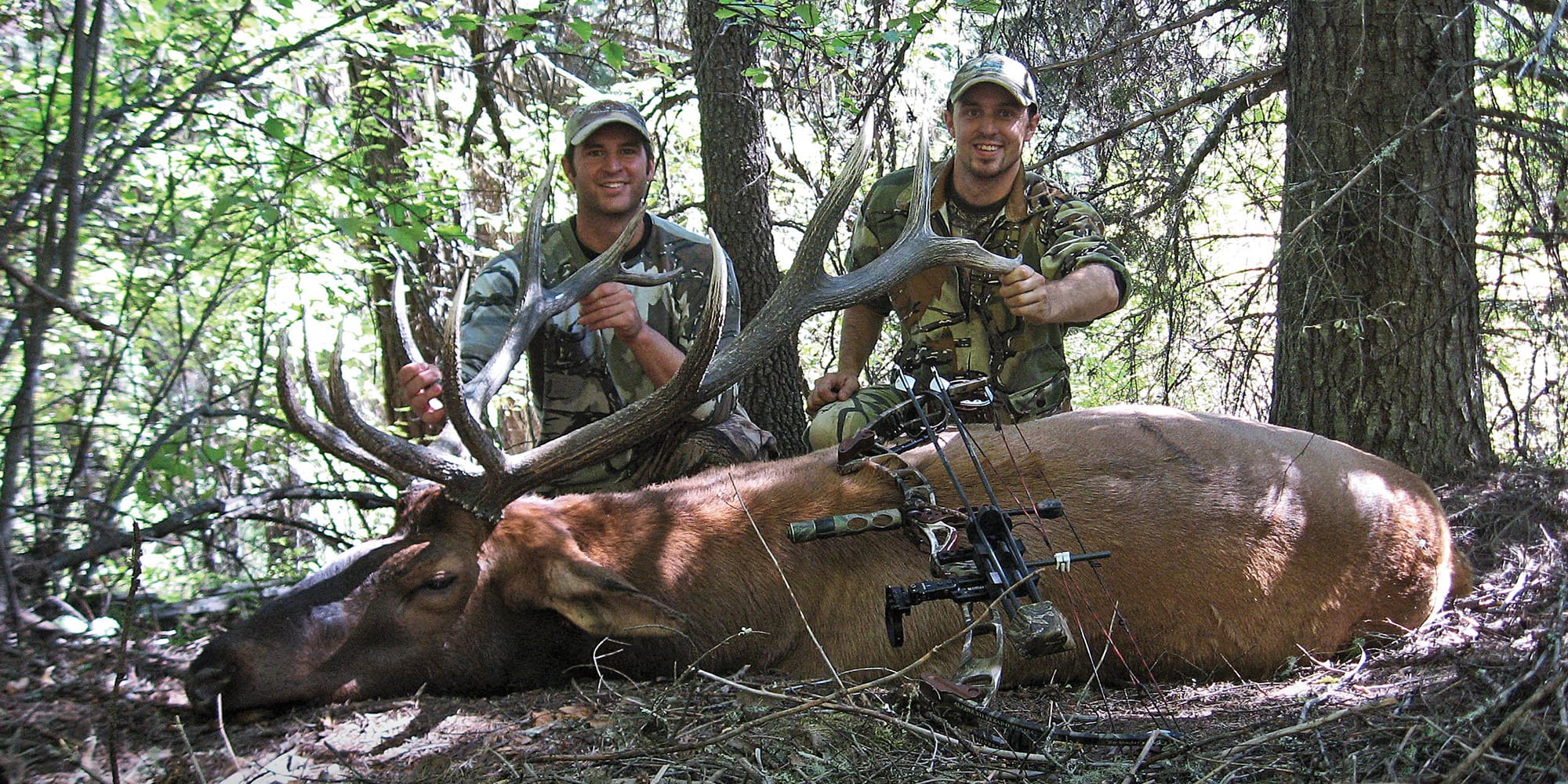
I shot my first elk in 2004 on my first hunt. After that, my goal was to get my dad an archery bull. One day, we turned up a bugling bull a couple of hours before dark. We chased him for an hour and a half, trying to redirect him with calling, but he stayed several hundred feet above us. Tired and defeated, we decided to leave him for the next morning.
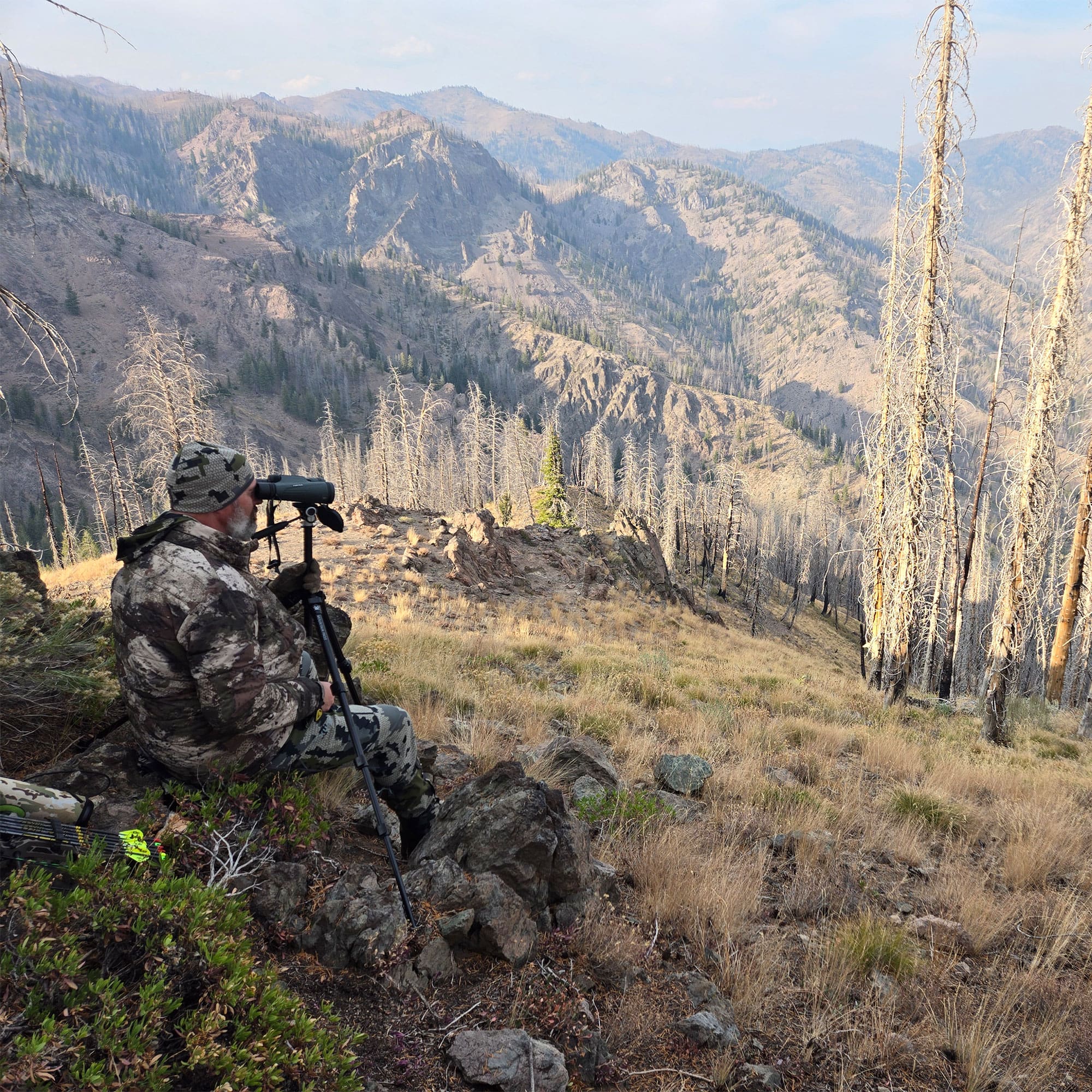
As we turned to go, we heard crashing above us–it was an elk. “It’s him!” I told Dad. “And he's running down the mountain toward us!” After all the chasing, the bull had finally had enough. “Get an arrow on!” I told Dad. “No, you shoot him,” he replied. “DAD, now!” By the time Dad readied his bow, the bull was within 100 yards and closing fast.
Then it occurred to me: This is stupid. We should BOTH have arrows ready. I quietly nocked my own arrow just in case. “Click.” The bull screeched to a halt at 25 yards. In the midst of his own hooves breaking brush, he had heard the faintest sound of my arrow nocking. After minutes of staring, he finally relaxed. “This is it,” I thought. “Dad’s gonna…” But before he could draw–CRASH, SNAP, POP–the bull bounded back up the mountain.
I’ve since learned to never underestimate how well an elk can hear when they’re actively searching for calls. Elk are used to noise, but when they’re coming in, even the faintest sound out of place can blow the whole encounter.
A Bull in a Lane Is Worth Two in a Bush
A few years later, on the last full day of a hunt, we tried a new area. I was sneaking through an open aspen stand with four-foot bushes scattered around when I heard antlers clicking ahead. I ducked behind a bush and nocked an arrow. Two small bulls were sparring 80 yards out, and soon another bull appeared closer, in a good shooting lane. I ranged him at 60 yards but decided to hold off as one of the other bulls was now approaching.
The sound grew closer and closer. I didn’t want to peek over the bush and risk being seen, so I waited. Then, instead of appearing to my right or left, the bull started walking directly through the bush I was behind and nearly stepped on me. Panicked, I drew, which spooked him. Within two bounds, I stopped him with a few cow calls. He stood broadside at seven yards. But now he was behind another bush. Confident I could thread an arrow through the bush, I shot. It deflected immediately and missed its mark.
The bull joined the others at 60 yards. Certain I could make that shot, I drew again, took aim, and shot. CRACK! At the apex of the arrow’s arc was a small branch I hadn’t seen, and the arrow deflected again. I watched all three bulls gather together and walk out of my life.
Even though I knew better, I put my hopes in luck rather than odds. I should have waited for a clean opportunity instead of forcing low-percentage shots. Even the smallest twig can redirect an arrow.
9th Inning, Bases Loaded
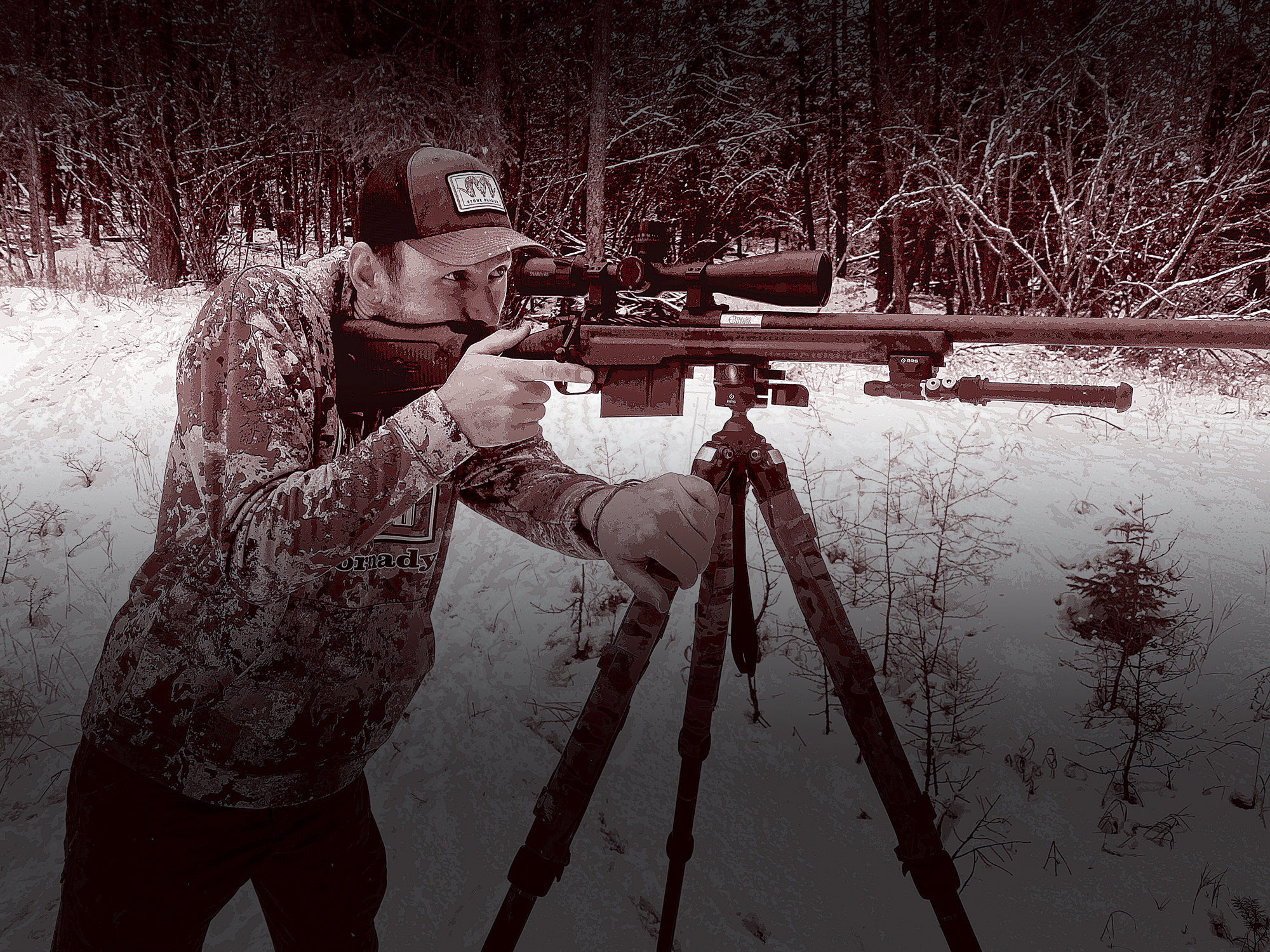
Years of mistakes taught me that success often comes down to small details, but sometimes, it’s just not meant to be. On a nine-day muzzleloader hunt, I’d already had a close call with a bull at 45 yards when my gun’s hammer wouldn’t cock. A complete fluke that I haven't seen before or since.
On the final morning, I heard bugles and hustled toward them before daylight. As daylight broke, I slipped closer and closer when, suddenly, a big 6x6 appeared in thick cover at 55 yards. Eventually, he turned and began walking into a shooting lane. Hammer cocked, I aimed, squeezed, and BOOM! The bull lurched forward and stopped, clearly hit. I could see blood in the crease of his shoulder. He stood, wavering back and forth, and I waited for him to crash. He slowly walked forward, and I feared reloading as he would certainly see me.
He slowly circled, stopping at 60 yards where only his antlers were visible. A flood of emotion overwhelmed me as I waited for him to expire, as it had been an extremely hard nine days. As I reflected on the hunt, I noticed a concerning dilemma: the wind was shifting toward him. I debated whether I should try to sneak closer for a finishing shot. Too late. Breaking branches already told the story of my bull's departure. Hours of waiting and more hours of searching turned up nothing, and I never saw that bull again.
Looking back, my mistake was prioritizing long-range accuracy over energy. My load still met the 1,500-ft-lb minimum for elk, but it wasn’t a max load. Given the thick terrain, a 200-yard shot was unlikely. At 40 yards, I needed maximum energy and cavitation, not flat trajectory.
If I could do it again, I’d run max loads and simply know my effective range. Elk are unbelievably tough. When they walk away from seemingly mortal hits, I suspect it’s often because of lower impact energy combined with an unmatched will to survive.

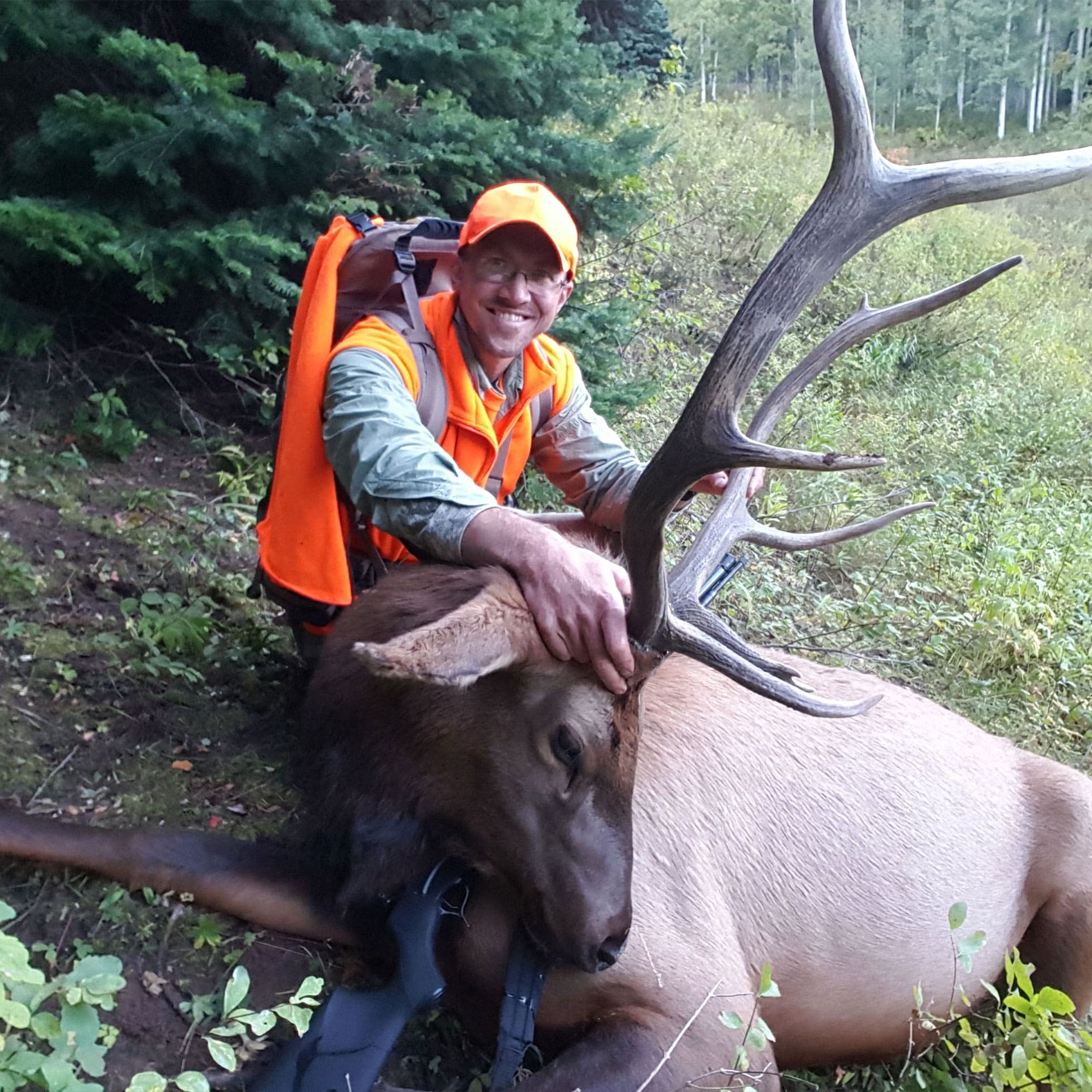
Mistakes sting, but they do prepare us for future successes. On another hunt, with only three days left in a muzzleloader season, my friend John and I stumbled into a meadow just as a bull and cow appeared. John called, and the bull came charging. At 45 yards, quartering slightly, I steadied my sights and squeezed… BOOM! His leg buckled, and he dropped within 80 yards.
Would I have gotten that bull without the prior failures? Maybe. But those mistakes made the success that much sweeter.
It’s been said that if we dwell on the past, we cast a shadow on our future. I believe that’s true, and yet I also think Santayana was right. I don’t want to dwell on my mistakes, but I do intend to remember and learn from them. I hope you can too–and avoid the pain that comes from making the wrong decision in the moment of truth.