NOTICE: Certain links on this post may earn a commission for Western Hunter Magazine from Amazon or our other affiliate partners when you make a purchase. Thank you for your support.
Made In America: Defiance Machine - Precision Born of Montana Grit
When I started writing these “Made In America” articles, giving a tip of the hat to exceptional brands of our industry who manufacture their products here at home, my goal was to tell the story of these companies to give our readers a better understanding of who they are and what they stand for. To me, that sort of stuff means a lot when I’m deciding where to spend my money.
With each company that I’ve gotten to know, the brand story changes. For some, it’s the people, the culture, and the years of experience. For others, it’s the meticulous manufacturing process, the founder's vision, the years of experience, the technology, and the countless hours of testing. When I stepped into Defiance Machine, however, I was hit with something altogether different. While their technology, their processes, and their culture are clear pillars of their success, the heart of this company runs on ingenuity, standards, and hustle.
Pulling into the parking lot of Defiance Machine, you could be forgiven for not noticing it was there. Columbia Falls, Montana felt like both the most unlikely place for an action manufacturer to be–and the perfect place at the same time. Its scenic rural beauty and outdoor culture play into both of Defiance's strengths and obstacles (more on that later). While the facility's footprint was large and the building spotless, there were no giant signs or flags announcing Defiance to the town. Instead, it stands as a business that pours more of its energy into its machines and the people operating them than into talking about it.
As I walked through the front door, I was welcomed right away by the business manager, Sandy Hawkes. After a quick sign-in, General Manager Chad Triolo began walking me through each area of their facility. Right off the bat, I felt a sense of family amongst their team–as if the glue that held their culture together was the industrious hum and machining odors of their work. With each stage of the action-building process comes different machines, skills, smells, and sounds: the high-decibel bite of steel being cut, servo motors humming, pneumatic hissing from air hoses, and the oddly comforting smell of coolant and burnt materials.
Chad introduced me to each machinist operating their stage of the process on the floor. There wasn’t a single person I met who didn’t blow me away with their background, responsibilities, or time working with Defiance. What began to take shape for me was that Defiance wasn’t just about the machines they were running–it was about how those machines are run, by people who live and breathe hunting, shooting, and building precision equipment at an elite standard.
Defiance Machine was founded in 2009 by Glen Harrison. Like so many great American companies, Defiance was built by someone who wasn’t satisfied with “good enough.” Having built three rifle action companies in his career before Defiance, Glen believed that technology and design knowledge had reached a point where consistency could be taken to a new level, and Defiance was created to prove it.
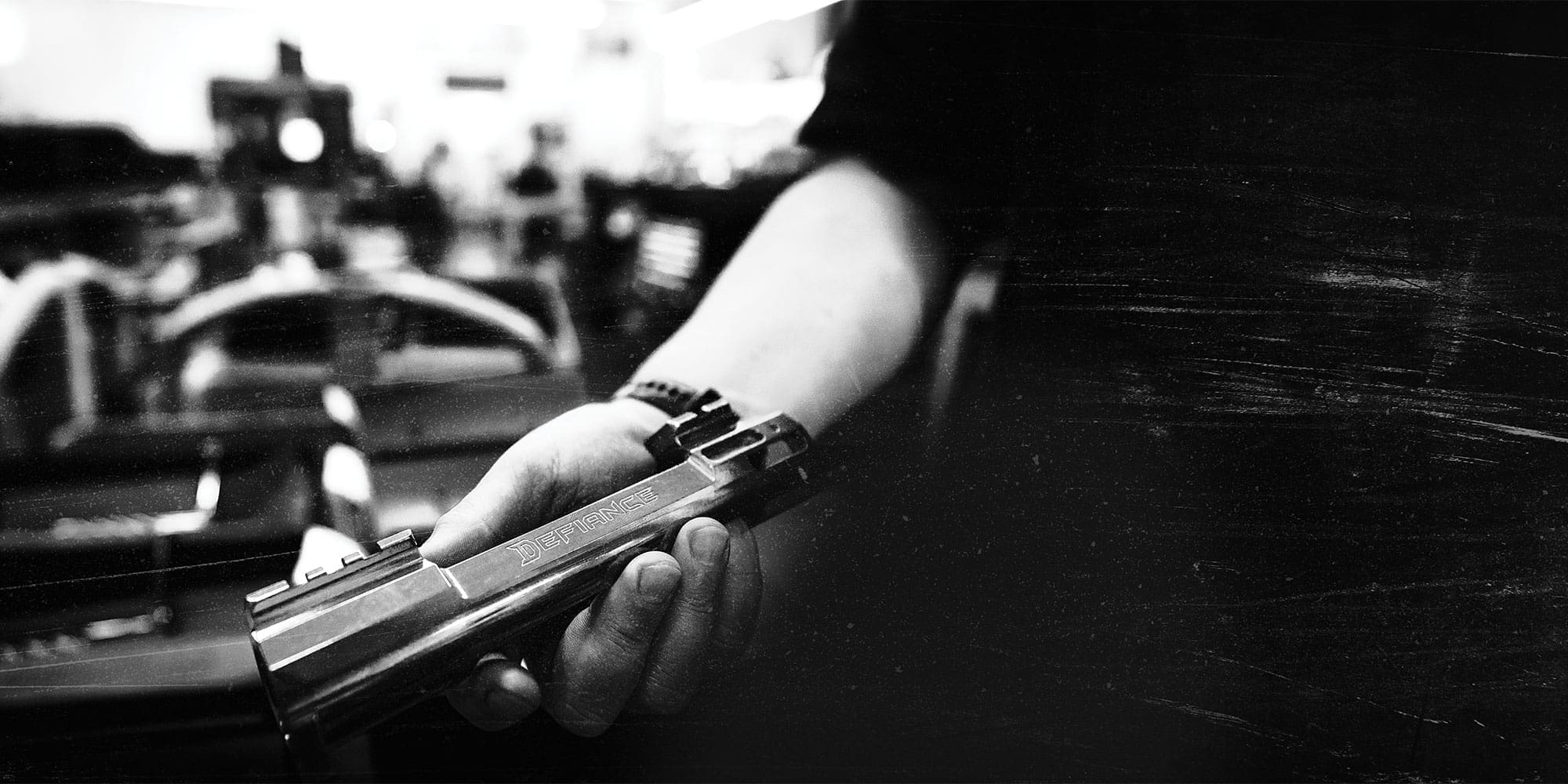
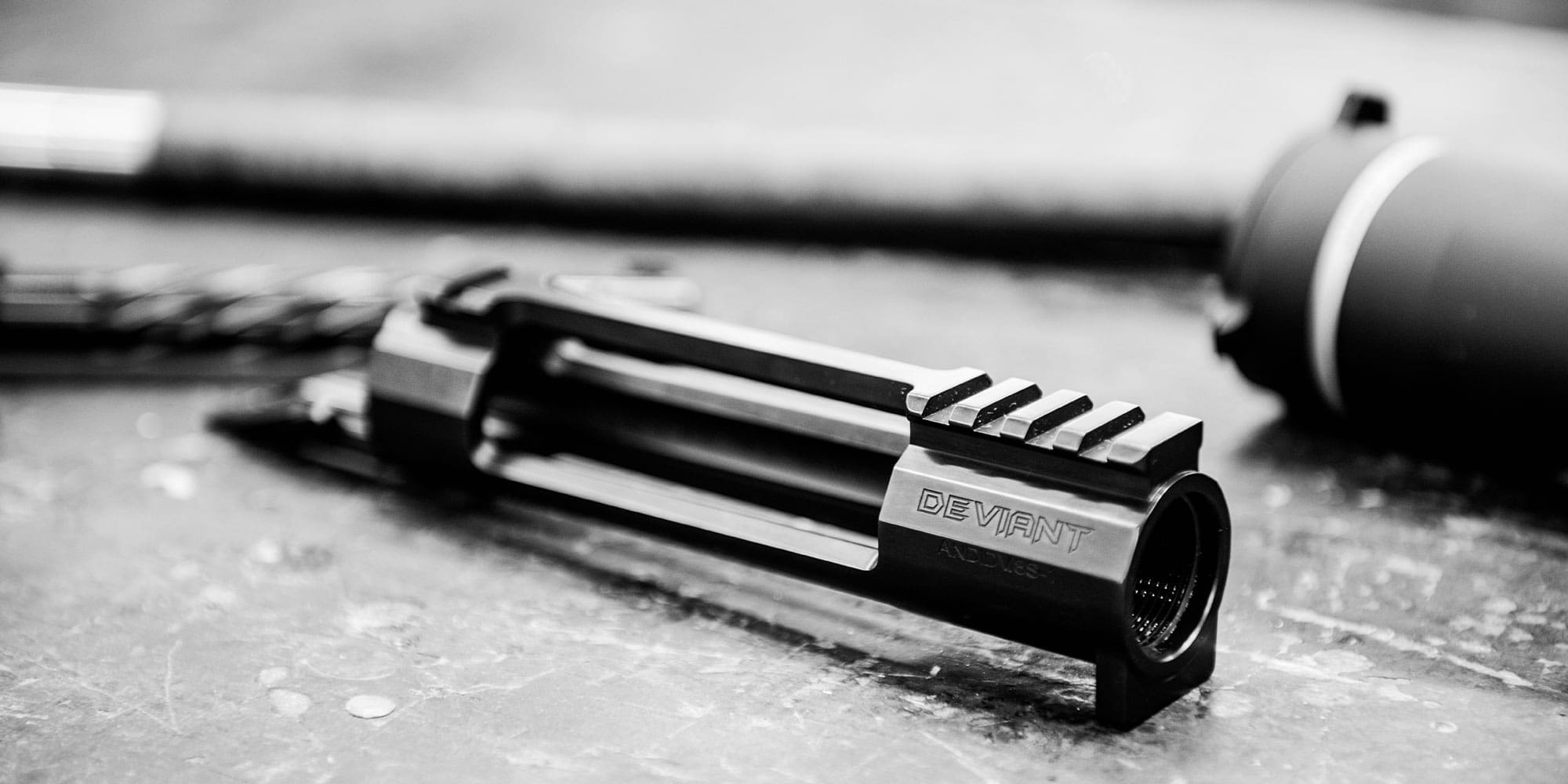
His mission was to produce premium repeater actions with benchrest-level precision, to offer numerous feature options for flexibility, and to do it all with the tightest tolerances in the firearms industry. The first action model Defiance developed was a round-bodied, Remington 700-style action called the Rebel. Soon after was the Deviant, featuring an integral rail and recoil lug–a defining innovation that set a new standard for custom actions.
Redefining standards is how manufacturers move from good to great, and Defiance accomplished this with the development of their Ruckus model. This breakthrough allowed barrel makers the ability to initiate guaranteed-headspace products (barrels paired with actions, resulting in the correct headspace for safety and consistency). The precision-based consistency of Defiance made this possible and opened a new level of performance and trust for rifle builders and shooters. While the Ruckus model action was the first to offer guaranteed headspace, today all but four Defiance models include it. Still, the Ruckus name has become synonymous with precise dimensional repeatability for gun builders.
So, what sets Defiance actions apart from others in the market?
First, the technical side–in the most practical and layman's terms I can manage (I’m not a machinist, so I won’t be using terms like “parametric programming"). Defiance actions were designed by a person deeply experienced in the timing and tuning of an action. In short, a lot of design attention was paid to all aspects of ignition control–the split-second orchestration of parts that happens when you pull the trigger. That focus translates not only into the smooth feel of the bolt but, most importantly, into what happens when you pull the trigger. Most other action manufacturers, by comparison, tend to prioritize aesthetics, mass production considerations, or cost efficiencies.
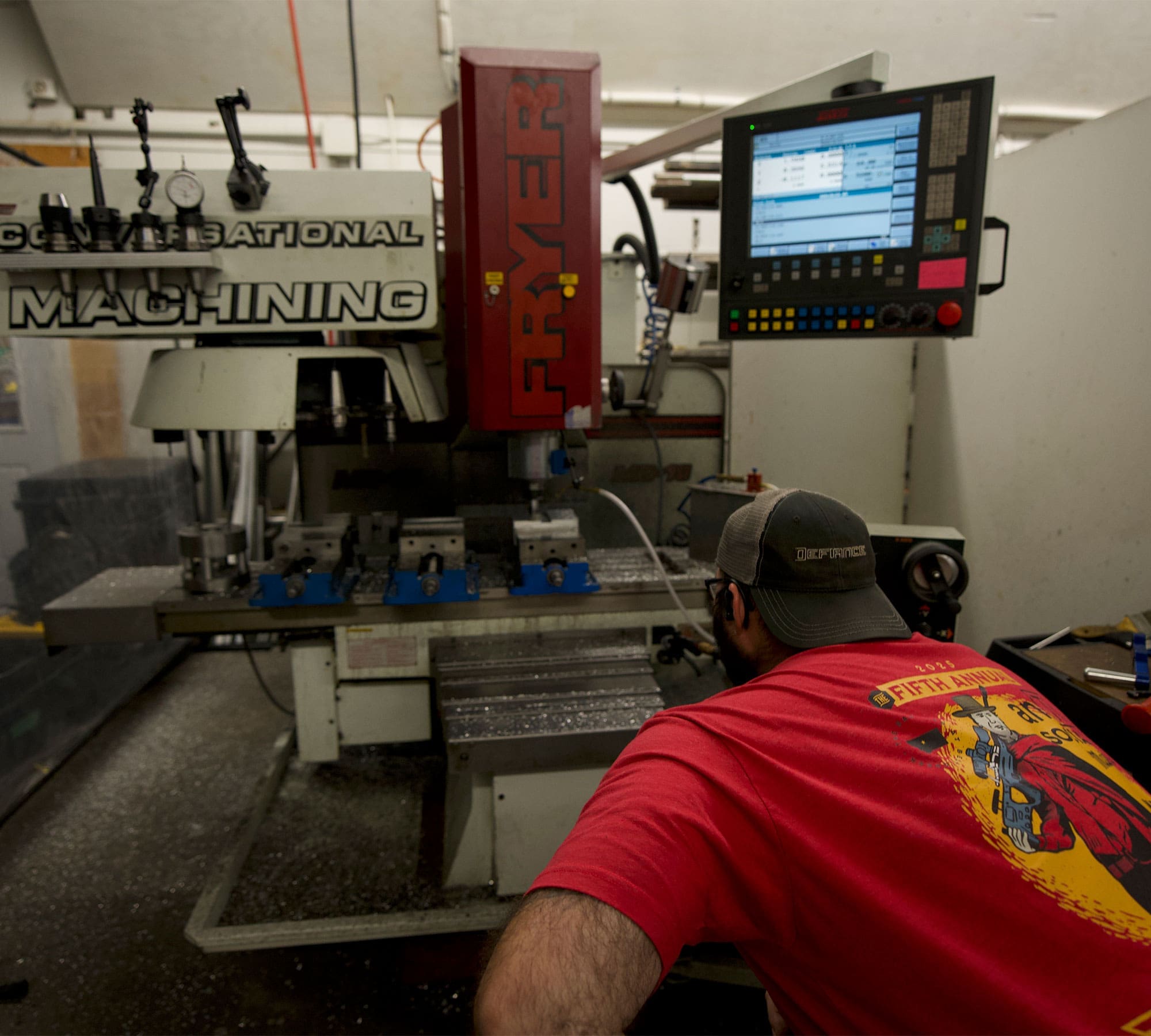
Secondly, I’d argue it’s human ingenuity–an aspect of machining that blows me away and is the least-understood part of precision machining. It’s the meta-craft (for you gaming nerds) or simply the building of tools that build the tools (for simple dudes like me). In a shop like Defiance, the work isn’t as simple as dropping raw steel into a million-dollar machine and pressing “go.” Every precision part depends on a web of custom fixtures, jigs, and tools–most of which have to be designed and built in-house before a single action ever takes shape. In other words, the machinists are constantly inventing the parts that make the parts. It’s a level of craftsmanship most people never see, but it’s where true precision begins.
From its inception, Defiance has been committed to hiring a smaller number of great people rather than filling positions quickly. That philosophy has built a small but incredibly capable team that takes pride in what they do and in how well they do it together. Speaking from personal experience, getting people across departments to think cohesively is an ever-present challenge. Here, it feels like a collective standard.
At the beginning, I mentioned how the remote location of Columbia Falls, Montana both contributes to the success of and presents obstacles for Defiance. Starting with the positives, I’ll let General Manager Chad Triolo speak for himself:
“There is no question that being in Montana is a huge part of what makes Defiance great. People in Montana spend a lot of time outdoors doing recreational activities. Every employee at Defiance hunts, fishes, camps, hikes, and spends considerable time outside in the beautiful Montana wilderness. It is part of who we are as a community. Being located in the northwest part of the US is a big part of our culture. The northwest is the region of long-range and challenging winds. The northwest pushes shooters to care about performance and premium quality. Necessity is the mother of invention. Shooters and hunters in this part of the US need quality gear to get results.”
Still, there are very real challenges that come with being nestled in such a remote place. Many of Defiance's staff come from outside of Montana–people drawn in by the company’s reputation and their desire to work in the firearms industry. There’s not a large population surrounding Defiance, and the national skills gap in specialized machining only widens the challenge.
Like any great company that views obstacles as opportunities, Defiance has leaned into this labor dynamic. They work closely with local machining programs at Capital High School in Helena, nearby gunsmithing schools, and maintain an exceptionally strong in-house training pipeline. Almost everyone starts in assembly, proving themselves before moving on to machine operations and eventually cross-training across departments.
The retention numbers speak for themselves. Several Defiance employees started in the first five years, and 50%–including all supervisors or managers–have been with Defiance for at least five years. In their own words, “The single greatest aspect of Defiance is the strength and ability of our people.” Not the technology, not the patents, not the marketing. The people.
If you ask me, there’s nothing more American than a business woven into the fabric of the community where it resides and which it serves. The people of Defiance Machine are hunters, shooters, fishermen, competitors, perfectionists, and proud Montanans who embody a get-to-the-point, no-BS, freedom-loving culture. They listen to their customers to shape product development, maintain an incredibly high standard of precision and consistency, and leverage hustle and innovation to get ahead–not shortcuts.
So, if you need somewhere or something to revive your faith in the American spirit, do yourself a favor and visit DefianceMachine.com to see their work. Better yet, talk to your gun builder about putting one of their actions at the heart of your next rifle.