NOTICE: Certain links on this post may earn a commission for Western Hunter Magazine from Amazon or our other affiliate partners when you make a purchase. Thank you for your support.
Left It All on the Mountain
There are hunts that fill the freezer, and there are hunts that change you. This one was the latter. Ten days in the Alaskan backcountry chasing rams that always seemed just a ring short, or an inch of curl shy. No shot fired, no tag punched, but everything left on the mountain.
I drew a limited-entry Dall sheep tag in Alaska. One of those tags that comes with equal parts excitement and dread. The kind that guarantees you’ll be in country that can break you if you let it. This particular unit was walk-in only. No planes, no shortcuts, just boots, legs, and a lot of willpower. It’s the kind of tag where, if you want to earn it, you’re going to bleed for it.
We knew there were good rams in there. Not a ton, but enough to make it worth it. The plan was simple: hike in a couple of days before the opener, find a legal ram, and when the season kicked on, be in position to make a move. It never really plays out that cleanly, but that was the thought. The weather forecast looked good for the first few days–clear skies, no wind, perfect for glassing. That’s a gift in Alaska. You take it when you can get it.
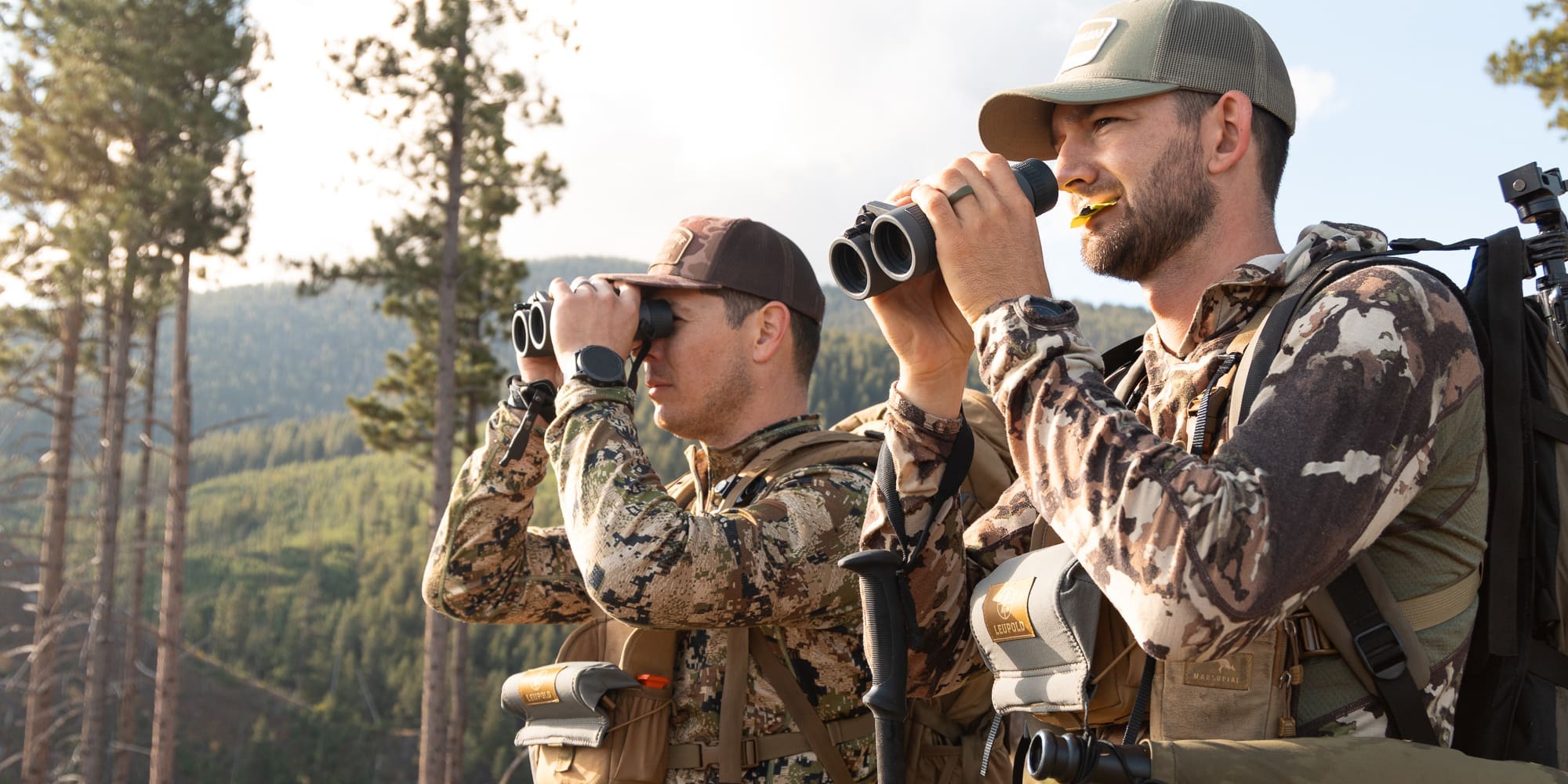
The crew for this trip was a good one. My buddy Bryson, Garrett, Tim, our guide, and Max, who was running the camera. Good friends, good hunters, and the kind of guys you don’t mind sharing the mountain with when it gets tough. The plan was to pack in deep, about a two-day hike, to where the older rams tend to hang.
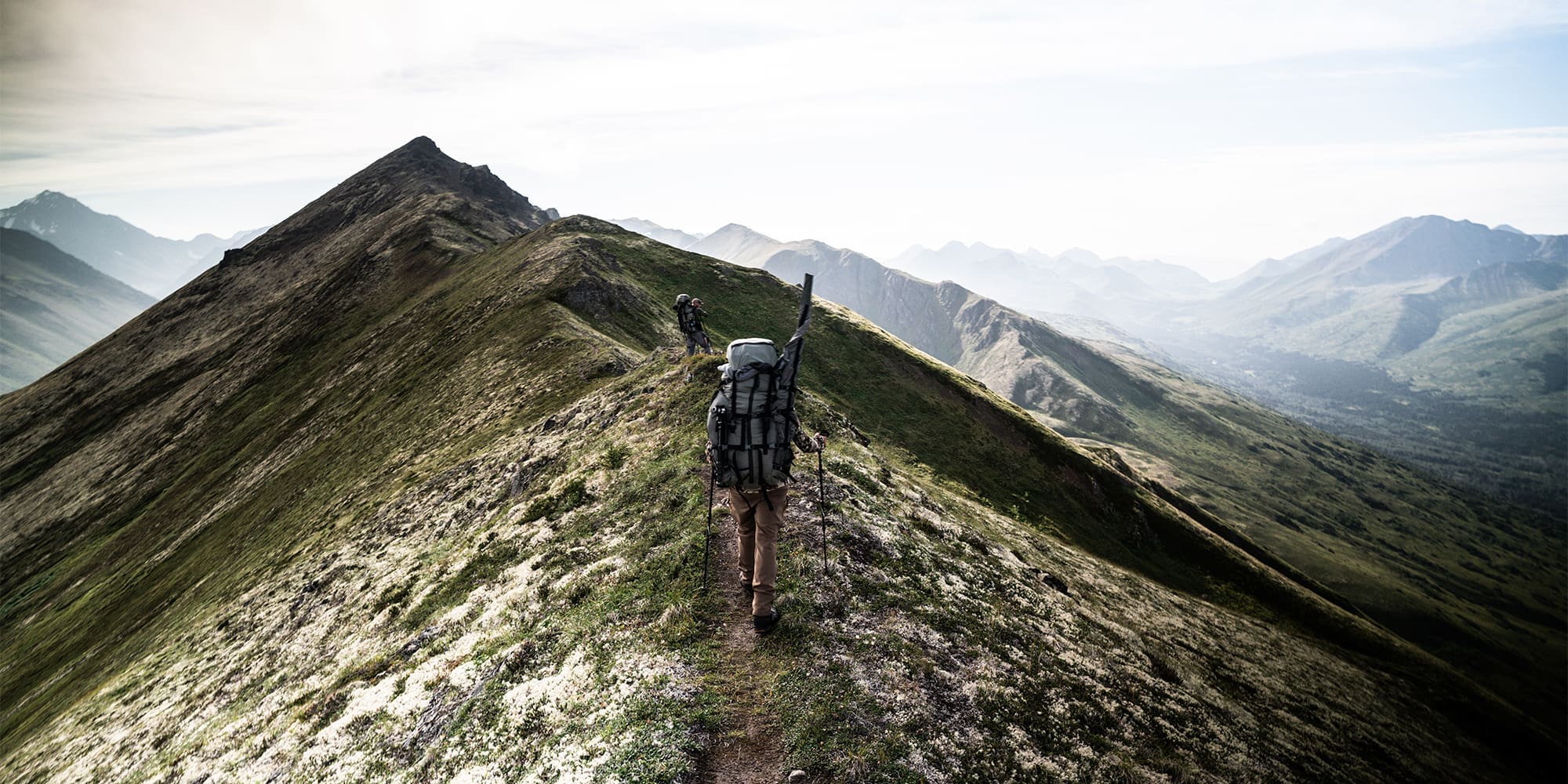
That first day was a gut punch. We climbed 5,000 vertical feet over eight miles, heavy with gear. Ten days of food, tents, rifles, optics, tripod, spotting scope, everything. My pack had to be close to sixty pounds, maybe more. You feel every pound when you’re side-hilling loose shale or pushing through brush. By evening, we were halfway in and had already glassed up close to twenty rams. None that looked legal from a distance, but still, seeing that many sheep right away gave us a shot of confidence.
The country was massive, the kind that humbles you quickly. Big glacial cuts, steep ridges, open basins that look close but take half a day to reach. You look across a canyon and think, “Yeah, we’ll be there in an hour,” and six hours later, you’re still climbing. By the end of the hunt, we’d tallied 41,000 vertical feet of climbing. That’s just the up. You’ve got to add the same amount coming down, and honestly, that’s worse. I used to bomb down mountains like it was nothing, but now I pick my way carefully, saving my knees, taking my time. It’s almost more exhausting controlling every step on the descent.
By the second evening, the weather started changing. You could see it building. Gray banks of clouds pushing in from the west, a dullness to the light. We knew what was coming. The forecast said the next stretch would be nothing but rain, maybe nine or ten straight days of it. In Alaska, that’s not just inconvenient–it changes everything.
That night, we glassed across the basin and spotted a ram about six and a half miles out. He looked close to legal, maybe full curl, maybe not. The plan for opening day was to check our basin first thing, and if we didn’t find something, bomb off the ridge, cross the river, and hunt the other side.
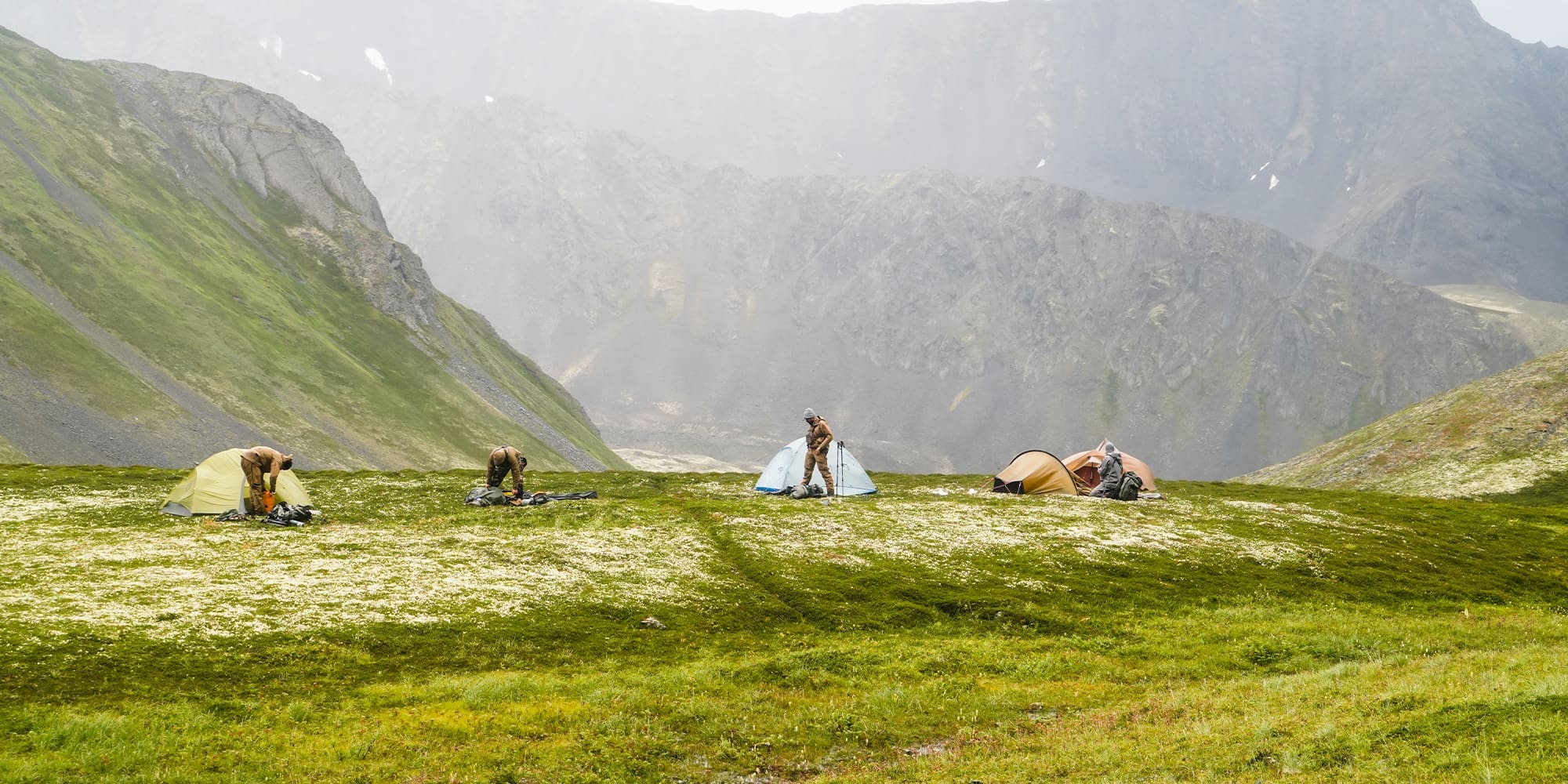
Opening morning came, cold and gray. We packed camp and made the move. By the time the sun (what little of it we saw) dropped behind the peaks that evening, we’d already stacked up a total of 15,000 feet of climbing for the trip. Still no legal ram. We’d seen one that looked close and camped nearby, hoping we’d get a better look the next day.
Then, the rain hit. The kind of rain that soaks through everything you own, that eats through your willpower hour by hour. We tucked ourselves under some big boulders near a creek, trying to stay dry, or at least keep the rifles and boots somewhat protected. There’s a strange comfort in moments like that. You’re cold and miserable, but you’ve got a place to huddle, a place to wait. You tell yourself it could be worse, and in Alaska, it usually gets worse.
The next day, it did. A steady, driving rain from daylight on. Most people would have hunkered down, but that’s not how I hunt. We were hungry. We wanted it bad. So we said screw it, and went out in it. Within an hour, we were soaked through, but that’s just part of it. You stop thinking about being wet after a while. It’s just your new normal.
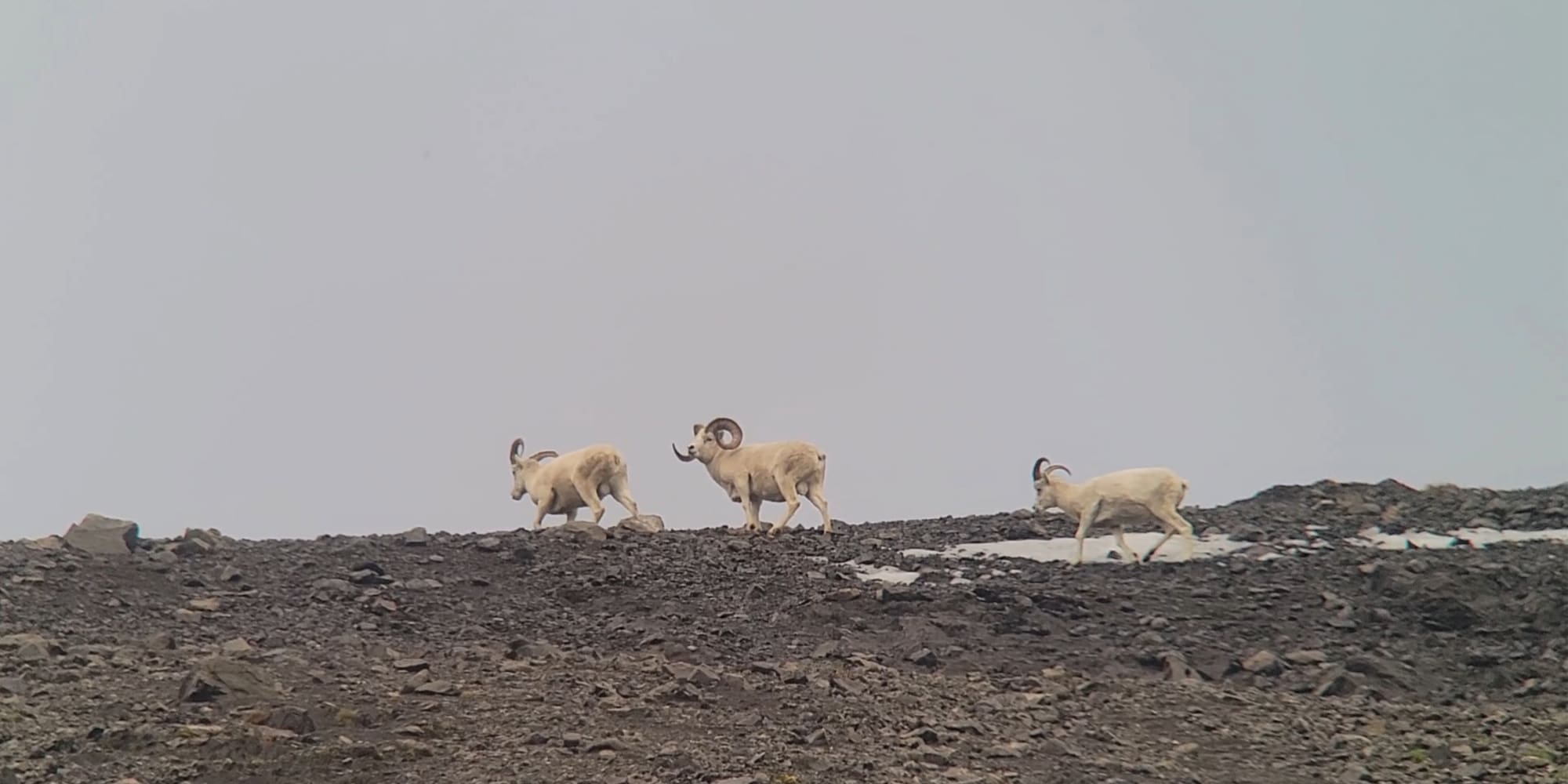
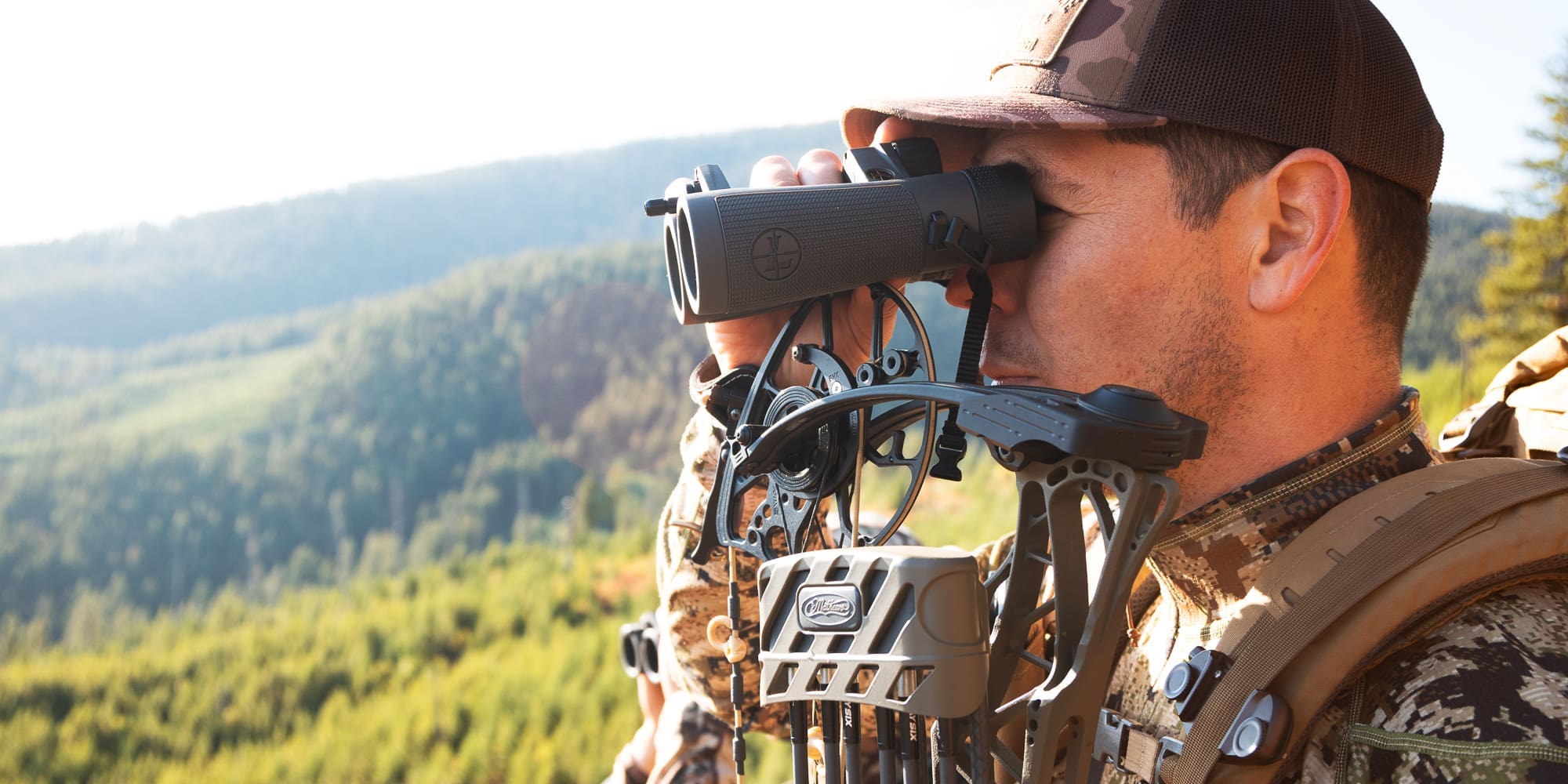
We found sheep that day. A group of rams, one around 400 yards out, skylined against the cliffs. We studied him through the spotter. Seven years old, just shy of full curl. Close, but not close enough. That’s how it goes sometimes. Everything looks perfect until you really start counting rings.
By the time we got back to camp, we were drenched and cold to the bone. I climbed into my sleeping bag wearing wet clothes just to try to dry them out overnight. It’s a trick that uses your body heat and sleeping bag to evaporate the water. It is wet and uncomfortable, but it beats putting on frozen clothes in the morning. My boots were sloshing with every step. There’s a kind of tired you reach out there that goes past physical. It’s mental. You just stop thinking and keep moving.
The next several days all bled together. Rain, wind, fog. Wake up in the gray, boil water for coffee, and start climbing. We’d glass a basin, find a few rams, climb over the next ridge, and repeat. Over and over. Every ram we found was close but not legal–seven years old instead of eight, not quite full curl, just short in some way. Over time, it grinds you down.
One ram up high in the cliffs looked promising. Probably old enough, but definitely not full curl. We waited all day, hoping he’d feed down where we could get a clean look, but he never did. We kept losing days like that–chasing maybes. At some point, you start thinking about time–about how many days are left and how far you still have to hike out. It’s a weird mix of determination and fear that it might not happen.
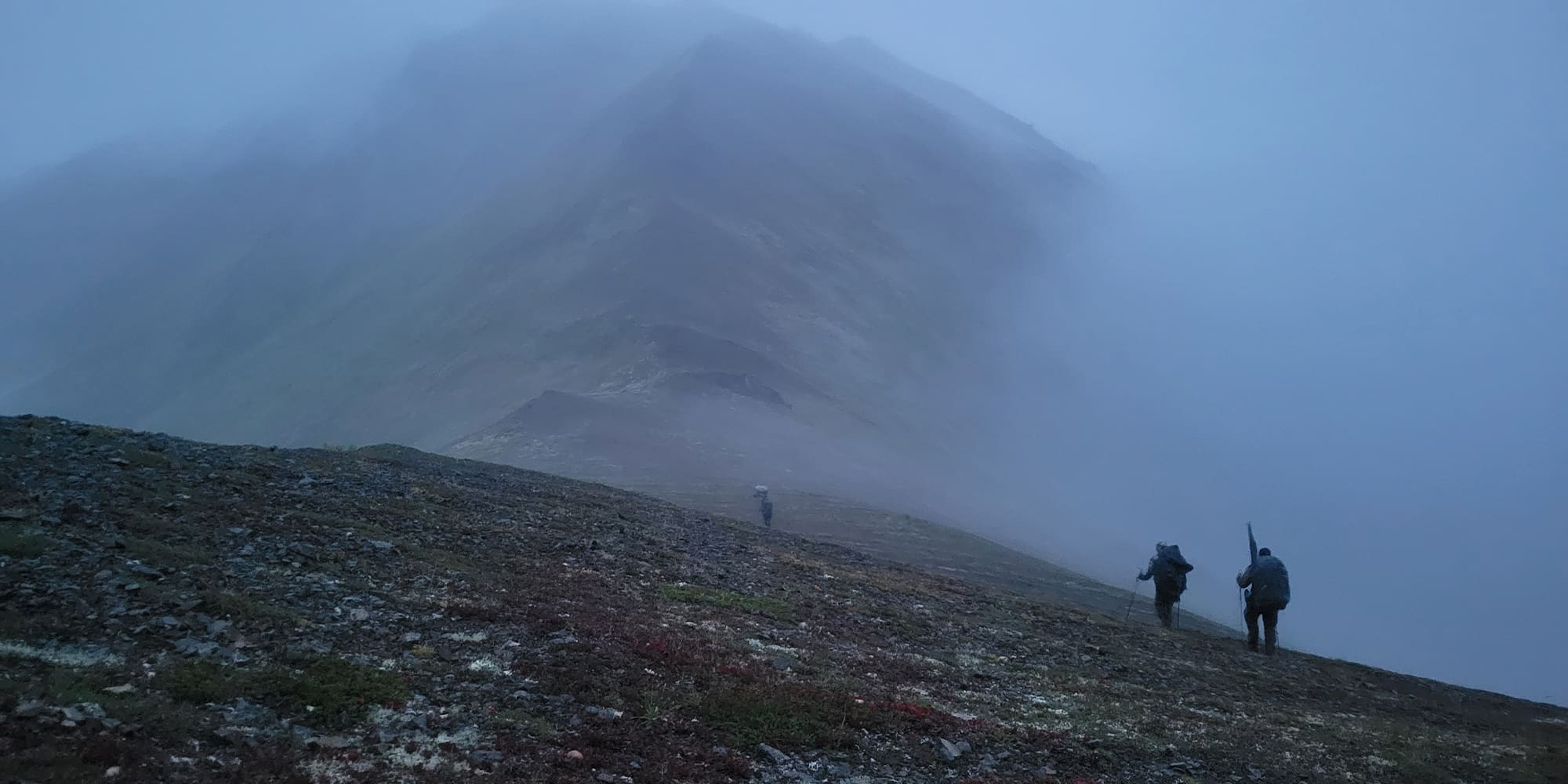
We decided to move again, deeper into new country. The weather wasn’t giving us a break, but sitting around wasn’t an option. We climbed another 5,000 feet that day, pushing ten and a half miles through terrain that didn’t want us there. By then, the rivers were swollen from the constant rain, turning every valley floor into a maze of mud and water. We started worrying about whether we’d even be able to get out.
Late that evening, as we were nearing where we planned to camp, I caught movement up on a ridge–700 yards away, a big, heavy-bodied ram. The kind you don’t forget. Massive bases, long horns, just a tank of a sheep. One of the biggest Dalls I’ve ever laid eyes on.
We dropped down, set up the spotter, and started studying him. From where we were, looking up at a steep angle, he looked full curl. But angles lie in sheep country. We needed to get level with him. So, we repositioned, crawling over wet rock and shale. When we finally settled in, we could see seven clear growth rings. The spacing was perfect. Then, suddenly, one big gap between six and seven. Maybe an eighth ring hidden in there under the hair, maybe not. I wanted to believe it was there. My gut said it was. But you can’t pull the trigger on a gut feeling.
I’ve seen what happens when people guess wrong on a sheep. I wasn’t about to risk that. I’d rather walk away than live with the thought that I took a sub-legal ram. So we let him go. It hurt, but it was the right call.
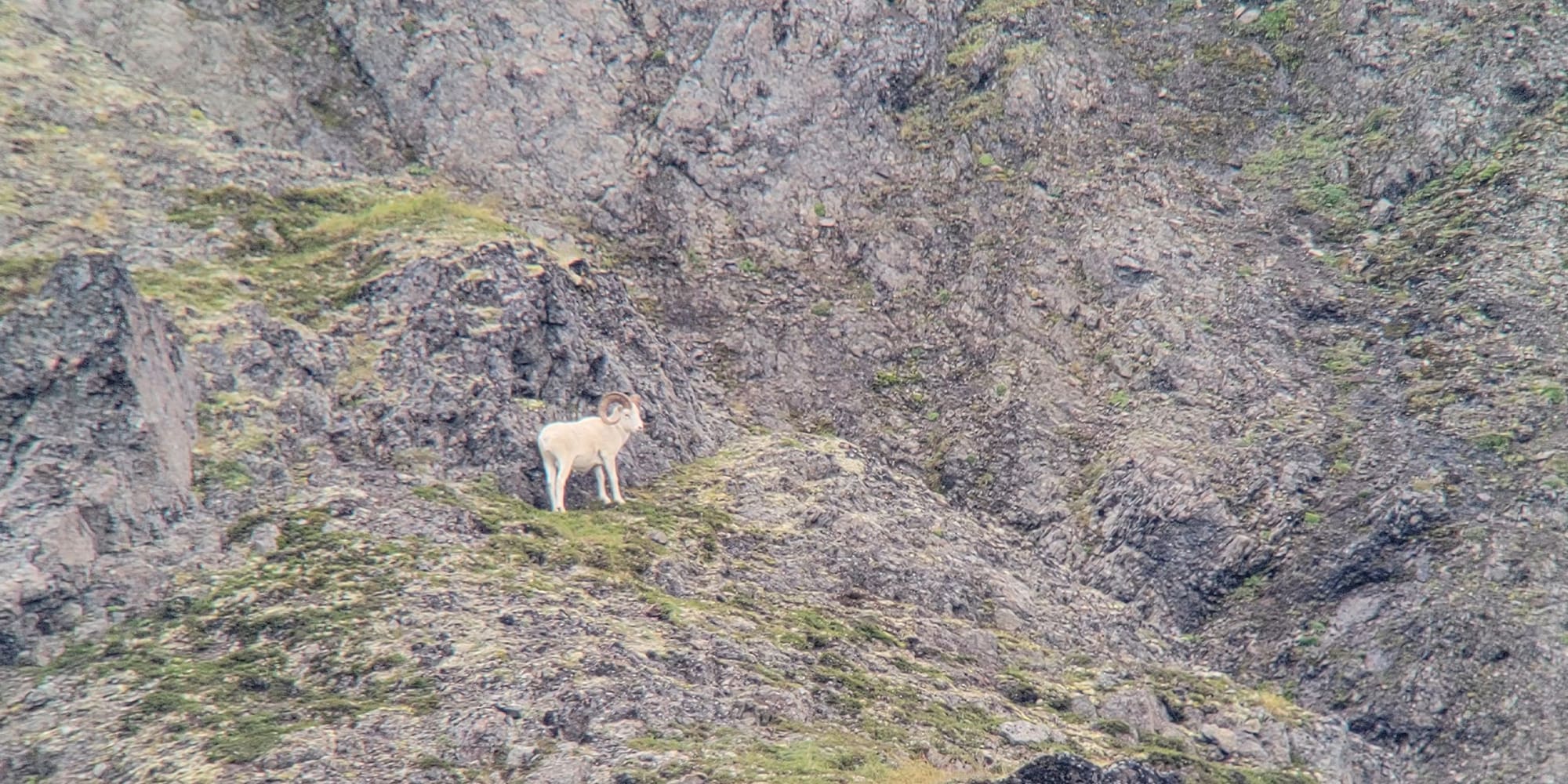
The next morning, we spotted another ram across the valley. Three, maybe four miles out. He looked good from that distance–one of those last-day hopes you can’t ignore. We decided to go for it. Crossed the river, climbed into another basin, and ran into bears along the way. Big, dark shapes moving through the rain. They were everywhere that trip.
By the time we got up high, the weather socked in again. Fog, rain, wind, the trifecta. We could barely see. We sat there for hours, soaked, waiting for a window. When it finally cleared, the rams had moved around the face of a big rock wall, out of sight but close enough to make a move.
We went for it. Climbed a shale slide, hearts hammering, closing the distance to 400 yards. The wind was howling but steady. I had a dead rest, crosshairs locked on the ram’s heart. Tim was on the spotter below me, trying to verify legality. We had seconds. I waited for the call.
Nothing. No confirmation. He couldn’t put the right age or enough curl on it. Then the ram slipped away over the ridge…gone.
That was the moment it all hit. The exhaustion, the miles, the wet. All of it. The biggest sheep of the trip, the last chance, and it was gone in seconds. Not legal, but close enough to haunt you.
We had a two-day hike out. Twenty miles through alder jungles and flooded valleys. The kind of terrain that breaks people. We hit stretches so thick that it took an hour to move a quarter mile. When we finally got into the lower country, it started raining again. No point camping. We just pushed through the night, headlamps cutting through the fog, feet blistered and swollen, packs digging into shoulders.
We walked out around midnight. I remember dropping my pack at the trailhead and just standing there, letting the silence settle. My feet were wrecked and swollen for days after. Everyone’s were. Ten days of wet gear, fifty miles of mountain, 41,000 feet of climbing, and no legal ram to show for it.
But that’s sheep hunting. You give everything you have, and sometimes the mountain still wins.
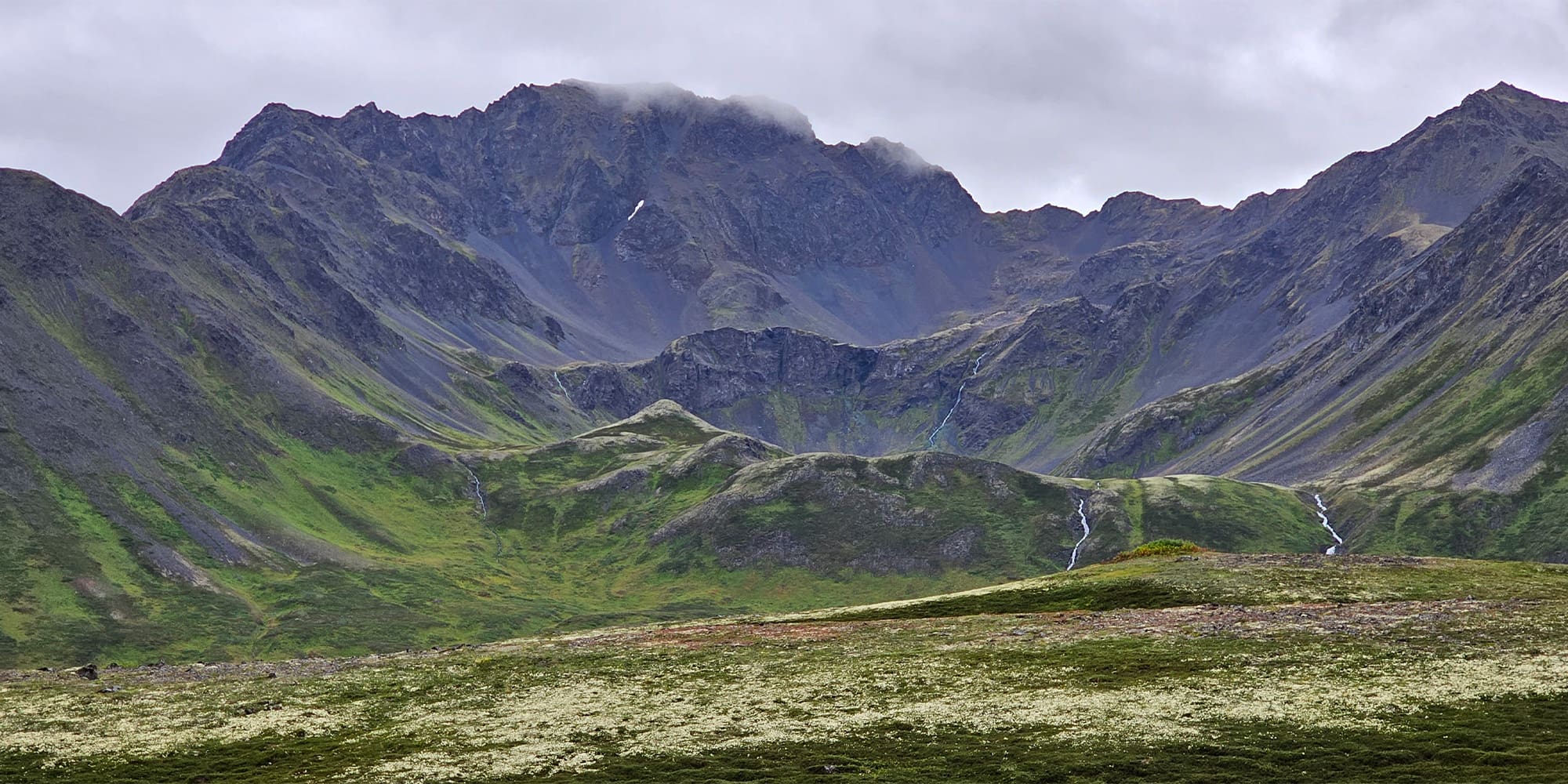
When you’re in it, you’re just going. No time to think, no room for self-pity. But afterward, when it’s all over, you realize what you just went through. It’s hard to explain to anyone who hasn’t done it. The misery, the beauty, the grind. It’s all wrapped up together. Most people would call it suffering. I call it the reason I keep coming back.
There’s something about that kind of hunt that pulls you in. It’s miserable, yeah, but it’s real. Every step, every decision, every moment… You earn it. You come back empty-handed, but full. You know you gave it everything.
I’ve been on easy hunts. Walk in, shoot, walk out. They don’t stick with me the same way. The hard ones–the ones that test you, break you down, and make you question why you’re even there–those are the ones that matter. Those are the ones you remember.
We didn’t kill a ram on that trip. Didn’t even see a legal one. But we covered the country, pushed through everything Alaska could throw at us, and came out the other side, leaving it all on the mountain.
And that’s enough. Because that’s sheep hunting.