NOTICE: Certain links on this post may earn a commission for Western Hunter Magazine from Amazon or our other affiliate partners when you make a purchase. Thank you for your support.
The Backcountry Blueprint
By: Mark Huelsing
The Essential Elements That Build Successful Backcountry Hunters
In an era of information overload, you could watch, listen to, and read an endless amount of content about hunting tactics, knowledge, and gear. (Case in point: you are reading an article in a magazine, written by someone who hosts a hunting podcast and also designs, manufactures, and sells hunting gear.)
What if you could move past all of the “hunting content” and ask real hunters what they have learned from their experiences of failure and success on the mountain? And what if you didn’t just get a chance to hear from a few of those hunters, but could hear from over a thousand of them?
If you could distill their successes, failures, and lessons into a framework, what would that look like?
We asked those hunters. We have those answers.
INSIGHTS FROM THE EXPERIENCE CHALLENGE
Earlier this year, we launched a unique project called The Experience Challenge. There is a lot to it, but in short, we had 1,500+ hunters sign up to complete a series of challenges over many months. Everyone who completes all of the challenges before the deadline is entered into a drawing to go on an all-expenses-paid Dall Sheep hunt in the Brooks Range of Alaska, and another to go on a Kodiak Mountain Goat hunt.
Participants expected the challenges to be difficult and include fitness, shooting, backpacking skills, hunting knowledge, and more. While we included all those elements in this multi-month Challenge, the very first challenge everyone had to complete was a surprise to most. The first challenge was to complete a detailed hunt reflection. Using very specific questions, this hunt reflection forced the hunters to evaluate their past experiences, their strengths and weaknesses as a hunter, the mistakes they’ve made, the reasons they have had success, and more. We took those in-depth responses from 1,500+ hunters and summarized the essential takeaways into The Backcountry Blueprint.
Webster’s Dictionary defines a blueprint as “a method worked out in advance for achieving some objective.” When building a home, the blueprint details the site plan, the foundation, the building structure, and the key systems that make the home functional. The purpose of the blueprint isn’t to show you the surface-level finishes and fixtures. Similarly, The Backcountry Blueprint isn’t concerned with surface-level details that so many hunters get distracted by. The Blueprint looks beneath hunters’ preferences, opinions, and brand affinity to reveal what truly builds a backcountry hunter.
If you want to become a more capable, confident, and successful backcountry hunter, here are the elements of The Backcountry Blueprint that you need to focus on building…
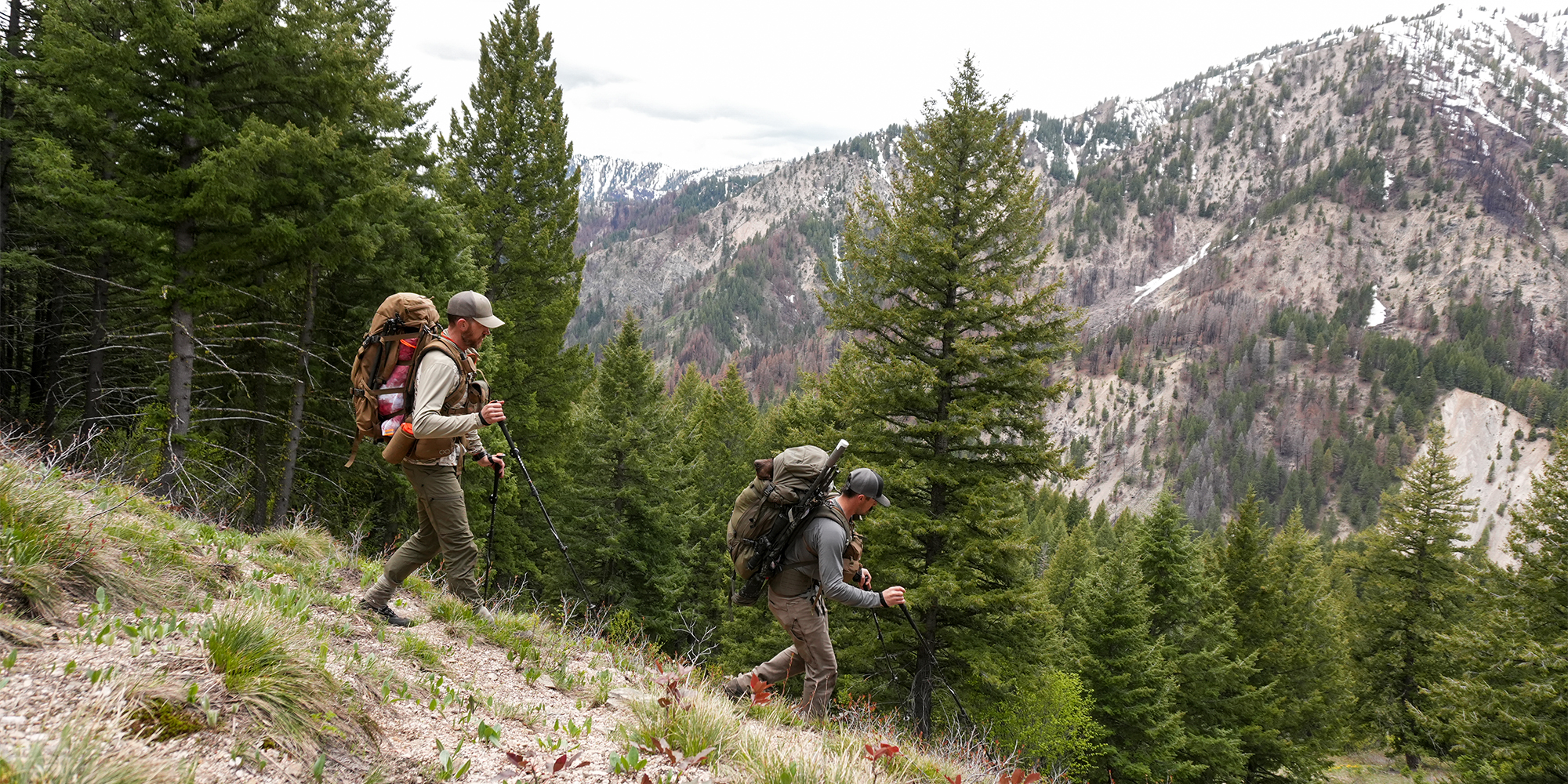
7 CRITICAL FACTORS FOR SUCCESS
First, we asked hunters to look back at all of their past hunts and evaluate when they had successfully filled their tag or felt they truly hunted to the best of their abilities. We wanted to know what truly made a difference on their successful hunts. If they were to remove any “luck” that helped them find success (and, yes, luck is often a factor), what were the things in their control that they did right?
In the data, we identified their 7 most critical factors of success…
#1 Preparation and Pre-Season Scouting
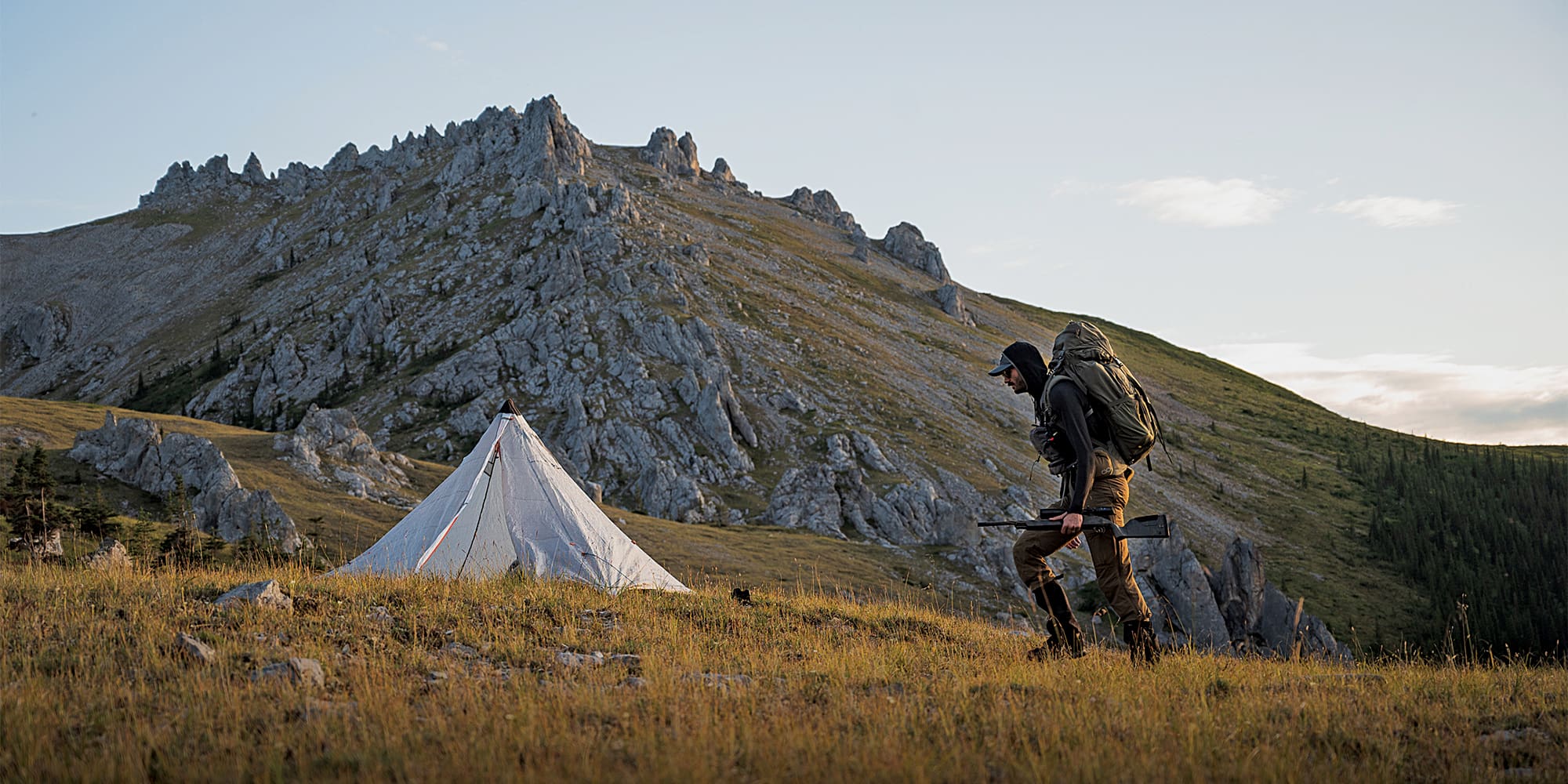
The most frequently mentioned theme is the necessity of thorough preparation. This includes extensive e-scouting using tools like onX, physical boots-on-the-ground scouting, and understanding specific terrain and animal patterns before the season opens.
Successful hunters didn’t just “have a plan” for their hunt; they had many plans, so that they could adapt to changing conditions, hunting pressure, animal behavior, and the countless unexpected and uncontrolled variables that backcountry hunting will undoubtedly throw their way. Hunters will often find themselves asking, “Now what?” after something unexpected or unfortunate happens. The best hunters have planned for that moment, know how to adapt, and then take the best next step.
#2 Time in the Field and Persistence
Success is often attributed to increasing your time in the field, which inherently increases opportunity. Staying for the full duration of a planned hunt rather than leaving early when things seemingly aren’t “working” is how successful hunters earn that title. But it isn’t only the number of days you have to hunt that matters; it is how you use each hour to make the most of each hunting day. As the adage goes, “You can’t kill ’em from camp.” If you want to take a mid-day break, do it from a location that still creates an opportunity to see, hear, and potentially kill your target animal.
In addition to just physically being “out there,” you have to stay mentally engaged and believe that anything can happen at any time. It doesn’t matter if the previous six days have been slow and animals have been more like ghosts. If you have a day (or even an hour!) left to hunt, then hunt. That is what successful hunters do consistently.
#3 Physical Fitness and Conditioning
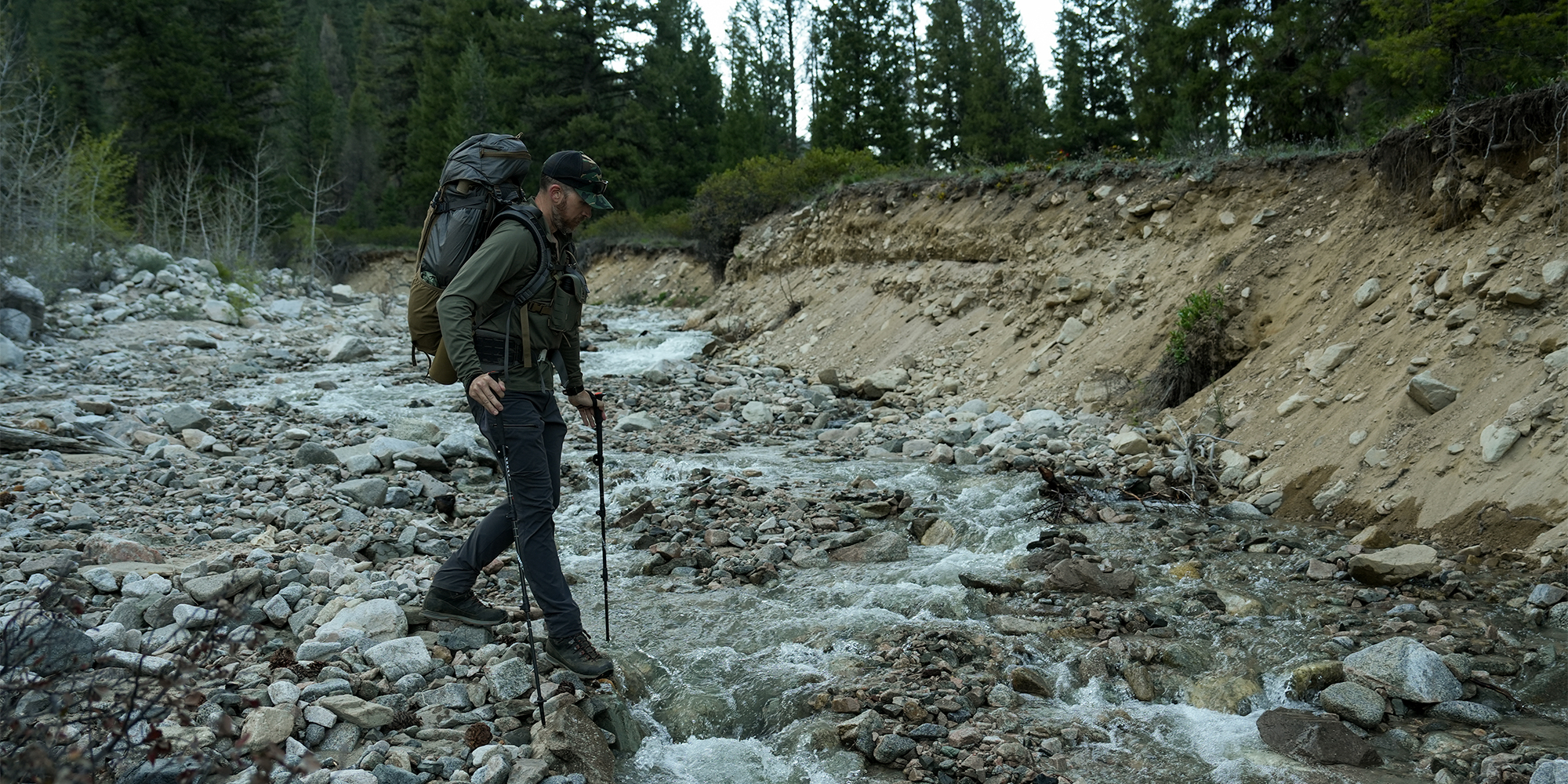
Being in "mountain shape" is a major factor of success in the hunters’ data. This includes the ability to reach remote areas that other hunters avoid and having the physical strength to handle a heavy pack-out on a successful hunt.
Connecting to the previous point, time in the field, being physically prepared isn’t just what you can do once, such as making a big climb; it is being able to keep going hour after hour, day after day. If you are sore or fatigued after a big day, how hard can you hunt the next day? Likely, not as hard as you need to hunt to make success happen.
While there is a lot of hype about fitness and training, the fact is, being physically capable is a "non-negotiable" for backcountry hunts. And the best hunters know that “getting after it” for six weeks before their hunt isn’t enough. Get in shape, then stay in shape. Make it who you are, not just something you try to do for a few weeks in the pre-season.
#4 Mental Toughness and Mindset
A strong mental attitude, specifically "mental fortitude," is highlighted as a key differentiator on successful hunts. Hunters mentioned the importance of staying positive, refusing to quit when things get difficult (like poor weather or exhaustion), and maintaining a "mission" mindset rather than a "vacation" mindset. In addition to your personal mental outlook, it is important to realize that the attitude and mental approach of anyone you hunt with is no doubt going to influence, for good or bad, your experience, enjoyment, and chance of success on a backcountry hunt.
The point lands in the middle of the list, and I’d argue that it truly is the “center” that holds everything together. With the right mindset, a hunter can overcome imperfections and weaknesses in any of the other areas we’re talking about.
#5 Patience and Discipline
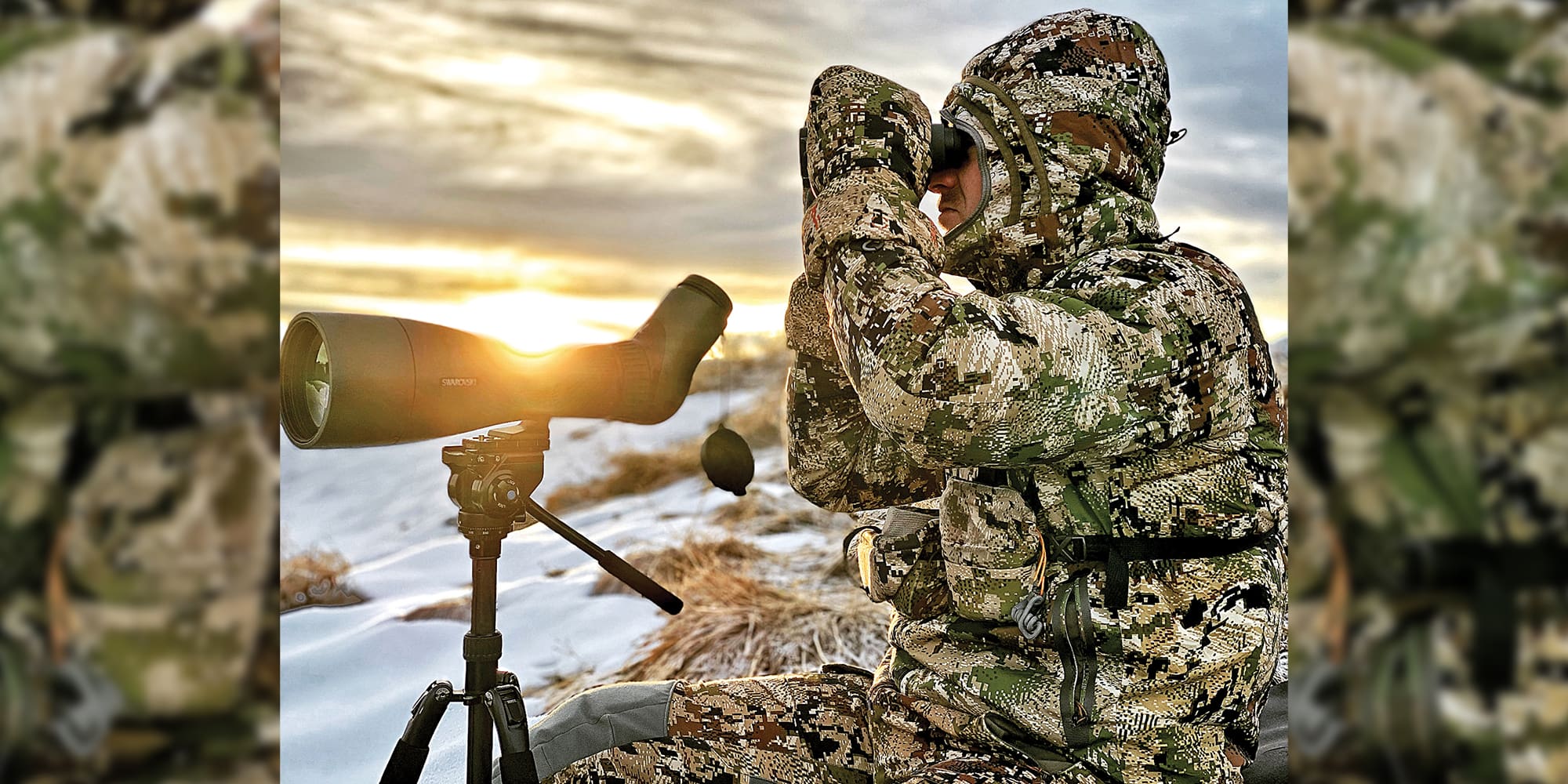
Hunters consistently identify patience as a key attribute of their success; specifically, patience in sitting for hours to glass an area thoroughly, in not rushing stalks or calling sequences, and in waiting for the right shot opportunity. As hunters, we often don’t realize how important patience is until our lack of patience blows an opportunity.
But patience isn’t just acting or deciding slowly. Indecisiveness isn’t patience. Wandering leisurely isn’t patience. Patience has a purpose, and that’s where the discipline comes in. You have to have a plan, trust the process, act deliberately, and practice patient discipline in a purposeful direction toward your hunting goal.
Successful hunters know that sometimes the key to a successful hunt is instantly switching from planned patience to aggressive action. Whether practicing patience or acting aggressively, do it with purpose and discipline.
#6 Proficiency with Weapons and Gear
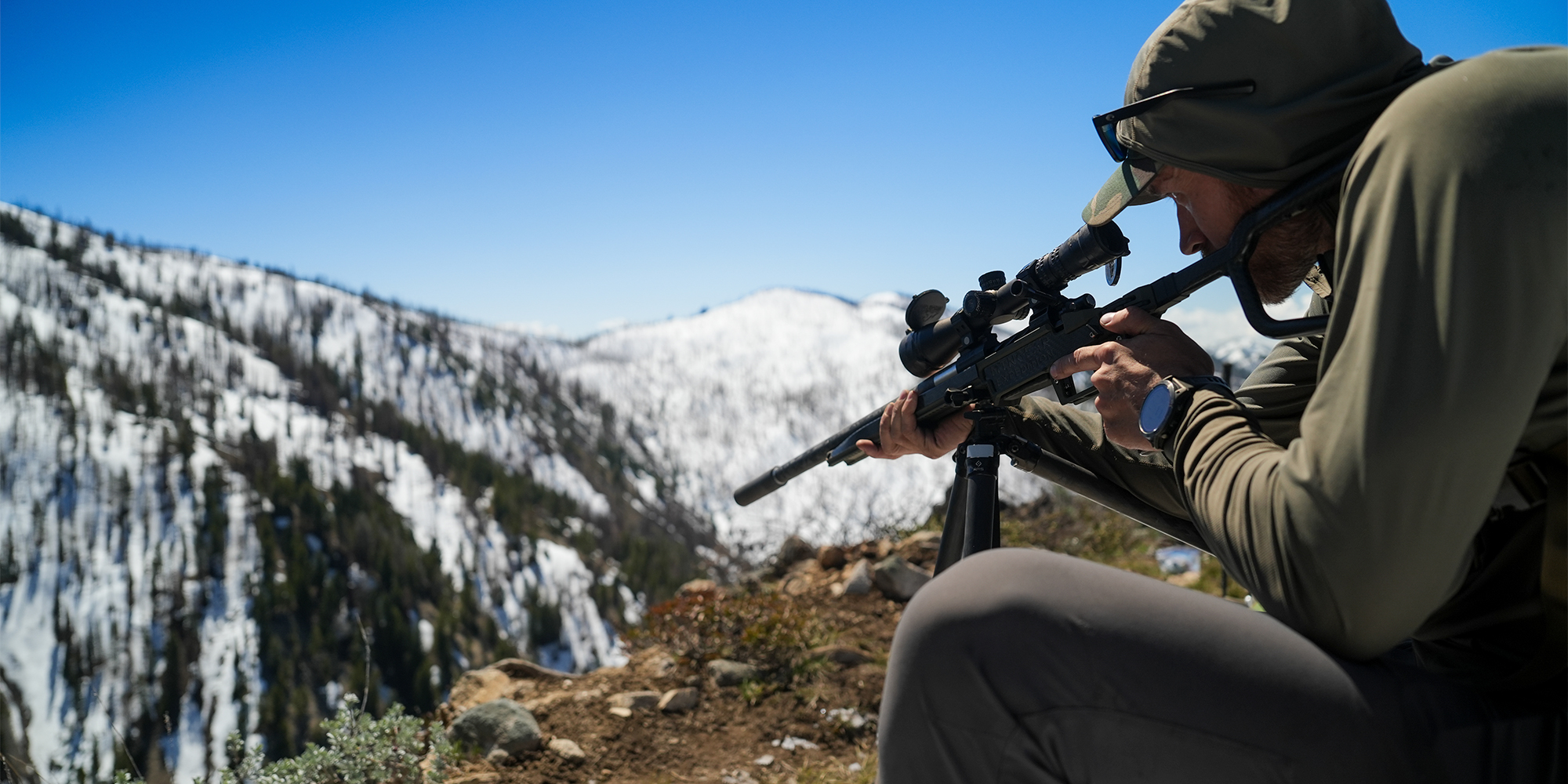
Hunters reported that confidence in equipment and marksmanship is essential. Many mentioned consistent, year-round practice with their weapons (bows or rifles) and being proficient in making ethical shots under pressure.
Beyond shooting skill, successful hunters made sure that every component of their weapon system gear (sights, scopes, releases, etc) was "dialed in," reliable, and familiar. The focus here is proficiency with gear, not just the quality of the gear. It is easy to spend too much time and money researching that next gear purchase, when in reality, the new gear itself may not matter as much as spending time becoming proficient with the gear we already have.
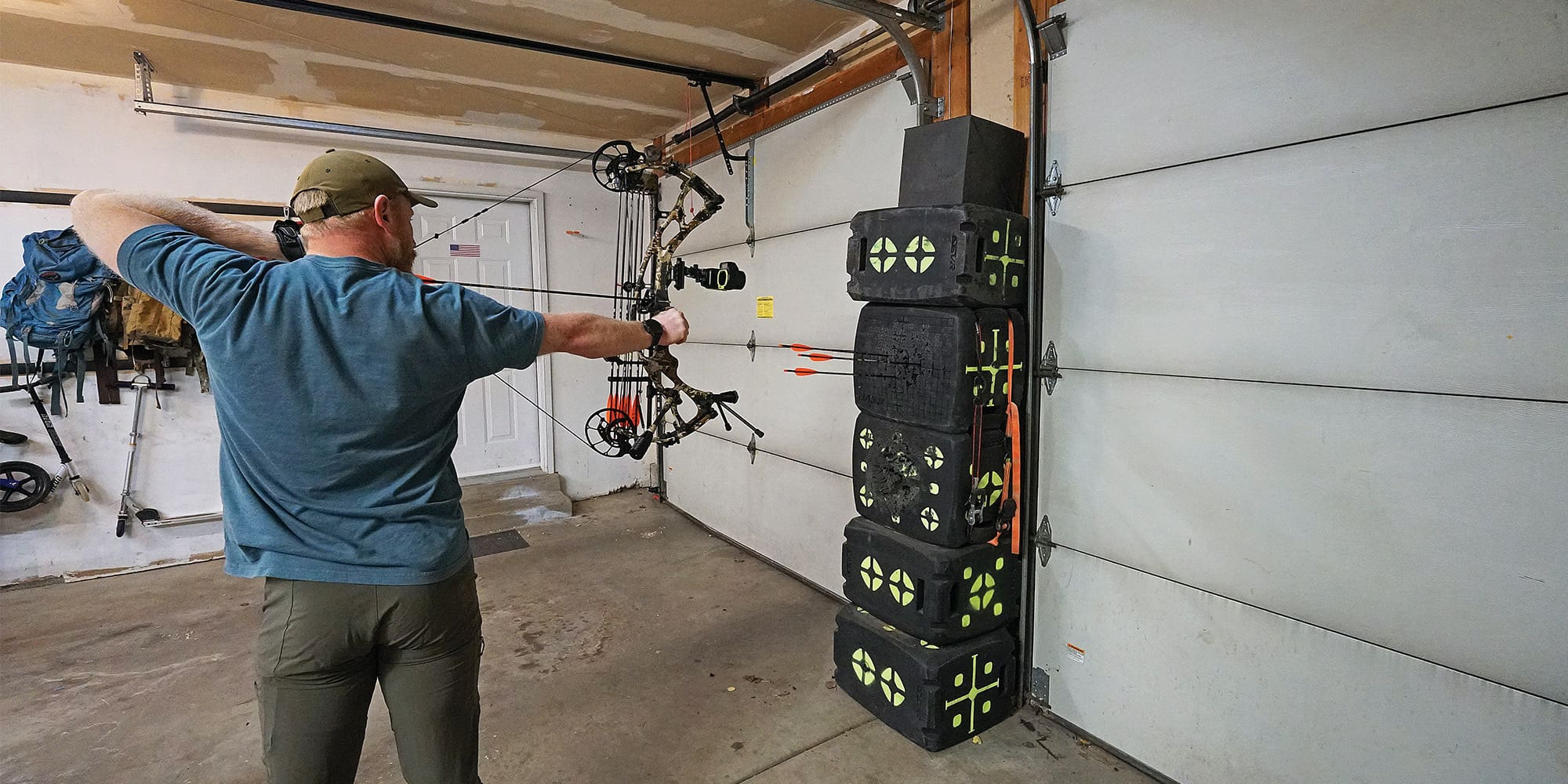
Specifically on shooting, notice the focus on performance under pressure. The best hunters don’t just practice with their weapon at the range; they find ways to introduce stress into their shooting, and also make sure that they are practicing real shooting scenarios that involve less-than-ideal positions, conditions, and angles.
#7 Understanding Wind and Thermals
Successful hunters emphasize the absolute importance of woodsmanship, particularly playing the wind and understanding how thermals work in mountainous terrain to avoid being detected by game.
Hunters must understand how air moves through terrain and how to use it to their advantage to avoid detection, as scent is often a factor when animals are “busted” and shot opportunities are lost. But when hunters paid careful attention to the wind and planned their approach to animals accordingly, the number of shot opportunities and successful shots increased dramatically. Mistakes made with the wind are generally the least forgiving of all mistakes that can be made.
THE FACTORS THAT LEAD TO FAILURE
When we asked the 1,500+ hunters to share the reasons they failed on their backcountry hunts, we specifically asked them to remove any excuses or external factors that they could not control, such as hunting pressure, poor weather, decisions made by Fish & Game, etc. We had the hunters share the decisions or actions that kept them from success on their “failed” hunts.
As you may expect, many of these things are the inverse of the attributes of success, though it is important to note that the order of importance and frequency changes.
#1 Lack of Persistence (Quitting Early)
By far, the most common reason for failure is quitting. Many respondents admitted to leaving the field too early due to exhaustion, missing family, or getting discouraged when the hunt wasn't going as planned.
Most hunters know the dichotomy between waiting all year for their hunt, then questioning the time they’re spending “out there” after a few hard days. Objectively, it makes no sense. You spend months planning, preparing, training, shooting, and day-dreaming, and then in a matter of days you’re willing to give it all up?
If you have eight days to hunt, give it your all for those eight days. Those eight days are just 2% of your entire year. Do you want to spend the other 98% of the year in the regret that comes from quitting? Remember that anything can happen at any time on a hunt. A terrible week of hunting can change in an instant. But quitting early is a guaranteed way to fail.

#2 Physical Limitations
Many hunters attributed their failed hunts to an inability to hike hard after the first few days of the hunt, struggling with blistered feet due to improper footwear, a lack of conditioning, or simply being physically incapable of reaching the areas where the animals were. Notably, the data reveals that a physical limitation isn’t solely based on the hunter’s level of training, conditioning, and capability, but also that a gear choice, in this case, footwear, can be a hunt-stopper.
When hunters use an unproven footwear system (combination of footwear, insoles, and socks), or do not have the knowledge and experience to properly troubleshoot and take care of foot issues (treating hotspots, drying feet, lacing techniques, etc), a hunt can end right then and there. This point proves that ideal pre-season training should train your body and validate your gear choices. The best hunters use their pre-season training to prepare their body, mind, and gear simultaneously.
#3 Mental Fatigue and Lack of Fortitude
Hunters frequently mentioned that they "crumbled under pressure" or lost their "mental edge" on failed hunts. A common occurrence was letting small setbacks, like bad gear choices or lack of sleep, compound or “snowball” into a negative mindset that ultimately led them to stop hunting hard or give up entirely.
On one hand, this highlights that small details matter. The less frustration you have with your gear, the better you’re able to sleep, the more your clothing system enables you to be relatively comfortable in uncomfortable conditions… these are all things that keep you from needing to deal with a snowball of small difficulties. On the other hand, you can decide to “keep the small things small” and not let them build into an overwhelming negative experience.
Overcoming the challenge of backcountry hunting is ultimately a battle between the ears. Difficulty and setbacks are inevitable, but our response to any situation is fully within our control and begins with the choice to direct our mindset.
#4 Poor Tactical Decision-Making
Sometimes a single bad decision can dictate the outcome of a hunt. In the hunter data, bad decisions that led to failed hunts could be summarized in three categories...
First, rushing. Hunters acted too quickly, which led to blown stalks, poorly executed shots, or simple mistakes that ruined a shot opportunity. There are times to be incredibly aggressive in the approach to an animal, but in the final moments of a pursuit, it pays to be patient. You often have more time than you think in those final moments that determine success or failure.
Second, indecision. Hunters frequently mentioned their failure to commit to a plan. Often, in the overwhelm of not being sure what to do, hunters wandered and squandered their time without a clear plan to follow on their hunts. Hunters need to be decisive, but also adapt to changing circumstances. Make a plan, follow a plan, but be prepared to change your plan as you gain more information throughout a hunt.
Third, ignoring the wind. It is commonly said that you can fool an animal’s eyes and ears, but you will never fool their nose. Hunter after hunter mentioned they made poor tactical moves relative to thermals and wind direction, turning potential success into immediate failure.
#5 Inadequate Preparation and Scouting
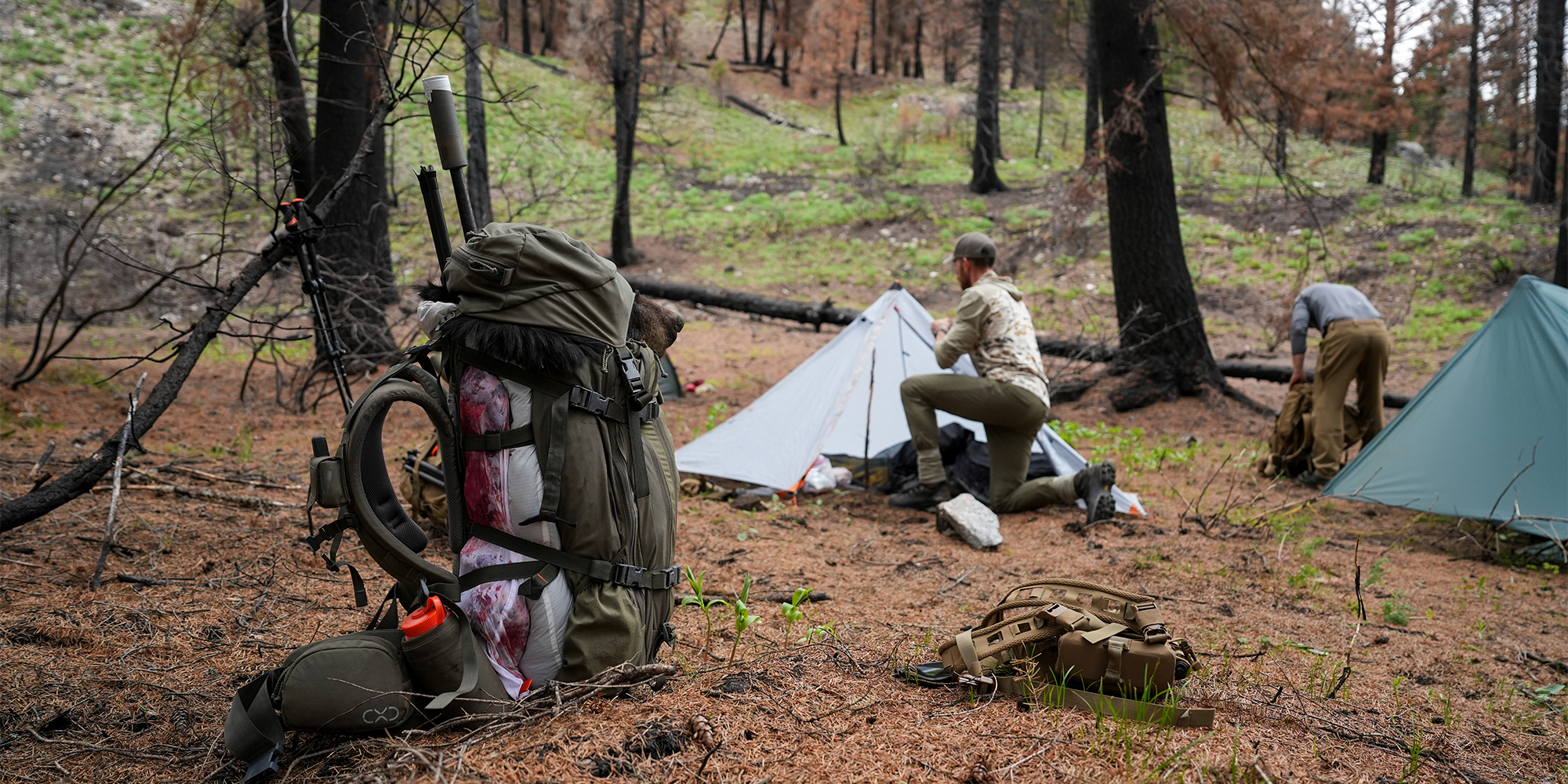
The most common attribute of successful hunts was “Preparation and Pre-Season Scouting,” so it is no surprise to see that same topic listed as a reason for failure when not done properly.
On a failed hunt, a hunter’s “lack of homework" was a common problem. Hunters didn’t fully understand the hunt context, the terrain and conditions, animal behavior, and animal patterns. Hunters failed to adequately prepare for their hunt with research, e-scouting, or boots-on-the-ground scouting trips.
Additionally, hunters didn’t have an adequate backup plan when their "Plan A" failed. They weren’t sure how to adapt when faced with setbacks like hunting pressure, unexpected weather, or lack of animal sign and sightings.
#6 Gear Failures and Mismanagement
Most gear failures occurred with items that weren’t thoroughly tested or fully vetted before being used on a hunt. Researching gear and reading reviews helps you make a gear decision, but pre-purchase information is not enough. Someone else’s experience with an item won’t help you on the mountain. You have to spend time before your hunt to get familiar with your gear, make sure you understand how to use it in the field, and ensure that it will perform when you need it most.
Hunters reported that the most critical gear categories were: footwear, pack, and clothing.
We covered footwear in the “Physical Limitations” section above. So, moving on to packs, it is worth noting that hunters reported improper pack fit and packing too much unnecessary gear that weighed them down as the most common pack issues. We (at Exo Mtn Gear) work harder than anyone else to design and build the best lightweight, load-hauling pack system possible. But even if absolute pack perfection existed, the wearer would have to know how to use it properly to have a good experience. That principle applies to all gear, not just packs.
Similarly, with clothing, it is important to pair knowledge and experience with apparel. The most technical, highest-performing base layer or jacket can be used in ways that compromise performance. The hunter must learn how to strategically and effectively layer the clothing they have and know the limitations and ideal conditions of their clothing system.
The best gear only fulfills its potential when it is used with knowledge and experience. To avoid gear failure, you need to test your gear before hunts, learn how to use your gear effectively, and realize that systems matter more than individual items.
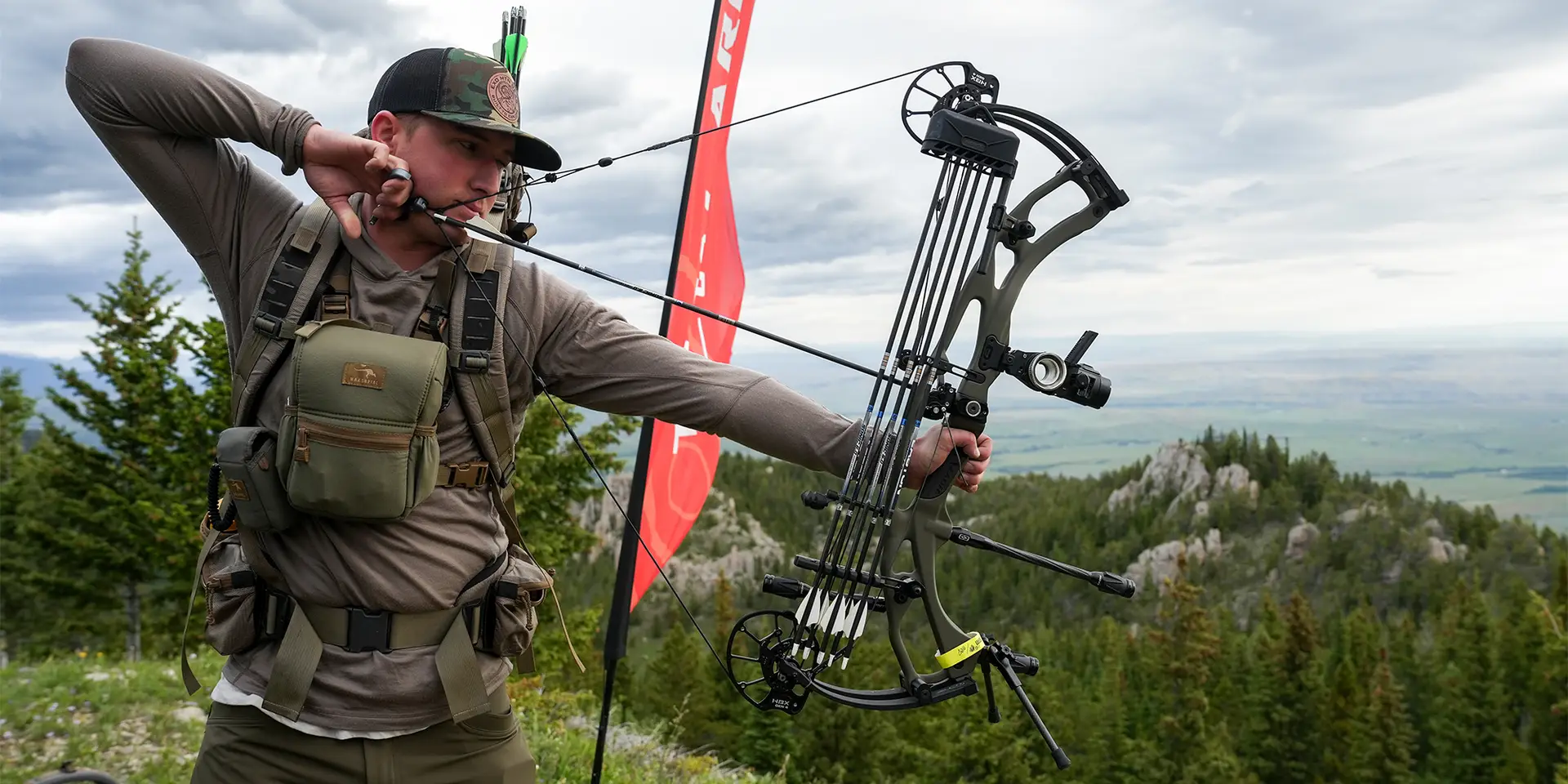
#7 Technical & Shooting Proficiency
A significant number of hunters blamed a lack of confidence or skill with their weapon as their reason for failure. They blamed "buck fever" that led to missed shots. Numerous hunters noted they weren't capable of shooting accurately at the distances required for shot opportunities in the field.
A key to managing and eliminating “buck fever” is to realize that it happens when you focus on the animal and the outcome, instead of the shot process. When you start thinking about the excitement of filling your tag, putting meat in the freezer, or putting antlers on your wall, you are “getting ahead of yourself” and creating anxiety and anticipation. Focus on the shot process, not the outcome. You should execute every shot, whether on the range or in the backcountry, with a defined process that creates consistency, repetition, and keeps the focus on the process, not the outcome.
Another key to increasing your shooting proficiency on hunts is to introduce pressure, stress, and realistic scenarios (positions, angles, conditions) into your practice. Once your bow or rifle is set up and sighted in, you need to get creative and make your practice as effective as possible by increasing the difficulty and replicating the stress of realistic shot scenarios that you could expect on a hunt. It feels great to shoot tiny groups in controlled settings, but that type of shooting doesn’t fully prepare you to be an effective hunter.
A BLUEPRINT TO BUILD UPON
If you want to build more capability and confidence as a backcountry hunter, this blueprint will help you narrow your focus on what matters. If you have struggled to find consistent success on your hunts, use this framework to guide your pursuit. Avoid information overload and focus on these attributes of success you need to master, while avoiding the mistakes that lead to failure.
To dive deeper into The Backcountry Blueprint, find additional articles and podcasts that elaborate on the hunter data at https://exomtngear.com/blueprint. Additional topics include Essential Skills of a Mountain Hunter, Easy & Efficient Mountain Living, Mastery in the Moment of Truth, and more.