NOTICE: Certain links on this post may earn a commission for Western Hunter Magazine from Amazon or our other affiliate partners when you make a purchase. Thank you for your support.
Of Bou & Bow: Chasing Mountain Caribou in the Northwest Territories
I couldn’t shake the feeling that something bad was going to happen to my bow as I loaded it into the case. I hate those thoughts, but the bow for this trip was integral in my mind. I just needed it to show up–unlike other trips where I could make do. This hunt was to take place in the most remote reaches of North America, and it was a trip I had been dreaming about for a long time. After four days of travel, my boots would hit the dirt in the northernmost portion of the famed McKenzie Mountains in the NWT.
I was headed to chase mountain caribou. These caribou, true to their name, inhabit the high ridges and slopes of the range during the summer months, before moving down into their winter range. This hunt was high on my list for many reasons. The first of these was wanting to experience a hunt in the McKenzie Mountains. Having heard stories of this vast and seemingly untouched place, I was immediately intrigued. Second was the animal itself. Caribou have always fascinated me. It is one of the few animals of which no two are quite the same. They live in the most remote reaches of the north, and unfortunately, hunting opportunities for caribou as a whole are decreasing.
About eight years ago, a good friend of mine mentioned something to me that I really took to heart. He said, “If you want to caribou hunt, do it now.” That statement really set the wheels in motion. I really wanted to chase all the species of caribou with my bow. His words, “do it now,” became even more meaningful as, before I was able to embark on my first caribou hunt, a DIY hunt in Alaska, the Quebec-Labrador herd was shut down to hunting.
Here I was, over eight years later, about to chase the last species of caribou on that list, the mountain caribou–one of the most desirable among the lot. Their massive antlers and large bodies make them a standout subspecies. I had the tag, the flights, a guide–everything was in place. I just needed to grab my bow, get on the mountain, and find one that would lend itself to getting within bow range.
As I waited in baggage claim in Yellowknife for an overnight before flying to Norman Wells the next morning, then into base camp the day after that, I felt a pit in my stomach. The bow never showed up at the luggage pickup.
For some reason, the bow never transferred at my last stop. At this point, I was not too worried. I had two more days, and there were over four flights that it could get on to make it. The next day, I got on my next flight. The bow did not show. I was banking on the hope that someone put it on a plane, and it would eventually turn up. To make a long story short, the next day, if not for an acquaintance who knew someone who went to the airport and practically stole the bow and put it on a flight, I would have left for the hunt bowless. It arrived five minutes before we were going to take off on the charter flight into the mountains. My anxiety about something happening to my bow subsided, and I knew I was about to hunt a mountain caribou.
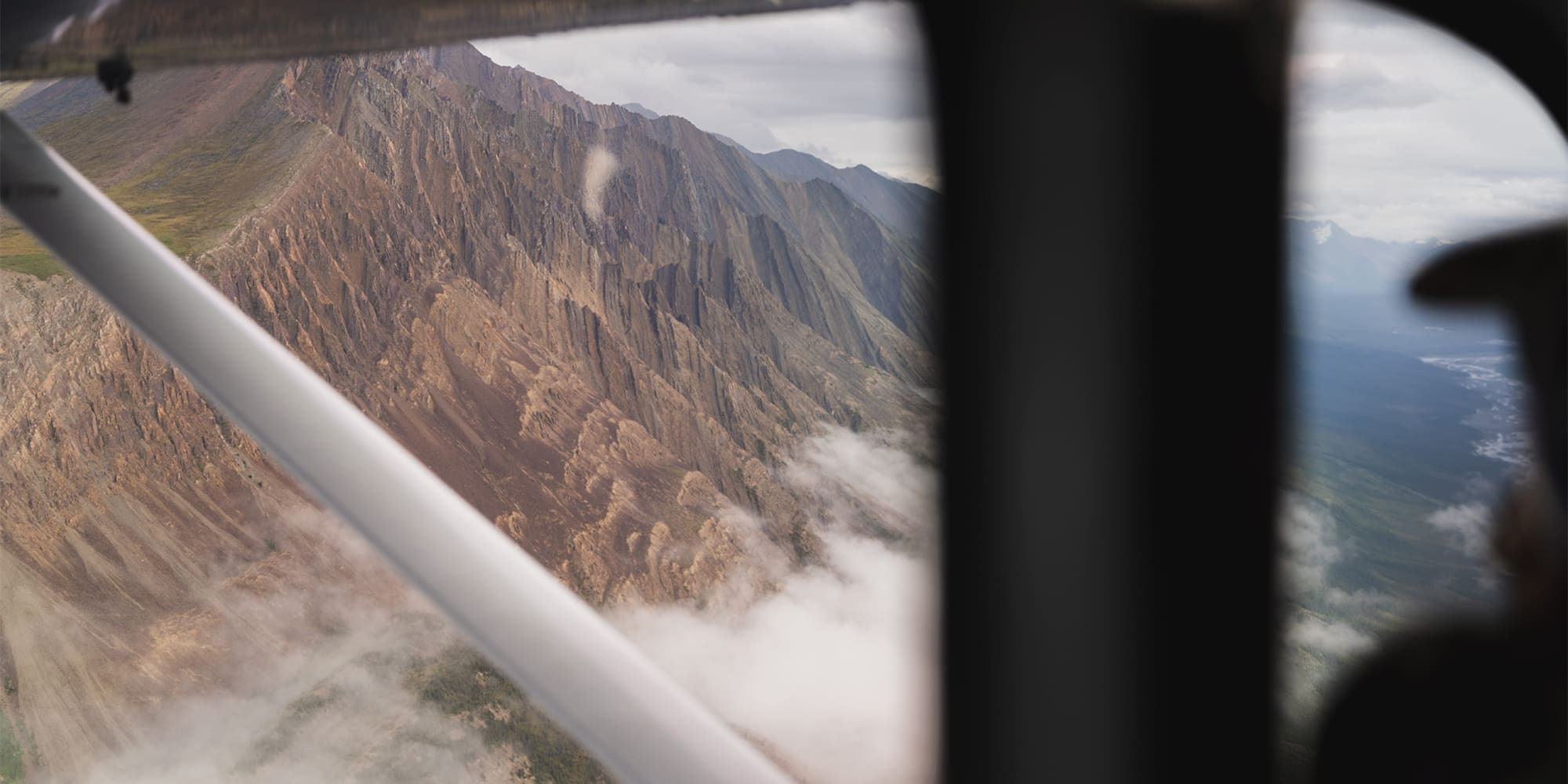
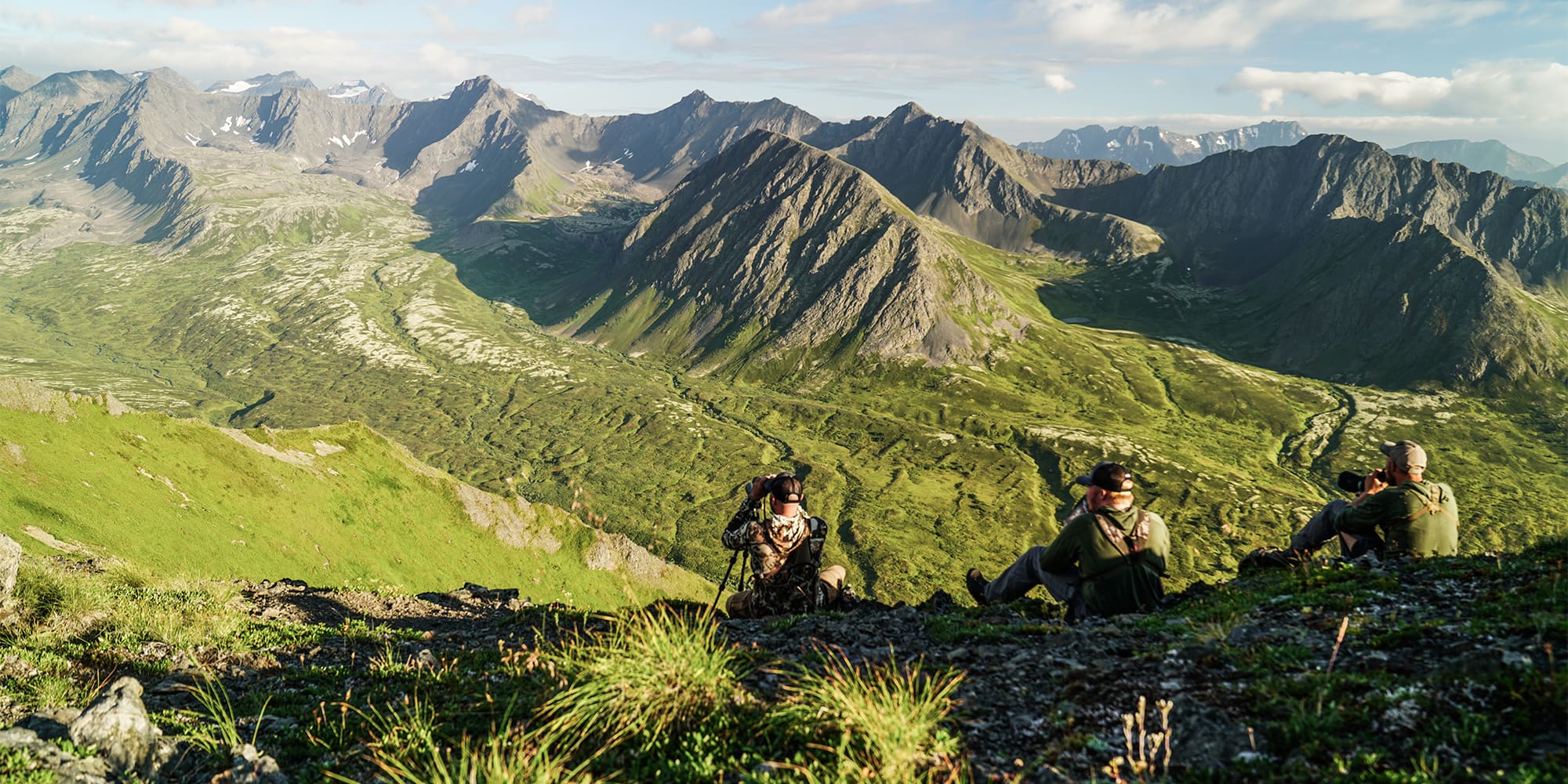
As we flew into the mountains, the scale of where I was headed began to grow. Valleys and rivers started stacking up. Ridges and slopes seemed to expand into an infinite range of mountains, as if I were looking at them through two opposing mirrors. The vastness of the McKenzies seemed endless.
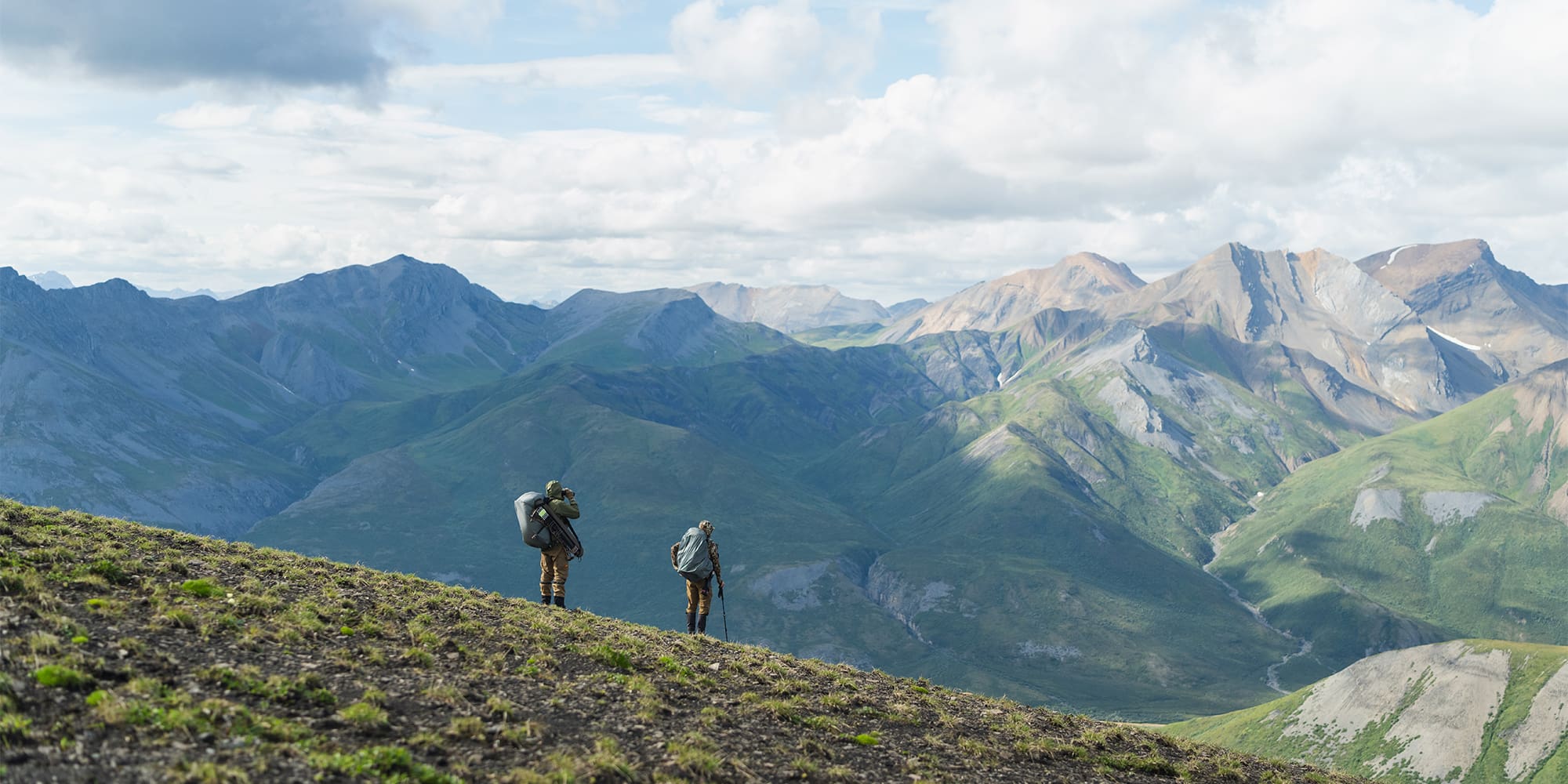
From the float plane, we were dropped over 150 miles from where we took off, at a small lake where a cabin sat tucked into a patch of willows. The cabin, decorated with scars from bears trying to break in, is where we met our Colin, our guide for the week. Unless they're a resident of NWT, every hunter is legally required to hunt with a guide. The plan for the week was to scout out the mountains behind the cabin the first day, then head up and backpack into the head basins and valleys across the way.
With the sun never really setting, that night just bled into the next day. In light rain, we loaded up the packs and made a climb to the top of the mountain behind us. As we crested over, I caught the tips of a bull about 250 yards below us. It was a nice bull, but not a first-day shooter. We worked around to see if he had any friends. Being extremely cautious, we backed out, went around the mountain, and popped out on the other side with a good view and farther away so as not to spook the bull, just in case.
Well… that did not work! The bull blew out, running. Why? I may never know. Was it us? I am not sure. It did open my eyes to the idea that these caribou may not be that easy to get within bow range of. Either it caught another predator’s wind, or we were chasing the most keyed-in Caribou on the planet. That bull just took off, and honestly, it may still be running.
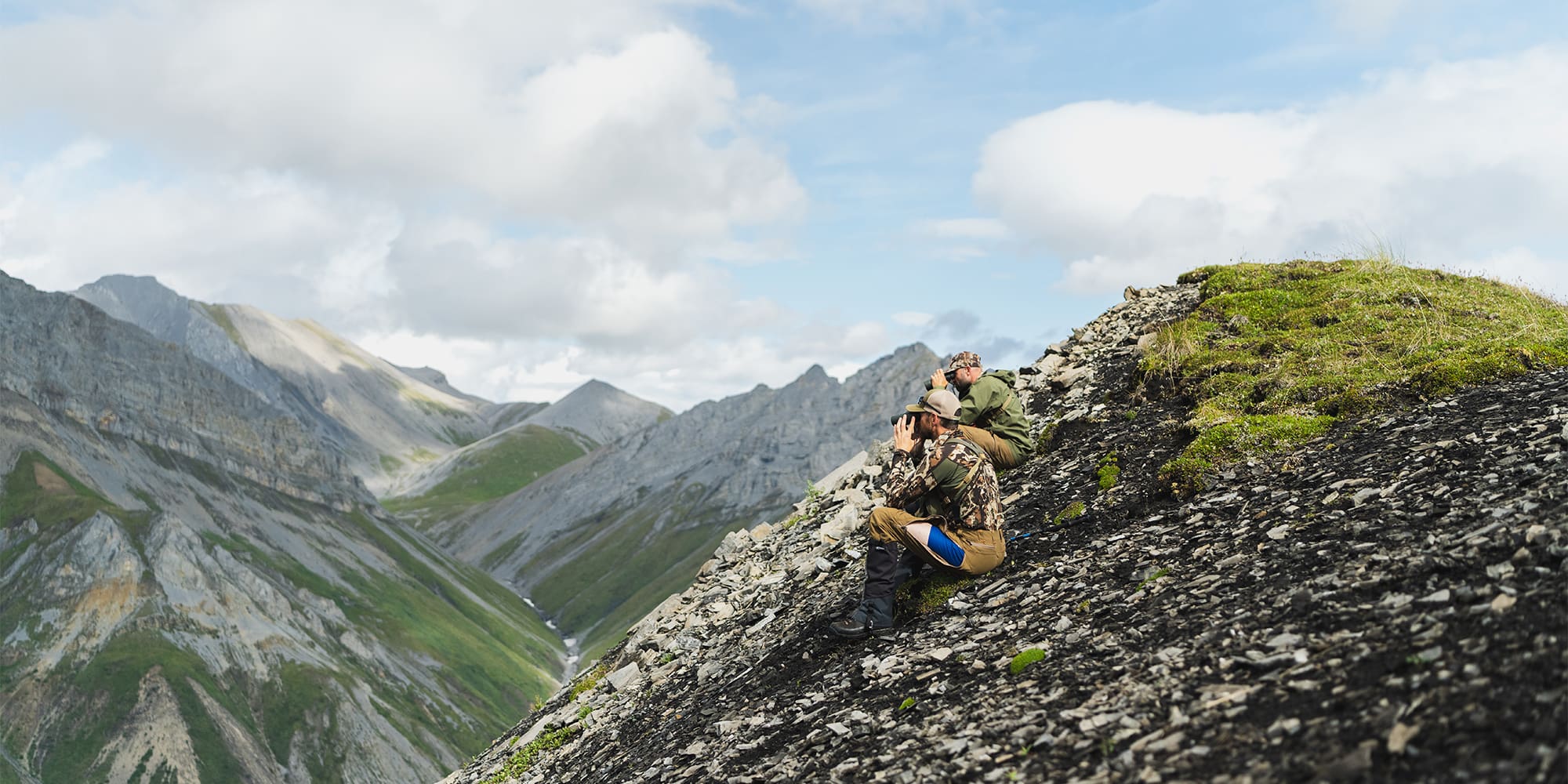
We continued to glass the valleys on the other side, and every time we thought we had seen it all, another bull or group of animals would appear. The mountains had so many folds that it was easy to conceal the caribou, especially since their deep brown coats this time of year really blended into the wet dirt and mountains. We looked over a decent number of animals but didn’t find any of the big bulls that the area is known to hold, so we made our way back to the cabin that night to pack into new country the next day.
The next day, we loaded up and worked around the lake, planning to get back into a new drainage that would be a good starting point for moving into multiple other drainages. About a mile into the hike, I stopped to get water out of the lake in case that was the last water we hit for the day. Just as I finished filling up, a black wolf popped over the ridge four or five hundred yards in front of us. I crawled to my bow as the wolf worked the caribou trail towards us. As it hit about 250 yards, it picked us up. A female. Her bright yellow eyes fixed on us as we lay motionless in the open. Her head dropped low as she tried to figure out if we were something she might be able to eat.
Curiosity got the best of her as she moved closer. She hit the hill near us at 67 yards. I gave a squeak like you would for a coyote, and she stopped. I was at full draw, and the arrow left my bow shortly after. The hit was good, and she disappeared over the hill. The three of us looked at each other in disbelief. I had just taken a wolf with my bow!
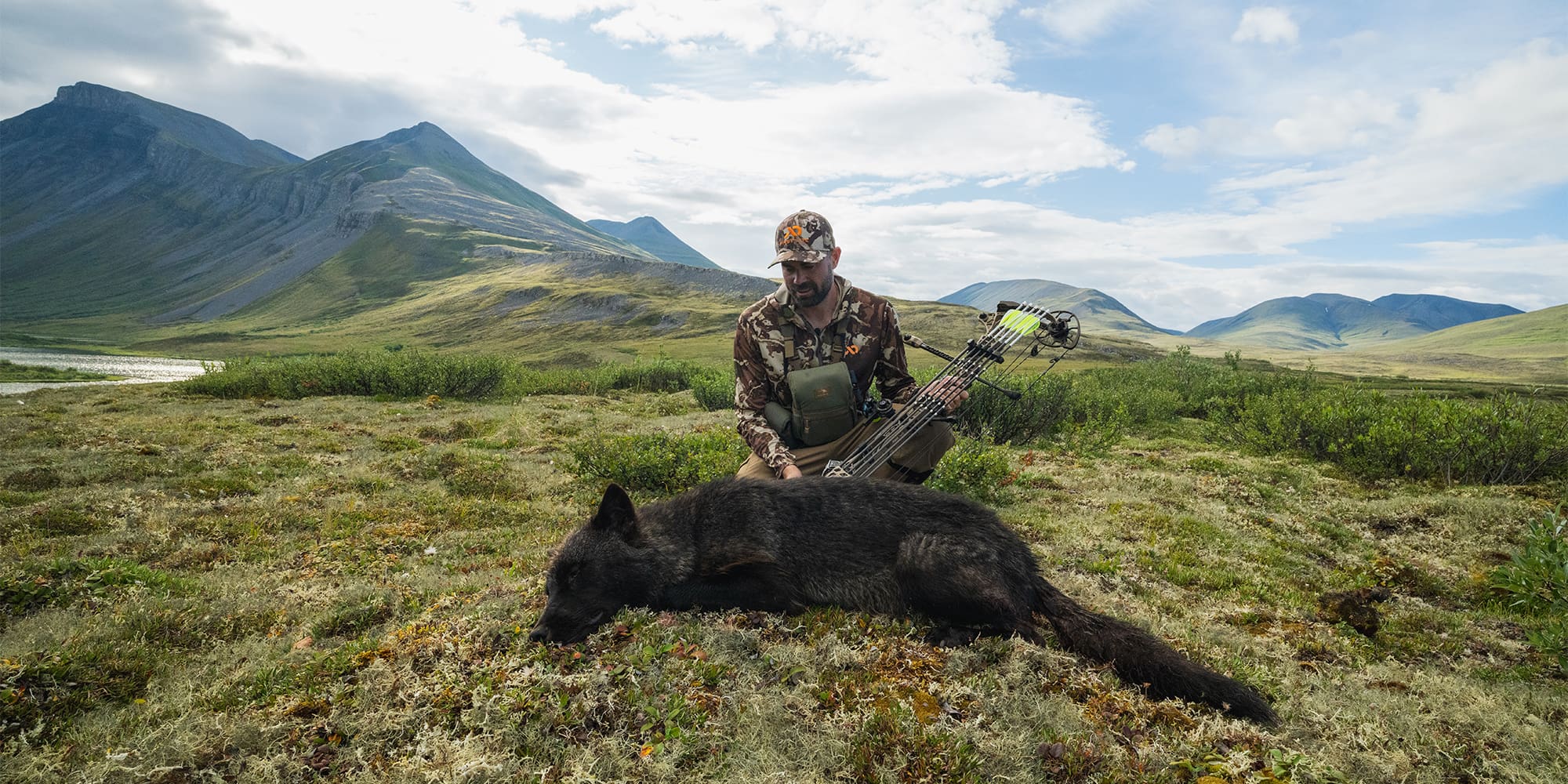
We tagged and skinned the wolf while making a plan to hike back to the cabin to salt the hide before hiking back into where we wanted to hunt. No sense in carrying it around all week if we did not have to. While we were finishing prepping the hide to pack out, Zach, the other guy with me, spotted a good bull skylined on a steep, shale-covered knife ridge. We had a wolf down and now had a destination for spike camp. We needed a better look at this bull.
After the detour of packing the wolf back and salting the hide, we were back on our way to get a better look at the bull, miles away on the skyline ridge. After about three or so miles, we had an option to drop down to the river and try getting across or stay on the side the bull was on, drop camp, and work up for a closer look.
Across seemed like a great spot to base out of, so we moved to the edge to find a way down to the river. As we popped over, 80 yards below us, a sow and cub grizzly exploded in the water, splashing through and wrestling each other. Unaware of us, they were ready to move and took a path that was leading right to us. We made haste to create space for the pair, as we were not looking for a negative confrontation. We moved off, and the bears parked it where we wanted to go, so we changed plans and headed to set up camp on the same side as the bull.
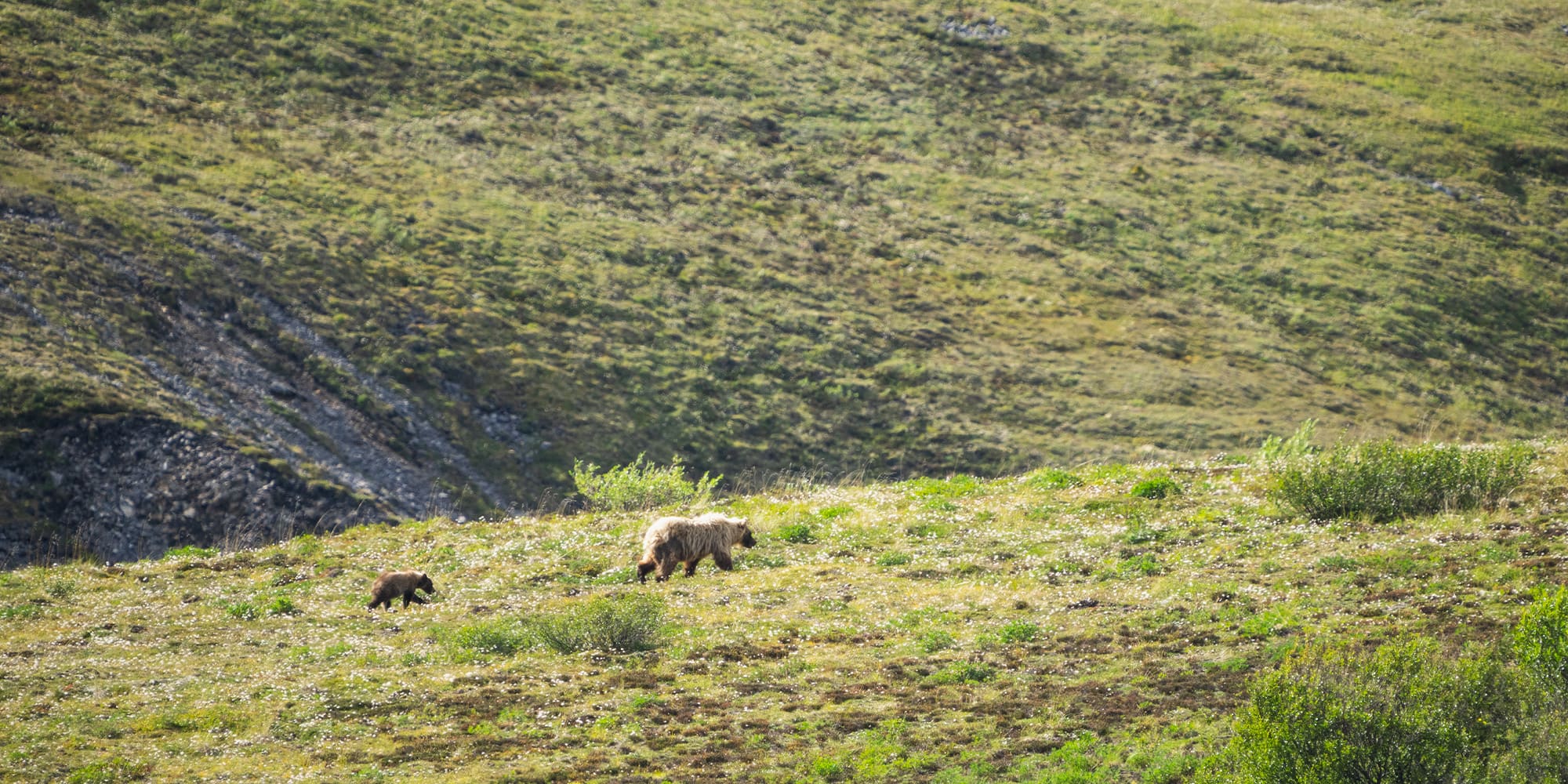
We dropped camp and worked up to the ridge bull. It was a great bull, but this early in the hunt, it was not one I wanted to make a play on. He was bigger than any bull I had taken, but I needed to see what else was around. We dropped back down and planned a big hike for the next day that would lead us over through new drainages and into more country.
The next morning was heavy with fog, but it burned off quickly, so the plan was a go. We hiked and glassed all day, covering a lot of miles and just as much in elevation gain, to no avail. Just a couple of pockets of cows and lots of good-looking country. After making it to where we wanted, we decided to hike back. About halfway back, as we popped over the ridge, two bulls were feeding below us.
We circled around out of sight, got the wind, and moved in for a good look. As we got closer, I could tell that one of the bulls was what I was looking for. With the rain coming down, we moved around, hoping the bull would work the caribou trail in a direction that allowed us to make a play. Instead, they bedded. The big bull bedded in a great spot for a stalk, but the small bull was bedded in the open, looking over the approach.
We waited, but shortly after, the small bull put his head down and fell asleep. This was the chance. A risky stalk, but if we could move 40 yards, we would be out of sight of both caribou and able to close the gap for the shot.
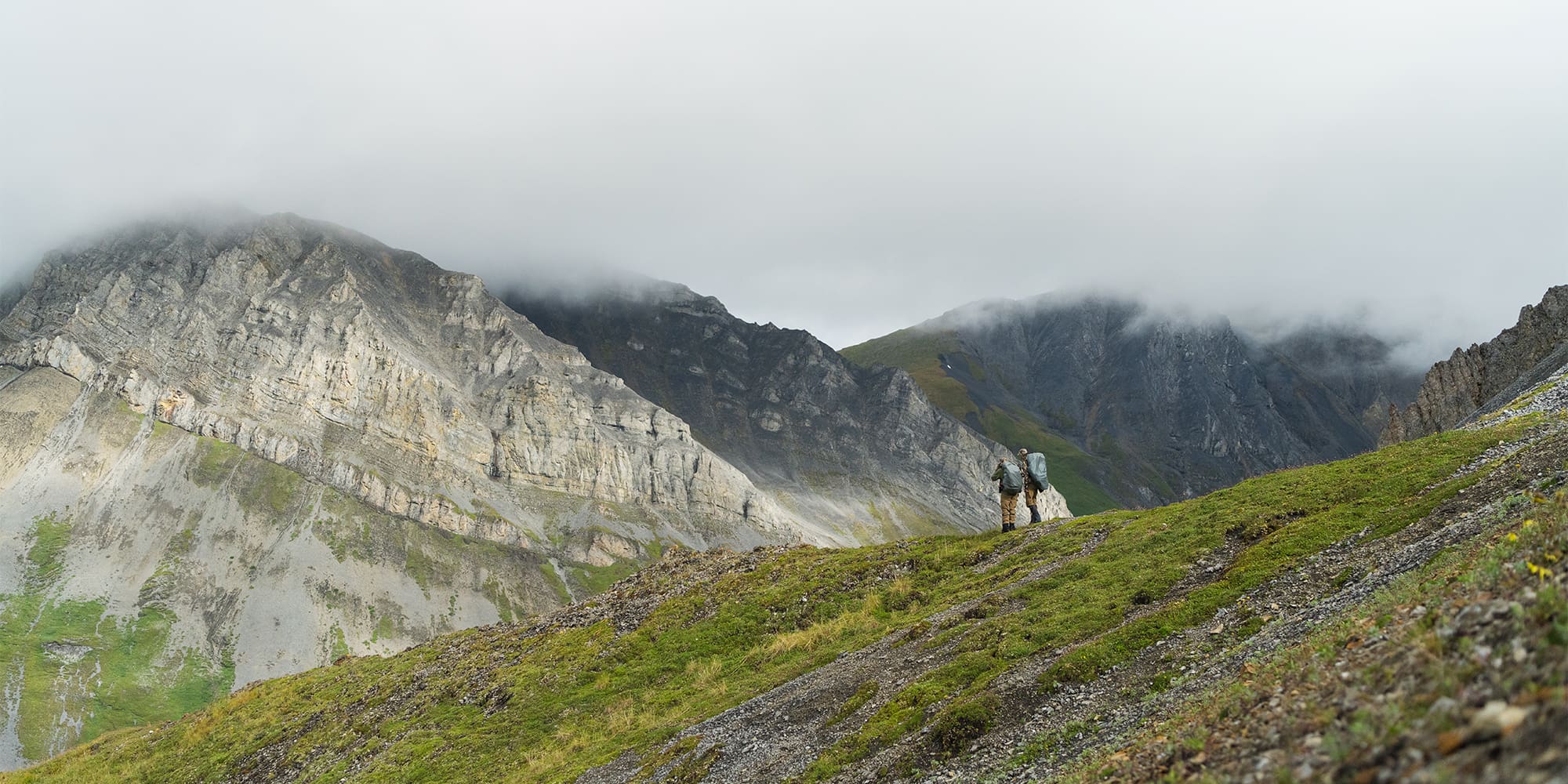
We scooted down the slope. With only one more slide, we would be out of sight and able to move in. Then, either a wind swirl or a noise out of place caused the smaller bull to bolt from sleep to a dead run, taking the big bull with him. They stopped downwind before getting a good whiff and running as far as we could see. The stalk was blown, and it felt like a good opportunity was messed up by a hasty stalk.
The next day, we explored some new country, hiking up different valleys before planning to head to the saddle where the bull we called "Ridge Runner" was a few days before. After a big climb in the afternoon, we had only seen small bulls and cows. I was glassing about five miles off in the distance and spotted what looked like a great caribou.
There were two together, and the small one had a really white neck. In the rain and at that distance, it was impossible to tell, but I had a sneaking suspicion I may have turned up the bull I stalked. Right about then, the ridge bull appeared below us out of seemingly nowhere with a group of cows. They scaled the steep face and bedded on the top. Unapproachable for a stalk, especially with so many.
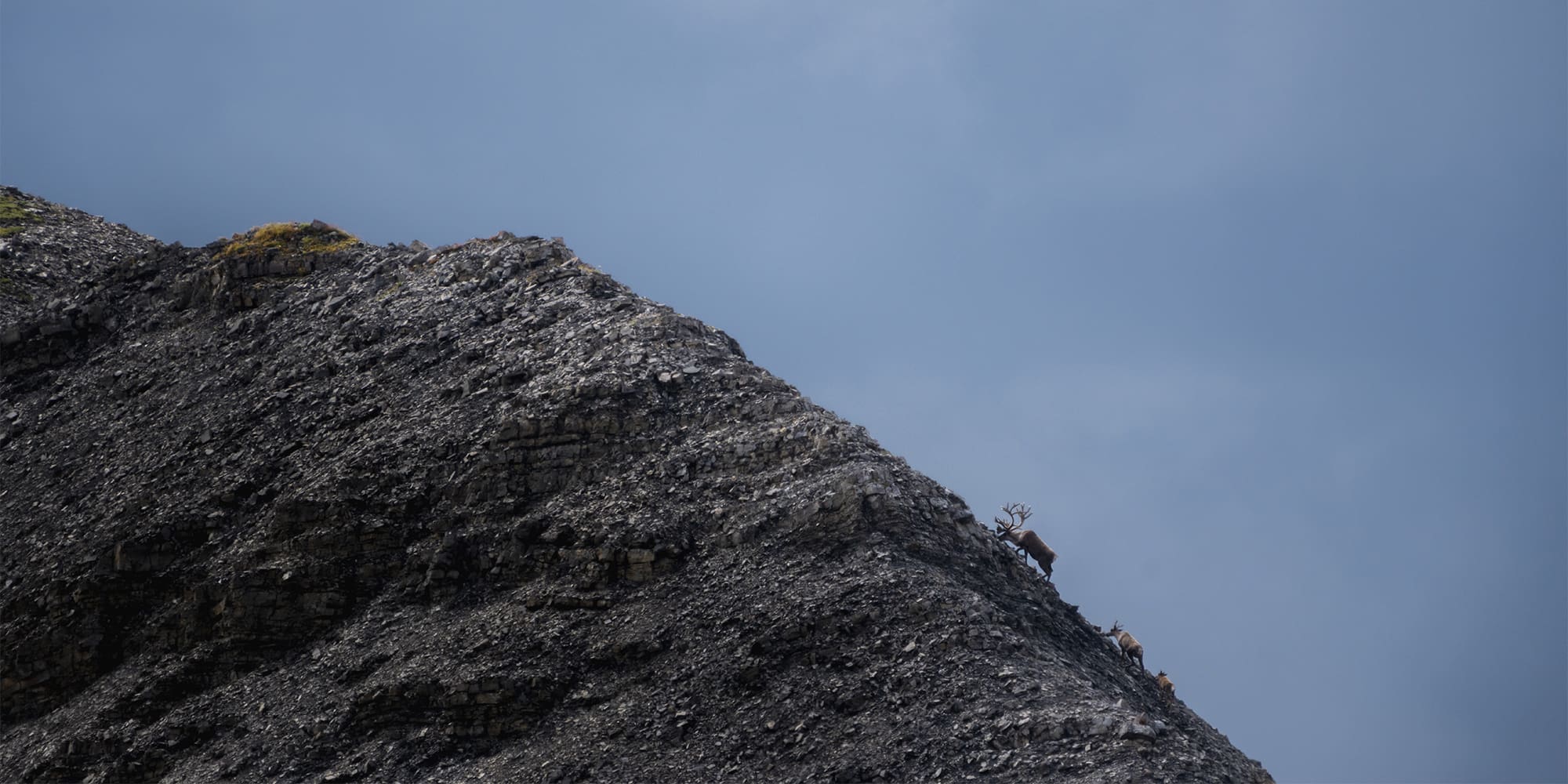
I now had a choice to make: hunt this ridge bull or head out and try to get a closer look at the bulls far across the valley. I opted to make a play and investigate the other bulls, knowing full well that the bull we were walking away from may or may not turn back up.
Once back at our spike camp, I could tell that the two bulls were the ones we had stalked. So, the next morning, we loaded up camp to push across and try to make a play. They disappeared out of sight for us, but I was confident they would be near there, as the bottom of where they were was sheer cliffs. I felt like if we got over there, I would at least be able to assess and maybe make a stalk.
At the base of the mountain, we dropped our gear and made the climb. As we worked toward their last known location, I caught the tips of the antlers of the two bulls. We dropped our packs and worked in just in time to watch them bed in the open.
This time we had time, and the plan was now to wait them out, figure out a good route, and be patient until they put themselves in a stalkable position. To get an idea of where I might be able to go, I crawled in to about 160 yards before losing the cover of the hill. I noticed that the route behind me to the right offered a little more topography and a place where I could move quickly if they moved, so we backed out and planned to re-stalk in from that side to wait.
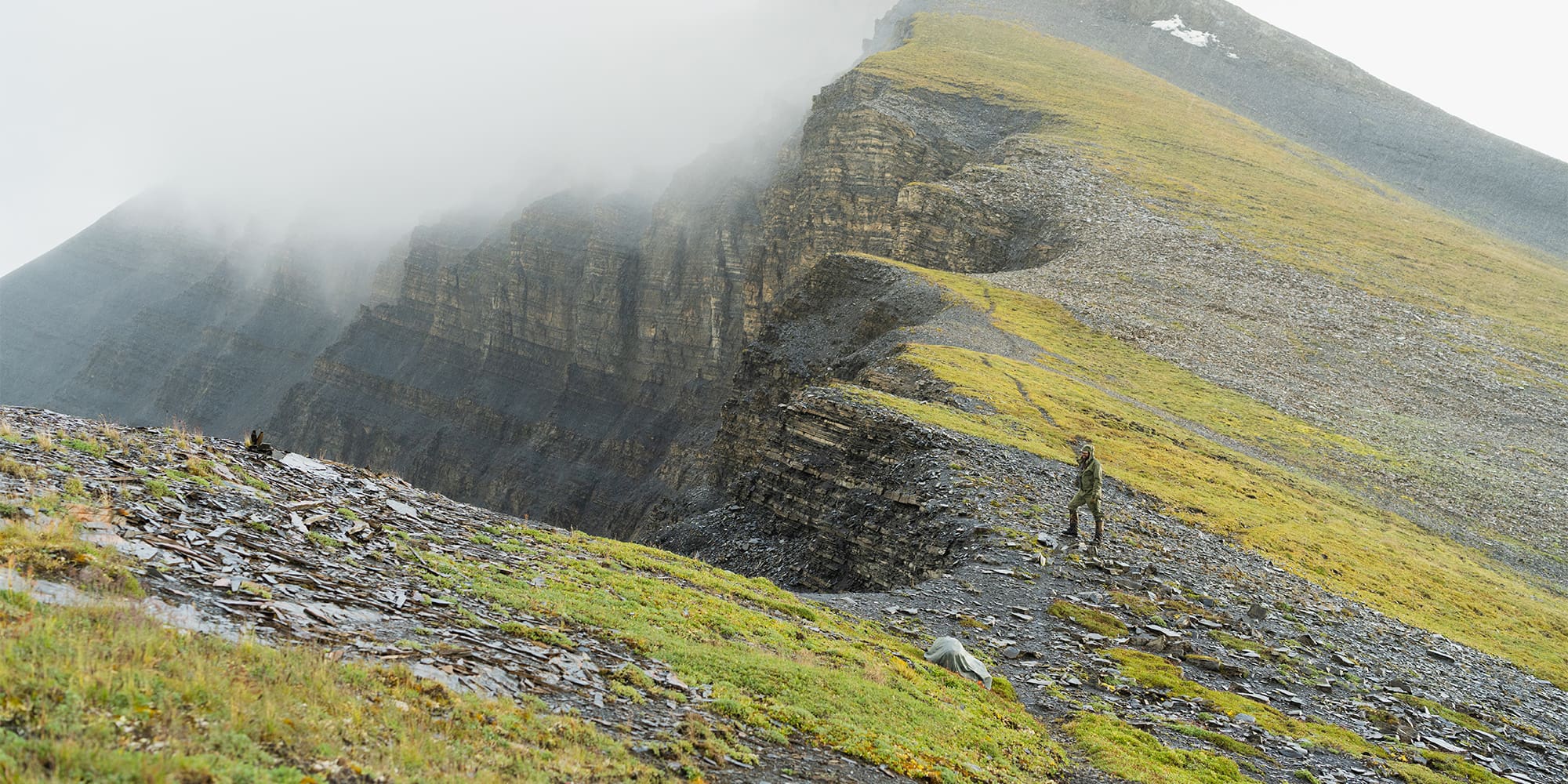
As I moved back around, I was putting my arrow back into the quiver. The arrow slipped, bumped the quiver, and struck my yoke cable, slicing through half the strings on the cable. My heart sank as the strings started to unravel. I quickly borrowed someone's Chapstick and worked it into the string, twisting it to keep it from unraveling and getting into the working parts of the bow.
My fear was realized. If only the delayed bow had been the worst of it. I was mid-stalk on a caribou I had been dreaming about chasing for a long time, we had no backup bow or rifle, and I was not sure what would happen at the shot.
Would the bow simply explode on the draw? Would the tune be off enough to affect the arrow flight? Or, would it all work fine and not be an issue?
We sat there 140 yards away from the two bedded bulls for over an hour, all this playing through my head as we waited. I decided that I was going to try. I felt like the string would hold at least for the first shot. There really was no other option, and I was just thankful I didn’t cut through more.
After a long wait, the bulls started to get restless and popped up to feed. They started to work into the wind and dipped below a small bench on the mountain. It was action time. We quickly moved while they were out of sight, hit the bench, and crawled in. I could see the bull's antlers about 60 yards away and feeding closer. I scooted into position and waited. He kept feeding to 47 yards, and I readied for the shot. He turned broadside, and I drew the bow.
Well, it didn’t explode, so that was good. I steadied for the shot and released. The left and right were perfect, but the shot looked low. From my view, I could not see where or if I hit, but the bull ran out and started shaking his head strangely. I quickly shot again at a longer distance. Miss. The bow, I was now confident, was shooting off, and I suspected that it was about five yards of adjustment low.
This was not good, as the bull had started to move off and up the mountain. I circled for another shot, but he caught me and bombed off the mountain out of sight. I knew that the bow was holding together, but I needed to verify where it was shooting. I picked a clump and shot an arrow. My sight was indeed about five yards off. I gathered arrows and prayed we would be able to turn him up again.
We moved to where he disappeared and found good blood, but I was not confident at all. The hit did not look good to me, so we moved slowly. The mountain was steep enough that I could only see about 20 yards below. As we neared the bottom, I caught the bull in the flats, 100 yards out.
We sat and watched. He stood for a while before taking off on a trail towards the lake below. Once he hit the lake, he did what nature had taught him to do to avoid wolves. He got in the water and swam. Thankfully, he made a quick U-turn, got out, and bedded, watching his backtrail. It was really hard to tell how badly he was hit, so we watched.
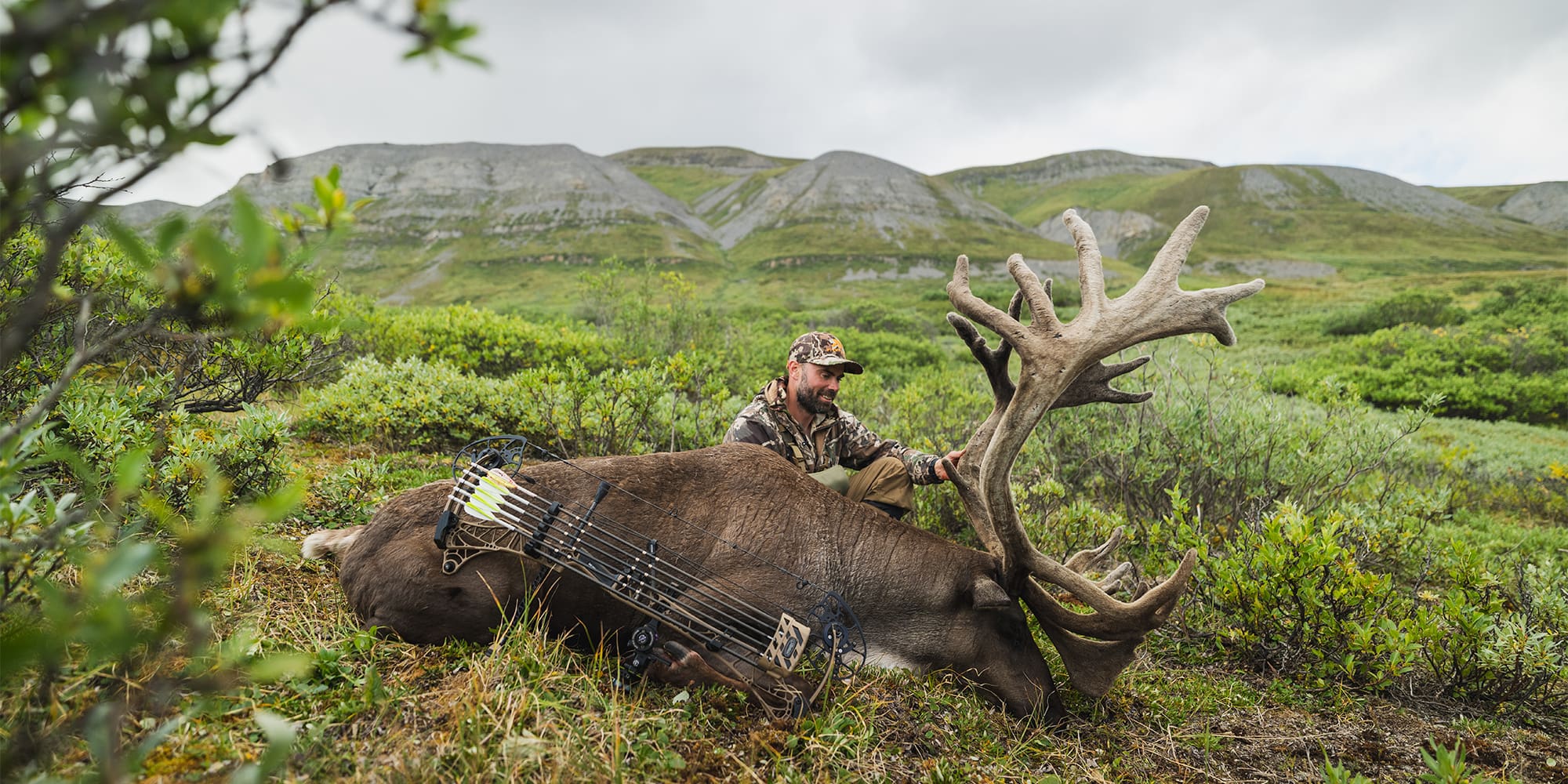
The plan was to sneak in and shoot another arrow. We could see him put his head down to sleep. I stalked into the bull, treating it as though he was alert and ready to run out of the country. We crawled in until I lost cover and had one more opportunity for a shot. I was hoping the five-yards-off estimate was accurate. The shot was 73 yards, so I set it for 78, held steady, and released. The arrow stuck perfectly, and the bull rolled over and expired. In retrospect, the bull was probably on his way out, but the extra shot sped up the recovery.
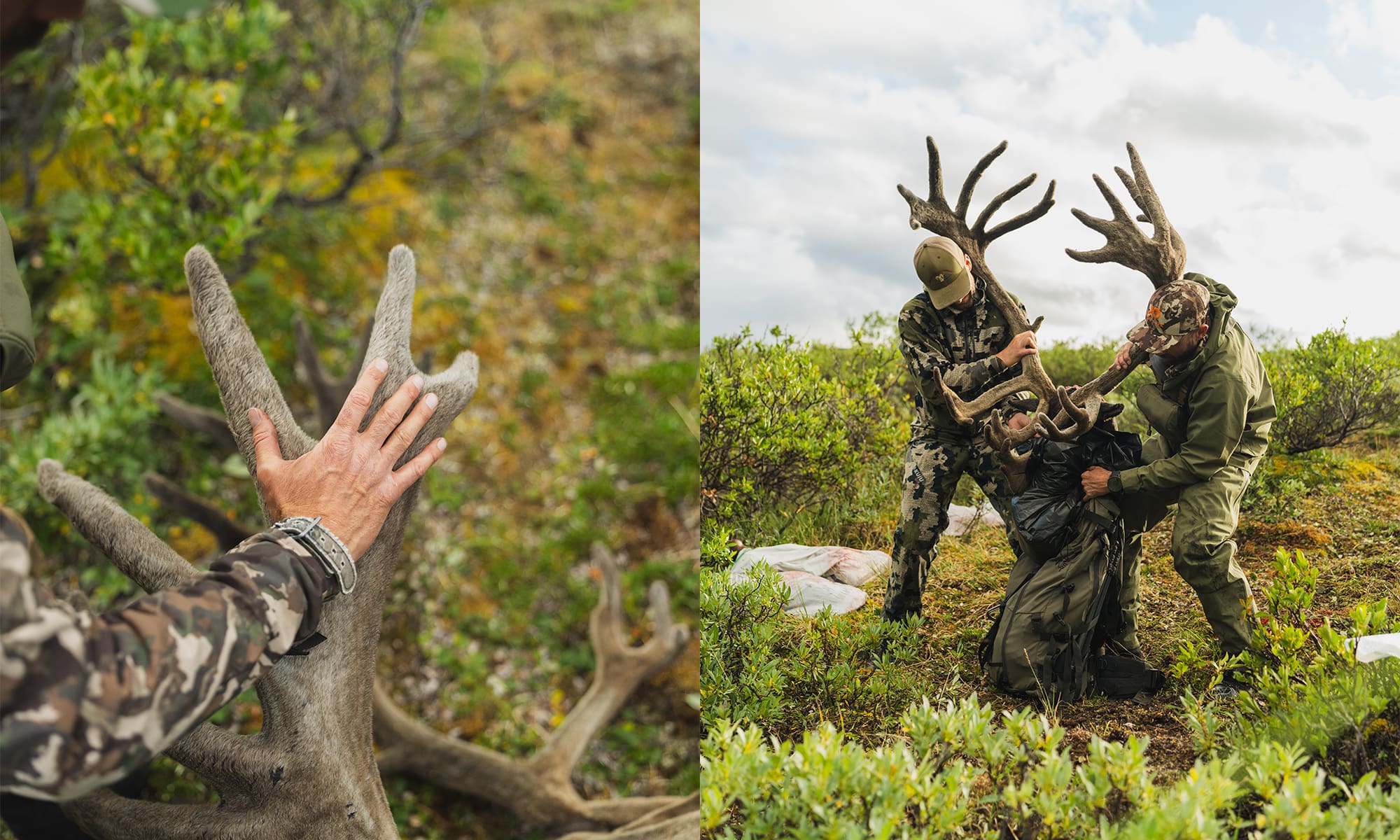
I could not believe it worked out. I was millimeters away from completely sabotaging the hunt, and that rollercoaster of the unknown involved some of the highest highs and lowest lows I have experienced while hunting.
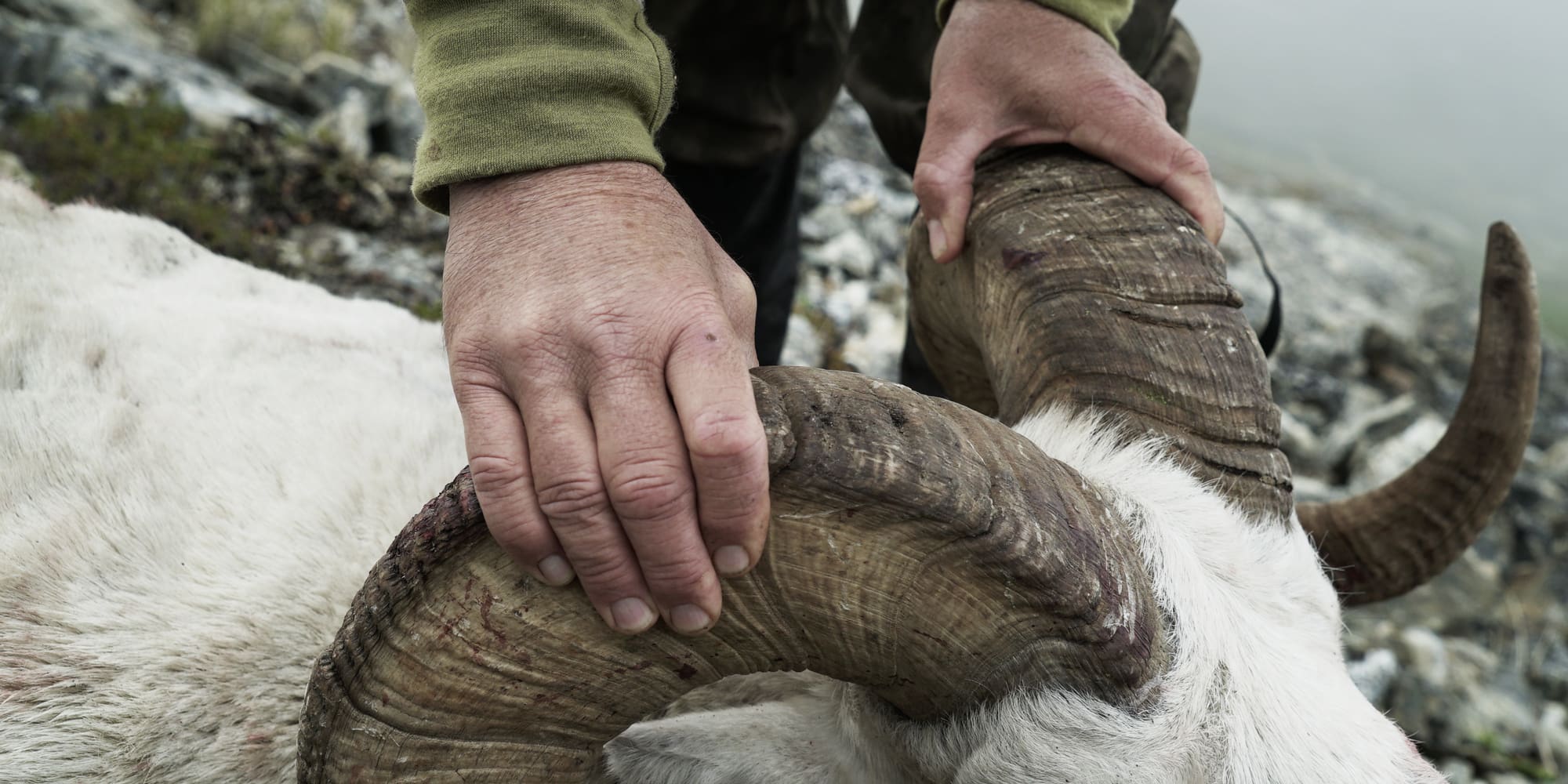
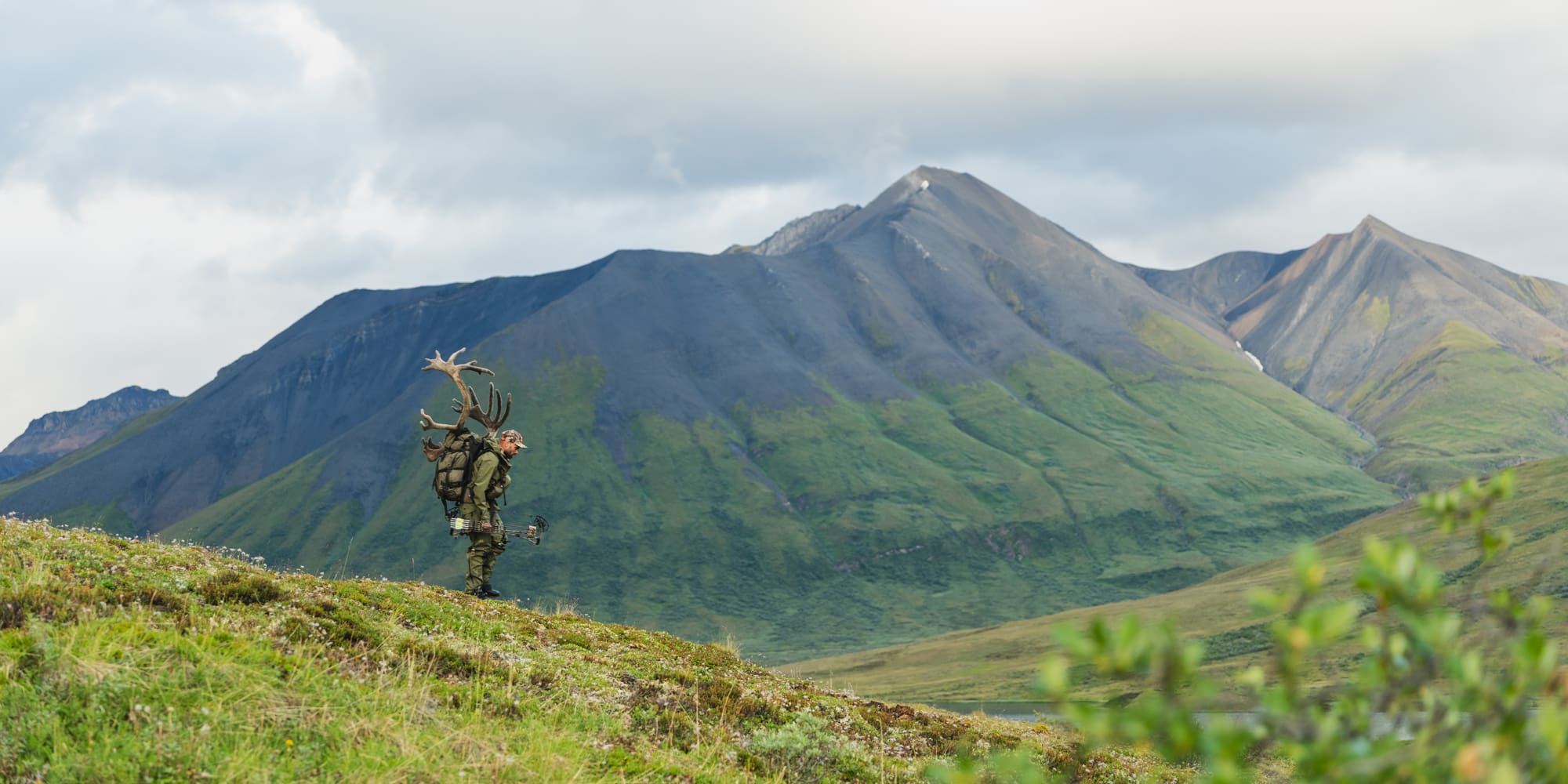
As I walked up on the bull, we all looked at each other in near disbelief that all the circumstances worked out so well. I bent down and put my hands on the large bull. It was everything I would have wanted from the hunt: an incredible adventure, stunning country, and a giant velvet-clad bull taken with my bow.
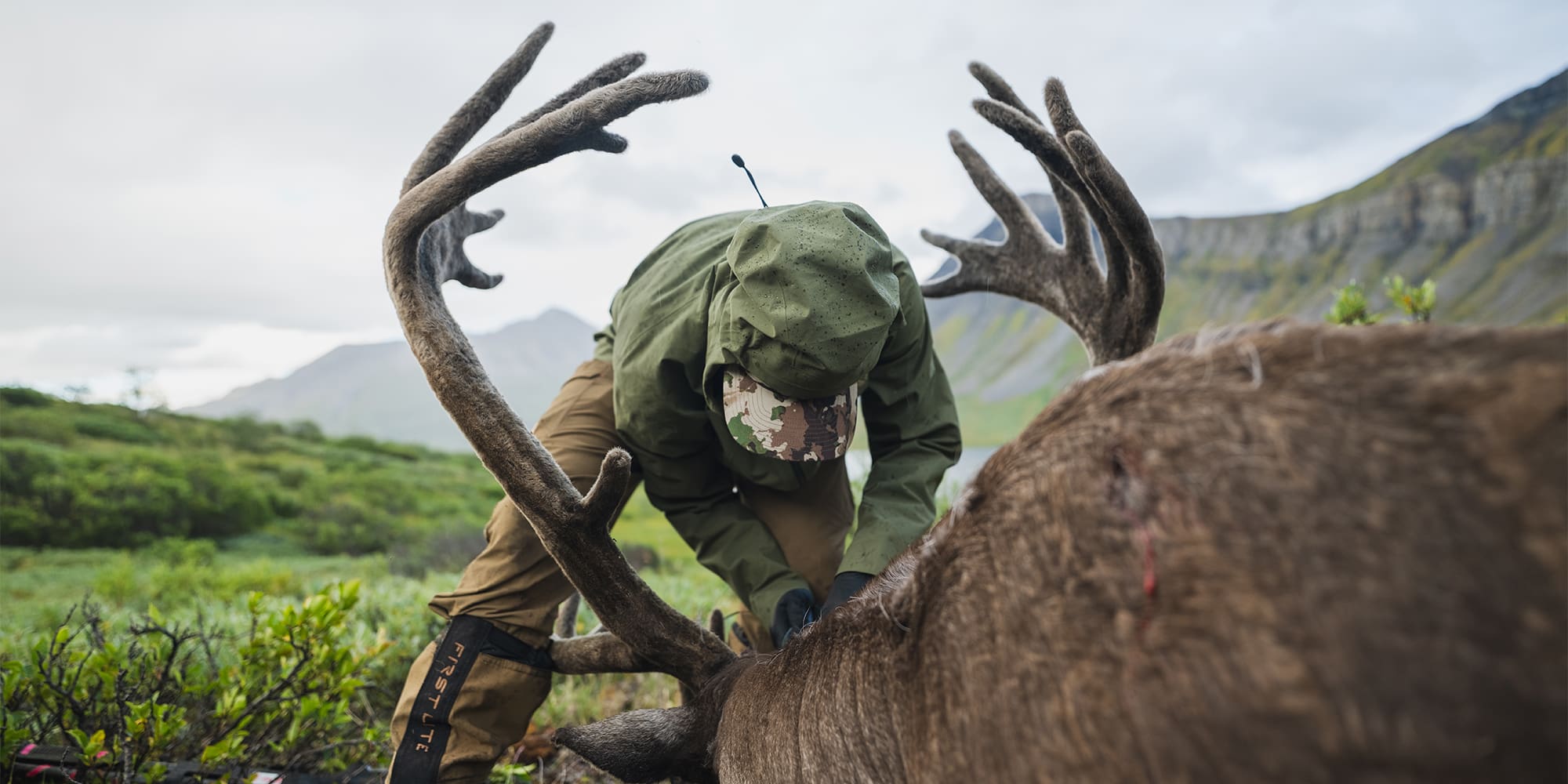
Things could have gone a lot worse, and I was thankful that it had all worked out. I said a prayer of thanks for the day and the life of the bull. A rainbow appeared over the lake behind us as we broke the bull down. The setting could not have been more perfect, nor the ending more poignant to the hunt of a lifetime for me.